Adams Mission’s wetland safeguards rare frogs
The wetland is characterised by a coastal wetland and swamp forest, which make it a perfect home for the two frog species.
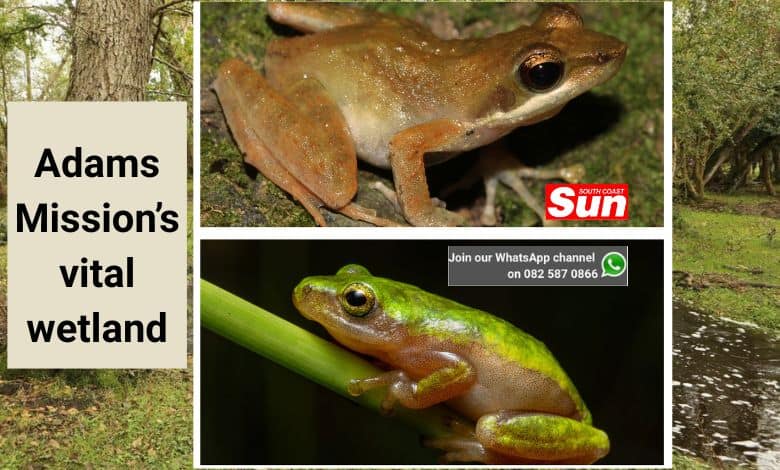
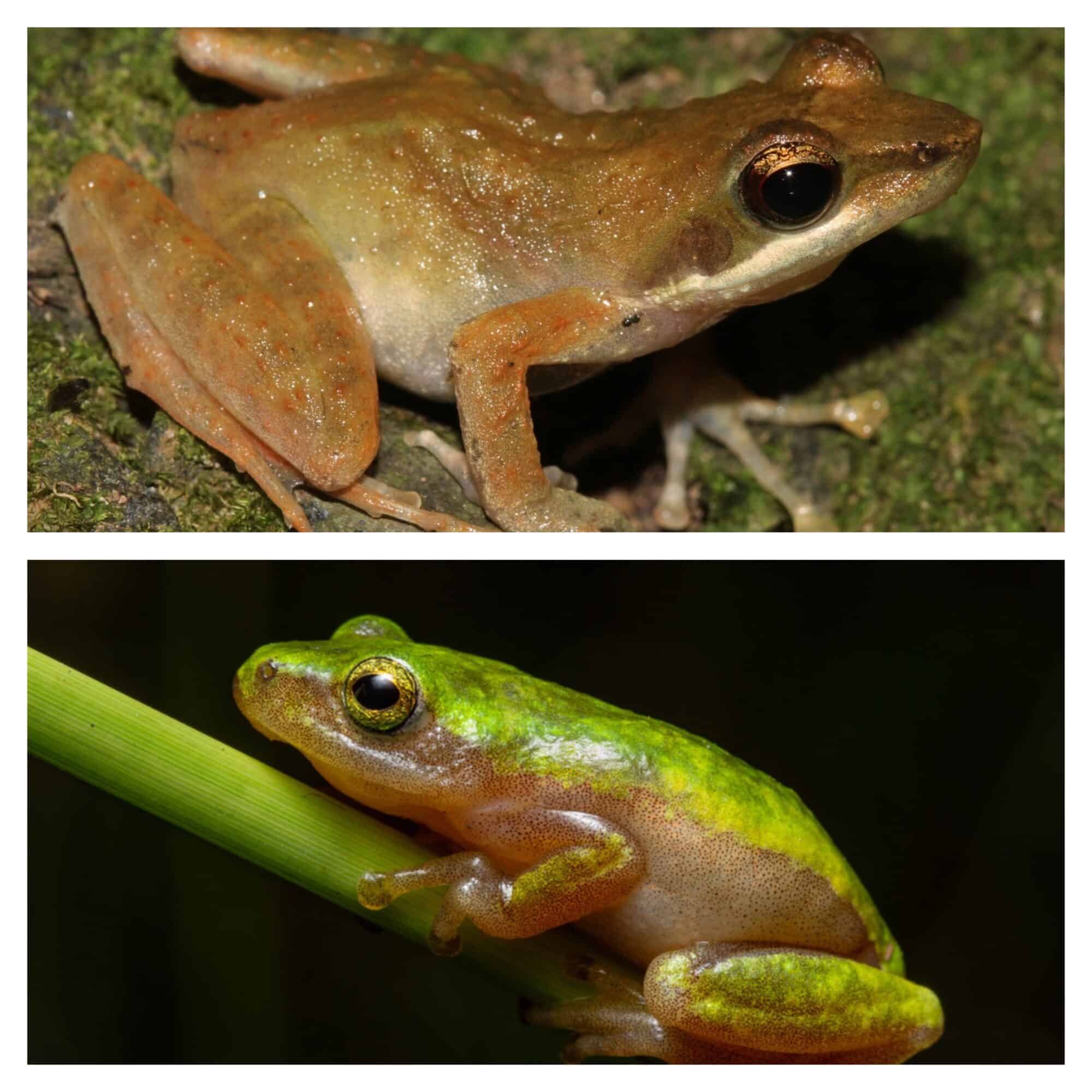
HOW many people know that Adams Mission is home to one of South Africa’s most important wetland systems which is home to two endangered frog species found nowhere else in the world but KwaZulu-Natal?
Also read: Start your day by eating a live frog
The Pickersgill’s reed frog (Hyperolius pickersgilli) and the Kloof frog, also known as the Natal diving frog (Natalobatrachus bonebergi), thrive in the 400-hectare wetland in the upper reaches of the Amanzimtoti River and two other river systems.
It is characterised by coastal wetlands and swamp forests, which make it a perfect home for the two frog species. Beyond its rich biodiversity, the wetland supports over 90 000 residents, many of whom live on or near its edges.
Nonkazimlo Mafa, the Urban Ecology Project manager for the Endangered Wildlife Trust’s (EWT) Threatened Endemics Programme, said the wetlands are important.
“They are often called the Earth’s kidneys because of their ability to filter pollutants from water. But here in Adams Mission, they are also a sanctuary for two amphibians that could disappear if we don’t protect their habitat,” said Mafa.
Since 2015, the EWT has been working to rehabilitate and manage this wetland, with the long-term goal of securing it through the Biodiversity Stewardship Programme. Key interventions include removing invasive alien plants, addressing waste dumping, and conducting detailed ecological monitoring.
Community involvement has been central to these efforts. Local biodiversity officers, trained and employed by the EWT, help assess wetland health using a mobile app, while environmental consultants carry out detailed habitat assessments. This two-pronged monitoring approach provides the baseline data needed to track habitat changes, evaluate rehabilitation work, and support ongoing protection of Pickersgill’s reed frog populations.
A 2025 report by Verdant Environmental found only a 0.8% deterioration in ecosystem health since 2022, with the wetland maintaining its Class C status, meaning it remains largely intact. However, increased housing development near its buffer zones poses a growing risk.
Also read: Rare sighting of grey crown cranes at Toti Civic gardens [Video]
“The small decline we’ve seen underscores why continuous environmental education and law enforcement are vital. Our work with the community is already making a difference, but we need to keep building awareness to ensure this wetland remains a safe home for both people and wildlife,” she said.
Waste is an ever-growing challenge at this site as municipal services are often lacking and residents end up dumping waste in or near the wetland habitat.
With its rare amphibians, rich biodiversity, and critical role in climate resilience, Adams Mission’s wetland is more than an environmental asset. It is a living reminder that conservation and community need to live in harmony.

Do you have more information pertaining to this story? Feel free to let us know by commenting on our Facebook page or you can contact our newsroom on 031 903 2341 and speak to a journalist.