
Poor Sardine Run coincides with confirmation of virus in pilchards
The pilchard herpesvirus was detected in both dead and, at lower levels, in some apparently healthy sardines after a massive sardine die-off.
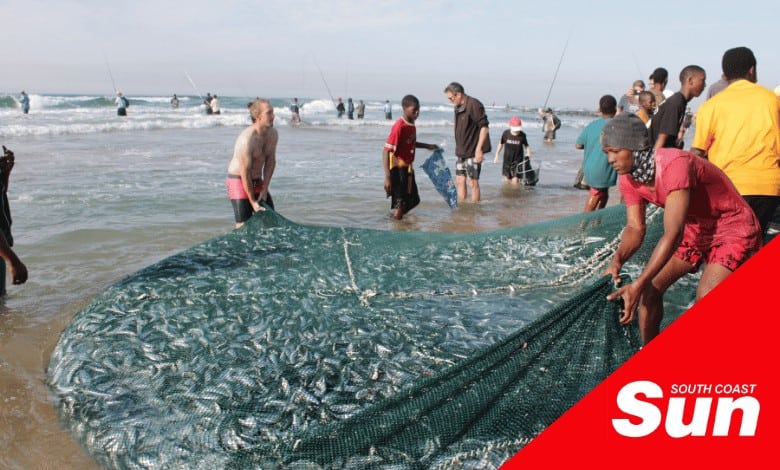
THE much-anticipated sardine run failed to materialise in Amanzimtoti and surrounding coastal areas this season, coinciding with the Department of Forestry, Fisheries and the Environment (DFFE) confirming that sampled sardines tested positive for pilchard herpesvirus (PHV).
Also read: Sardine run hits Umgababa
The sardines that make the annual run in massive shoals along the eastern seaboard in winter start their journey in the cold Agulhas waters in the Cape. This year, the sardine run made it as far as Illovo Beach in late July.
According to Professor Peter Teske, who published a landmark study on the sardine run in 2021, the water temperature needs to fall below 21°C for the fish to make the northward journey. In July, the southern KwaZulu-Natal water temperature was not stable, alternating between 21°C and 22°C.
DFFE spokesperson, Zolile Nqayi, said PHV was detected in both dead and, at lower levels, in some apparently healthy sardines after a massive sardine die-off in the Western Cape.
“Scientists are therefore also investigating whether an environmental stressor, such as harmful algae, low oxygen or unusual oceanographic conditions, may have triggered or intensified the event. This remains a hypothesis requiring further evidence,” said Nqayi.
Also read: Sardine run quietens down … for now
He added that a task team comprising the department, the fishing industry and other relevant stakeholders will be established to urgently formulate a high-level co-ordinated response plan for PHV-associated sardine mortality in South African waters.
DFFE has expanded the disease’s surveillance along the entire coast of SA, with the department’s routine October/November hydroacoustic biomass survey being the first opportunity to assess the possible effect on the sardine population. The department added that the PHV finding does not indicate that healthy sardines caught commercially or canned products are unsafe, and does not currently justify a general suspension of fishing or canning.
Sardine mortality
• PHV is a viral pathogen linked to mass mortality events in sardines.
• The virus has not previously been reported in South African sardines.
• There is no evidence that the virus can infect humans or other animals.
• Sardines caught dead should not be consumed by humans or pets.
For more South Coast Sun news, follow us on Facebook, Twitter and Instagram. You can also check out our videos on our YouTube channel or follow us on TikTok.
Subscribe to our free weekly newsletter and get news delivered straight to your inbox.

Do you have more information pertaining to this story? Feel free to let us know by commenting on our Facebook page or you can contact our newsroom on 031 903 2341 and speak to a journalist.