

WATCH: Spreading awareness and educating the public on mental health disorders
On July 12 the Johannesburg District for Mental Health Services held an Awareness Campaign for Mental Health at the United Cerebral Palsy Association of South Africa in Townsview.
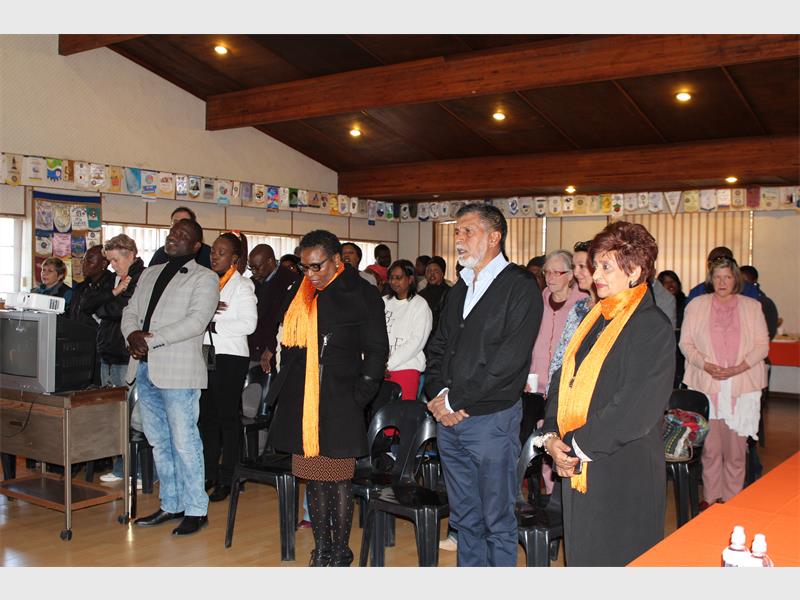
JULY is Mental Health Awareness Month and the Johannesburg District of Mental Health’s focus lie in educating people from all walks of life about mental health.
On July 12 the Johannesburg District for Mental Health Services held an Awareness Campaign for Mental Health at the United Cerebral Palsy Association of South Africa in Townsview.
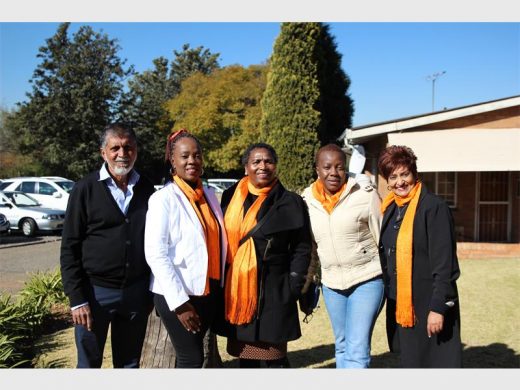
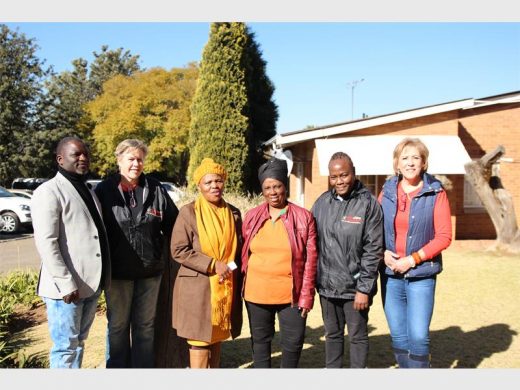
Aruna Ramanlal, assistant director for Mental Health South Africa, Professor Yusuf Moosa, clinical head of the Johannesburg District, Zukie Mvinjeliva, Sarah Mnguni, and Buyi Ndluvo represented the Johannesburg District of Mental Health.
Their four core areas of focus were:
• Promotion of mental well-being
• Prevention of mental illnesses
• Early identification and treatment
• Rehabilitation and reintegration
The morning was opened by MC Solly Khuthama, who said: “We need to stand together and make a difference where we are, one step at a time.” Following the South African national anthem, Zukiswa Mvinjelwa opened the proceedings with a prayer.
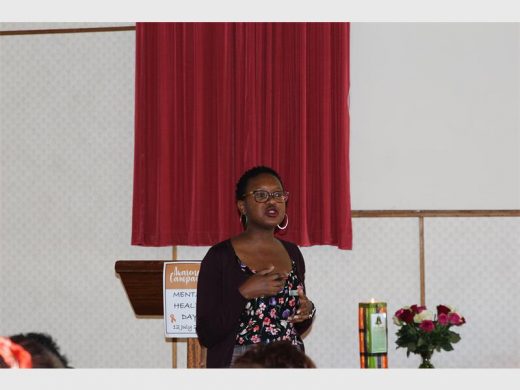
Busisiwe Twala, a representative from The South African Depression and Anxiety Group (SADAG), spoke about the services they offer to those who struggle with mental health problems. She shared grim facts about the dire situation of mental health in South Africa.
WATCH:
Some of these included:
• The youngest suicide had been six years old.
• Nearly one in four teens had attempted suicide that needed medical treatment.
• 9.5 percent of all teen deaths are due to suicide.
• One in four teens had felt sad and hopeless.
• One in four university students had been diagnosed with depression.
• Over 17 percent of teens have considered suicide.
Examples of other health conditions include:
• Anxiety disorders
• Bipolar mood disorders
• Schizophrenia
• Dementia
• ADHD
• Autism
• Personality disorders (borderline, dissociative, associative)
• Substance abuse addiction
• Post-traumatic stress disorder
Mental illnesses often go untreated because:
• patients do not see the symptoms in themselves,
• they do not know enough about the illness,
• they feel guilty about the symptoms,
• they want to avoid the stigma,
• they view themselves as weak or failing,
• they have no support system,
• the lack the finances to access specialists,
• misdiagnoses happen, and
• patients fail to take their medication or comply with therapeutic interventions.
Raising awareness and sharing experiences
Moosa spoke on the importance of raising awareness so that those who find themselves in a situation where they struggle with mental health disorders know where to turn to, regardless of where they live or their financial situation.
SADAG and other NGOs run support groups within communities.
SADAG has over 19 telephonic lifelines and their call centres are open 24 hours a day, seven days a week.
Theresia Ralintja from Ratanang shared her experience as a mother with a child who suffers from a mental health disorder.
WATCH:
Her journey has been difficult, but she has found much help in support groups and institutions like SADAG.
“There’s always hope if you fight,” she added.
Thobile Sibisi from Sunshine and Elizabeth Borephe from Kopanang shared their experiences as caregivers.
They spoke about the difficulties in not only dealing with the patients but also with the parents.
Parents often do not understand why their children are sick and are often incapable to care for a child who will remain sick for the rest of their lives, and who will need much more care than a child who is born free of disabilities.
Many mothers are abandoned by their husbands or partners who are unwilling to walk the journey with them, or to be of any support. Caregivers educate mothers and give them physical and emotional support.
For them, this is not a task they take lightly and find that they themselves are in need of their own support. It is undoubtedly an incredibly difficult task to take on.
Shannon O’Keefe spoke from an NGO manager’s point of view, highlighting the general difficulties that NGOs face in their daily dealings with those who suffer from mental health disorders, their families and care workers.
The meeting was ended with a word of thanks from Ramanlal and special thanks were given to the Johannesburg district NGOs who provided refreshments.
WATCH: