

Society for the Blind advocates for the rights of the elderly
The Johannesburg Society for the Blind, in collaboration with the Gauteng Department of Social Development, has worked for many years to ensure that the city's elderly are well-cared for.
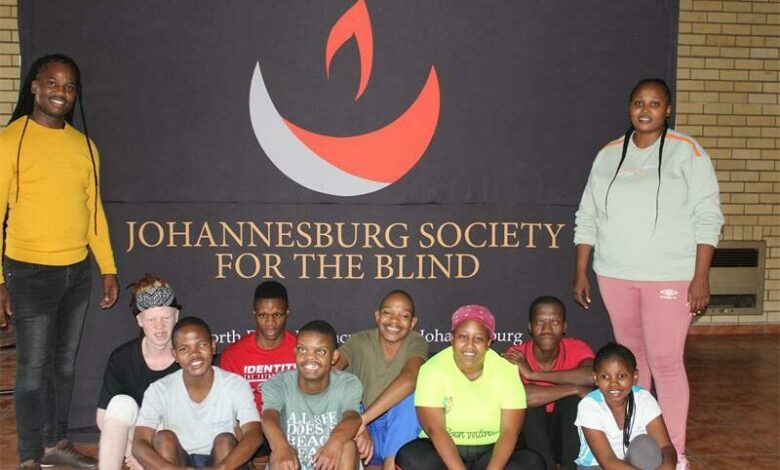
Even after Human Rights Month has passed, the Johannesburg Society for the Blind (JSB) plans to continue advocating for the rights of the elderly as part of their mandate.
JSB, in collaboration with the Gauteng Department of Social Development, has worked for many years to ensure that the city’s elderly are well-cared for, and as an organisation, their responsibility is to have outreach programmes that raise awareness and prevent elder abuse.
Chief operations officer of the JSB Nkosana Kubheka said the abuse of elderly people happens in their own homes, or while living with family and in facilities responsible for their wellbeing.
“Elderly people serve as the foundation of our communities. It is critical to recognise them and the contributions they make to our society. We must care for them and ensure they are safe and well-cared for during their golden years,” Kubheka.
“We must speak up when we suspect that an elderly person is being financially exploited, neglected, or harmed by their caregiver. Our constitution protects the rights of everyone, especially the vulnerable. This includes older adults. In South Africa, 8.1% of the population is older than 60 years. All of us deserve to be respected, to feel dignified and safe where we live,” said Kubheka.
Find out how to spot the warning signs, know the risk factors, and how you can prevent and report instances of abuse.
What is elder abuse?
Elder abuse is the neglect or mistreatment of an older person, who can’t or doesn’t have the means to fend for themselves. This kind of mistreatment can take place in a person’s private home or an old age home.
There are various forms of abuse and mistreatment, ranging from:
• Physical abuse
• Sexual abuse
• Emotional abuse
• Financial exploitation
Intentionally or unintentionally neglecting to care for an elderly person is also abuse.
Taking and withholding a pensioner’s South African Social Security Agency (Sassa) card without their consent is illegal. Loan sharks are known to take the cards and give pensioners loans with high-interest rates impossible to repay. Some companies prey on the elderly by illegally deducting money from their pension.
You can report any suspected fraudulent activities regarding pensions or grants on Sassa’s toll-free number 0800 60 10 11 or 0800 701 701. The act of forcing or convincing an elderly person to change their will or to persuade them to give the power of attorney is also financial abuse.
What are the signs of elder abuse?
Signs of abuse may vary from physical, such as bruises, scratches, and cuts to malnutrition, lack of medical care, and behavioural, such as withdrawal, fear, and anxiety.
An important indication of abuse is based on what an older person says. Claims of abuse or mistreatment should be reported and investigated.
Elder self-neglect
A common form of elder abuse encountered by caregivers of older persons is self-neglect. When the person experiences physical or mental impairment or diminished capacity, they may no longer be able to care for themselves.
Signs to look out for are:
• A lack of personal hygiene or cleanliness
• Dehydration
• Malnutrition
• Being underweight
• Living in dirty conditions
• Unable to pay bills or manage medications.
Self-neglect may be a sign of depression, Alzheimer’s, dementia, grief, or any other health issue. They may refuse to seek help due to denial, worried about losing their independence and feel ashamed for needing outside help.
Seven ways you can make a difference in the lives of older people
1. Visit or call your elderly loved ones and invite them to family gatherings and other special occasions.
2. Older people have valuable skills and knowledge. Find out what talents and skills your older family members, friends, and community members have that they can share with you, your family, or the community. Examples of skills are knitting, baking, cooking, gardening, and sewing.
3. If you know of an elderly person who has a family member or a professional person serving as a caregiver, support this person by helping and making sure they get a break.
4. Contact your non-governmental organisations that support the elderly and offer your support through donations, fundraising, or volunteering.
5. Volunteer your time and service to old-aged homes or a housebound elderly person.
6. Talk about elder abuse to your friends and family to create awareness so that we can bust the myths and stigmas about this kind of exploitation of the vulnerable.
7. Offer to take them to do shopping or run errands. If the person has problems with mobility, you can offer to do it for them.
What can I do to stop elder abuse?
Elder abuse is a crime in South Africa. The Department of Social Development works closely with NGOs to prevent elder abuse. If you suspect elder abuse, contact the Social Development office at 011 355 7600.