

WATCH: Child protection specialist takes the stand in Amber sentencing proceedings
The Specialist’s evidence focused on child abuse, the impact of the offences and the role of a caregiver, while Judge questioned the relevance of evidence based on cases Lamprecht had not personally investigated.
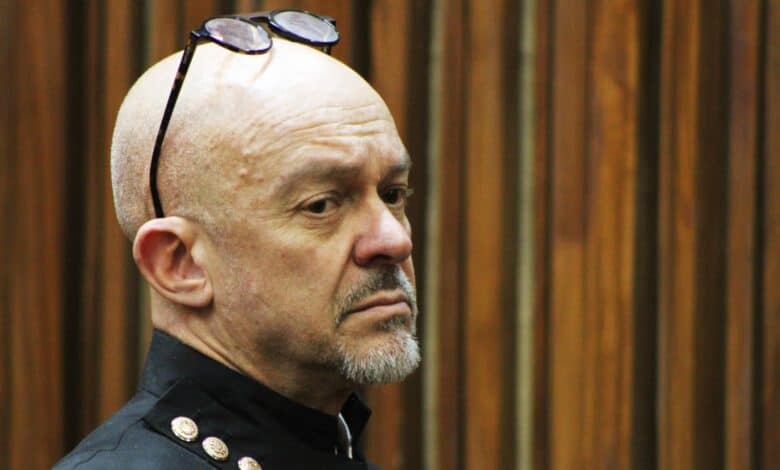
The sentencing proceedings against convicted child murderer and rapist Amber Lee Hughes continued at the Johannesburg High Court on Thursday, September 17, with child protection and development specialist Luke Lamprecht taking the stand as the State’s second witness.
The proceedings follow Wednesday’s court session, during which Hughes’ father, Howard Hughes, was asked to leave the courtroom after Elie Challita complained about facial gestures while he was giving evidence.
Nada-Jane’s grandmother, Donna Johnston, mother, Amy Johnston, and father, Elie Challita, are present in court on Thursday.
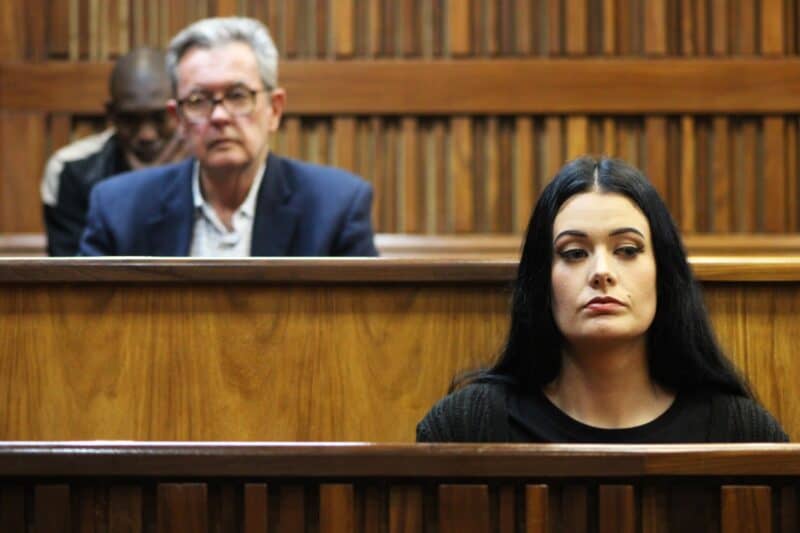
Amber Lee Hughes is also in court with her father, Howard Hughes, who is seated behind her in the public gallery.
Judge questions relevance of evidence
State advocate Rolene Barnard led Lamprecht through his qualifications, experience and the report he prepared for the sentencing proceedings.
Lamprecht told the court he has 33 years of experience in child protection and development and has worked extensively with abused children and their families.
He said Barnard asked him to compile a report for the High Court for sentencing purposes.
Lamprecht said he considered psychological reports, attended parts of the trial, received information from colleagues at Women and Men Against Child Abuse and followed media coverage of the case.
However, Judge Richard Mkhabela questioned the relevance of some of Lamprecht’s evidence after the witness confirmed he had not interviewed Nada-Jane’s family or any of the parties involved in the case.
Lamprecht said he deliberately avoided speaking to the parties to keep his opinion objective.
The judge questioned how Lamprecht could testify about the impact of the offences on the deceased’s family when he had not interviewed them.
The State argued that his evidence was based on his research and professional experience involving families affected by child abuse and the deaths of children.
Judge Mkhabela also cautioned that Lamprecht needed to focus his evidence on the specific case rather than generalising about child abuse.
Filicide and caregiver role discussed
Lamprecht explained the term filicide, which refers to the killing of one’s own child by a parent or stepparent.
His report considered the role of caregivers and the impact of abuse when the person responsible is someone a child is expected to trust and rely on for safety.
Lamprecht said the power involved in child abuse often resides in secrecy, leaving children to carry the burden of what happened while being harmed by someone who is supposed to care for them.
He also discussed the role of a mother or other caregiver in protecting a child from harm.
Drowning evidence challenged
Lamprecht addressed Nada-Jane’s drowning and said drowning is not an instantaneous death, with a child unable to breathe expected to fight to survive.
The defence objected to this evidence, arguing that whether drowning results in an immediate loss of consciousness was a medical issue and that Lamprecht was not a medical doctor.
Barnard responded that Hughes herself had testified that Nada-Jane did not drown instantly, that the child struggled and that she had to keep the child’s head under the water.
Judge Mkhabela noted that this evidence was already on record.
Lamprecht was also asked about evidence that Nada-Jane had wanted to take her doll to the bath.
He explained that play is an important part of childhood development and that children often use play to model caring and nurturing behaviour.
Sexual abuse evidence
Lamprecht also discussed the sexual offence for which Hughes was convicted, including the anatomy of young children and the potential physical consequences of vaginal penetration.
He told the court he had lectured medical professionals on child sexual abuse, vaginal and anal anatomy, and the effects of inflicted head injuries.
Lamprecht said the combination of the offences in this case was extremely rare based on his experience and research.
His report also considered the offences from the perspective of the deceased child and the role of the caregiver.
Defence challenges scope of evidence
Hughes’ defence attorney, Marius Bouwer, challenged aspects of Lamprecht’s evidence, including his comments about drowning and his lack of contact with the deceased’s family.
The State maintained that Lamprecht’s extensive experience and research in child protection allowed him to provide evidence relevant to sentencing.
During the reading of his report, Lamprecht repeatedly referred to the conviction as premeditated murder and rape.
Judge Mkhabela corrected him, stating that Hughes was convicted of planned murder and rape.
Lamprecht apologised when he used the previous wording while reading from the report.
The sentencing proceedings are still under way at the Johannesburg High Court, with Lamprecht continuing to give evidence.
WATCH: Amber Lee Hughes’ father asked to leave courtroom during sentencing proceedings