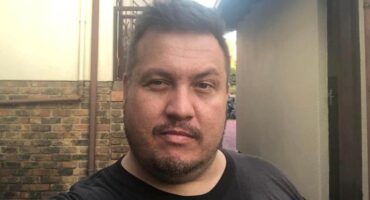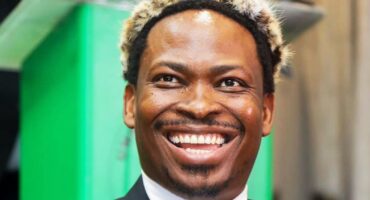

Ntsiki Mazwai pledges to clean up Johannesburg and fix service delivery
The Land Party mayoral candidate proposes budget reforms, subsidised utilities for low-income households, affordable housing and stronger performance tracking to address the city’s service delivery and management challenges.

1. Johannesburg is South Africa’s economic centre but faces serious challenges involving infrastructure, electricity, water, roads and waste. What would be your top three priorities for restoring basic services?
The politicians and officials we chose to serve us have left nothing but a mess, and it needs a clean-up of a monstrous size.
Because workers of the City of Johannesburg have lost confidence in their leaders, it has led to a poor work culture that leaves much to be desired. I will be bringing fresh energy into the city, new ways of doing things and transparent leadership.
The people on the ground have complained about poor basic service delivery, which is obviously where I need to start. The Land Party aims to lower rates for all and provide free water and electricity to indigent and low-income households.
After studying the budget extensively, we have identified areas of the budget that need to be deprioritised. We need to stop leakages and irregular cash flows and direct the city’s funds back to the people (instead of into officials’ pockets that service slay queens).
Johannesburg is not broke; it is badly managed.
• Clean up Johannesburg, from the ground right up to the finances. We will get the city looking clean and add more bins and measures to keep it clean. We aim to plant more trees to create a green Johannesburg.
Cleaning up means fixing all lights and potholes and ensuring traffic lights are working properly. We will eradicate illegal dumping zones and enforce new littering fines. It shall be the responsibility of Johannesburg’s citizens to ensure that we collectively maintain a clean Johannesburg. Community street-cleaning teams will be incentivised and given stipends.
An audit of the energy systems will identify illegal connections, and we will invest in microgrids to make troubleshooting easier for the city and its residents. We will introduce a R50 flat rate for indigent households that will cover their water and electricity.
We will expand access to affordable metering systems that combat the incorrect billing problem the city is currently facing.
• Economic Indaba – I will have a week-long engagement with the best financial minds in the city to audit the budget and help reprioritise it. We will do a deep dive into the current budget and see where we can minimise losses and irregularities, where we can improve revenue collection, and which business partnerships will work to serve the city better.
We will develop more transparent systems for the Finance Department so that the public can access the financial position of the city at any given point. We will also have systems that protect capital and maintenance budgets to ensure that our infrastructure lasts longer.
•SMME/entrepreneurship/creative focus – One of the critical issues affecting Johannesburg is the high unemployment rate. We will invest in small businesses and provide interest-free loans to help them set up shop. New businesses will also not pay rates for the first two years, as we recognise the costs of starting a business.
This process will be closely monitored by the city, and we will have teams and officials to whom the businesses will report quarterly. The aim is for the city to provide an environment that fosters new business development, as that is how jobs will be created and the tax base will increase. This will result in more taxes being reinvested into the city’s infrastructure.
Joburg is also a creative hub, and there is much to explore in developing the creative sector, which also creates jobs. The old buildings in town can be recreated as artists’ hubs. Artists attract people. People bring money. Money circulates, and the economy expands.
2. Johannesburg has a large number of candidates contesting ward seats in the 2026 elections. How will you ensure your ward councillors remain accessible to residents, understand the issues in their communities and are held accountable for addressing local service-delivery problems?
As the mayor of Johannesburg, I will meet regularly with the regional leaders to get updates and productivity reports.
Each ward councillor will be expected to send monthly reports to regional leaders on what they have achieved that month. Twice a year, I will meet with regional leaders for a thorough breakdown of issues and issues resolved in their regions.
We will also be introducing new systems in which wards that can afford to do so will invest in low-income wards. This could involve clean-up sessions or family fun days, but we will begin to have inter-ward activities within the regions to foster a system of good neighbourliness.
We will also introduce a service-delivery tracker where residents can see the municipality’s activities and track their queries.
Performance management – Like City Power query reports, reports should come out every Friday, showing how many query tickets have been opened and closed.
City employees have KPIs, and they can report weekly on their progress towards achieving their annual KPIs.
3. What is your plan to address the city’s electricity and water infrastructure backlogs?
To address illegal electricity connections, we would begin with a technical audit of the electricity network, identify overloaded transformers and areas with illegal connections, and work with qualified municipal technicians to regularise connections wherever possible.
We would expand access to affordable, approved metering, ensure that qualifying indigent households receive their entitled assistance, and take lawful action against electricity theft and meter tampering. We would also engage communities to prevent dangerous connections and protect municipal infrastructure.
The same principle applies to revenue collection, wasteful expenditure and service delivery: audit the situation, identify the problem, establish clear targets, implement corrective measures and publish regular progress reports.
We are saying that these issues can be addressed through proper planning, transparent financial management, community participation and accountable leadership.
4. Johannesburg has significant informal settlements and rapidly growing demand for housing and municipal services. What is your strategy for managing this growth?
The Land Party frowns upon informal settlements, and we will be eradicating them. We will invest in low-income flats and high-rises where households will pay minimal flat rates for services. Alexandra is one of our key projects, where we will be rebuilding Alex block by block.
We will be working closely with good town planners to restructure and rebuild Johannesburg into a world-class city. Our aim is to make Johannesburg a top tourist destination so that we can attract investors. We will also work closely with artists to reimagine a new look for Johannesburg.
The current capital budget for human settlements is about R1.8 billion. We will find ways to stretch that budget and also involve the private sector in developing housing solutions for the working class.
5. How would you attract investment while addressing the deterioration of public infrastructure and services?
The City of Johannesburg has a management crisis and rampant corruption. Once we have cleaned it up and removed some of the bad apples, it will be a lucrative investment destination. Once we have addressed the work ethic and started delivering basic services, we will be able to reimagine a creative and robust Johannesburg with a 24/7 economy.
A cleaner Johannesburg also includes public safety. Private businesses want to invest in communities that are safe.
When we cover the basics, like lighting and camera systems, it creates a different Johannesburg. Also, once we address hunger and unemployment, we create a population of Johannesburg residents who are not desperate and have more dignity. We will focus on small-business development to curb the unemployment issues that make people vulnerable to crime.
With me as mayor, Joburgers can reimagine a cleaner Jozi with healthy people. I will be focusing on goodwill projects and outdoor activities to address the mental health of our people.
We have lots of creative programmes that we will put in place to directly target the inner well-being of our citizens. Citizens who are spiritually and mentally healthy will contribute to a greater Johannesburg. It all starts with the state of the people.
Caxton Local Media invited Johannesburg mayoral candidates, as confirmed at the time of publication, to participate in a question-and-answer interview, giving voters a chance to learn more about their plans, priorities, and hopes for the city ahead of the Local Government Elections on November 4.
The views expressed in these questionnaires are those of the respective candidates and do not represent the views of Caxton Local Media or any of its publications.
The answers are intended solely to provide voters with information about the candidates contesting the election and to help them make informed choices at the polls.