
WATCH: Gauteng leaders assess progress at Councillors’ Imbizo in Alberton
Leaders across Gauteng gathered in Alberton to review progress on the province’s municipal turnaround plan, focusing on innovation, accountability, and the shift toward smart, sustainable cities.
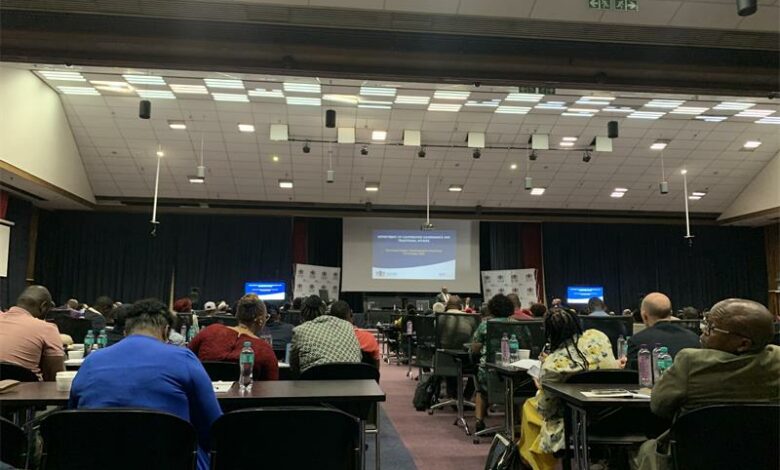
The Gauteng Provincial Government hosted a Councillors’ Imbizo at the Alberton Civic Centre on October 24 under the theme ‘Gauteng Local Government Turnaround for Smart Cities’.
The event brought together councillors, mayors, municipal managers, and senior officials from provincial and national departments to assess progress in strengthening local governance and service delivery.
The imbizo marked a follow-up to the 2024 Turnaround Summit held in Mogale City, where the government identified 13 key challenges facing municipalities across the province, known as the G13 challenges.
Official opening and welcome
The session was officially opened by City of Ekurhuleni (CoE) Executive Mayor Nkosindiphile Xhakaza, who welcomed delegates on behalf of the host city.
Gauteng Premier Panyaza Lesufi, Deputy Minister of Cooperative Governance and Traditional Affairs Dr Dickson Masemola, and MEC for Cooperative Governance and Traditional Affairs Jacob Mamabolo were among the key speakers who addressed the gathering.
Masemola calls for ideal municipalities
Masemola reflected on the outcomes of the National Local Government Indaba and highlighted the immediate priorities for municipalities.
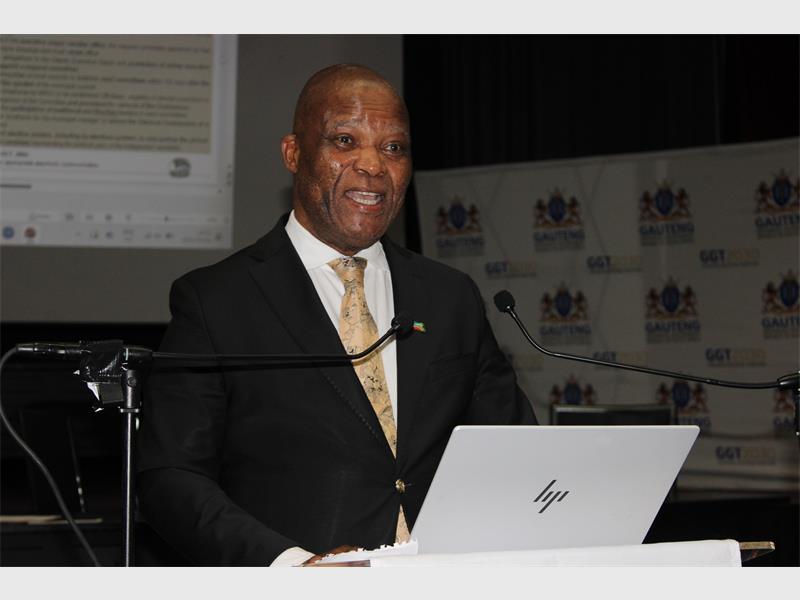
He emphasised the need to create capable, accountable, and community-centred municipalities that align with national and international development frameworks.
“As councillors and mayors in all 257 municipalities, we want to see ideal municipalities that characterise our local government sphere.
“The people of this country deserve to live in municipalities that are beyond any questionable doubt regarding their capacity and ability,” said Masemola.
He noted that the grading of municipalities and the welfare of councillors required a structured national framework.
The Department of Cooperative Governance, he said, was developing job profiles, benefit structures, and tools of trade to support councillors.
He added that the commission had proposed that the national fiscus take responsibility for councillor welfare across the country.
Strengthening oversight and accountability
Under the government work stream, Johannesburg MMC for Finance Dada Masuku discussed compliance, consequence management, and oversight.
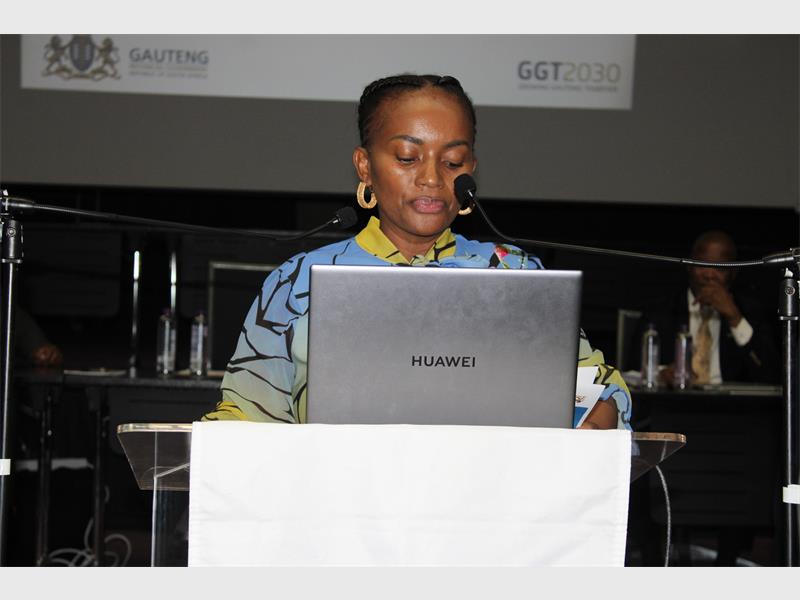
She said it was essential that municipal structures such as audit committees and Section 79 and 80 committees function effectively.
@albertonrecordStrengthening oversight and accountability Under the government work stream, Johannesburg MMC for Finance Dada Masuku discussed compliance, consequence management, and oversight. Full story on albertonrecord.co.za♬ original sound – Alberton Record
“Some cases can be dealt with internally without requiring forensic investigation, and the municipalities must follow those processes.
“Consequence management needs to become the language used in our municipalities,” said Masuku.
Progress on spatial planning and infrastructure
Anthony Moonsamy, chief director for the Gauteng Department of Local Government, provided an update on progress within the spatial planning and infrastructure work stream.
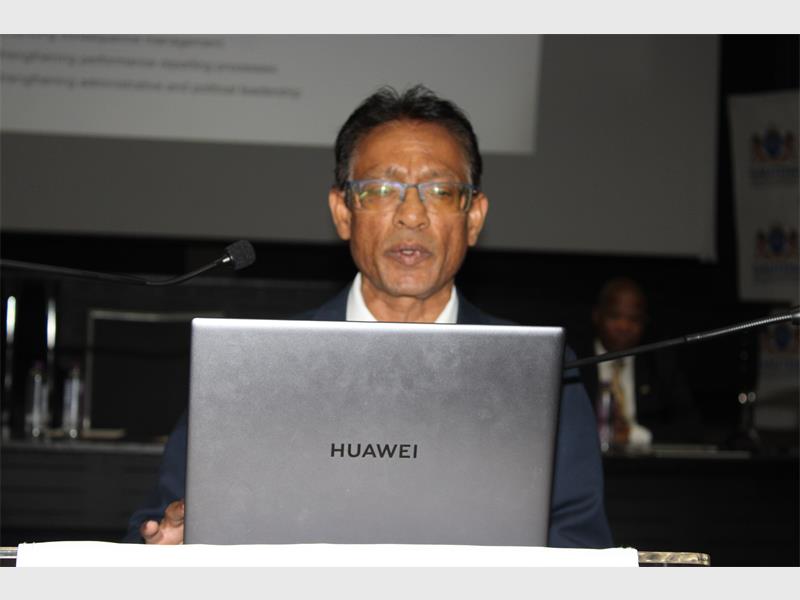
He said municipalities were being supported to finalise implementation plans focusing on cleaner environments, infrastructure maintenance, and the rehabilitation of neglected or hijacked buildings.
He also highlighted ongoing operations across municipalities that address urban beautification, bulk infrastructure maintenance, and land use compliance.
“The task ahead is to ensure that each municipality finalises its plans and that provincial departments continue to support implementation,” he said.
Advancing digital transformation
Delivering a presentation on the Municipal Digital Transformation Roadmap, Devante Maphari, deputy director-general for ICT at the Gauteng Department of e-Government, said digital transformation impacts all aspects of local governance.
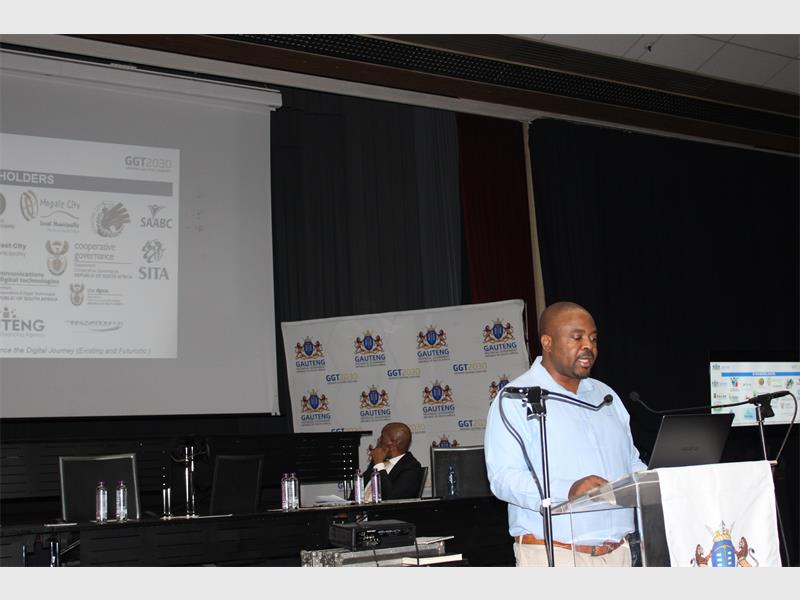
He explained that the roadmap is being implemented in three phases – enabling legislative compliance, practical implementation, and continuous improvement.
@albertonrecordAdvancing digital transformation Delivering a presentation on the Municipal Digital Transformation Roadmap, Devante Maphari, deputy director-general for ICT at the Gauteng Department of e-Government, said digital transformation impacts all aspects of local governance. Full story on albertonrecord.co.za♬ original sound – Alberton Record
Maphari said the goal is to align all ICT strategies with national and provincial digital transformation frameworks to ensure consistency and better service delivery.
Premier emphasises delivery and collaboration
Lesufi commended the collaboration between different spheres of government and called for measurable progress in implementing the turnaround strategy.
“We cannot afford to go back to communities with excuses. What communities want and deserve is delivery. This imbizo shows that we are moving beyond diagnosing problems to implementing real solutions that change lives,” said Lesufi.
Recognising excellence in local government
Mamabolo proposed that the next Councillors’ Imbizo include a Councillors’ Awards Ceremony to recognise municipalities with excellence in governance and service delivery.
@albertonrecordRecognising excellence in local government MEC Jacob Mamabolo proposed that the next Councillors’ Imbizo include a Councillors’ Awards Ceremony to recognise municipalities with excellence in governance and service delivery. Full story on albertonrecord.co.za
“Recognising good performance is not just symbolic; it is strategic. It reinforces accountability and inspires innovation,” said Mamabolo.
Commitment to smart, sustainable cities
The imbizo reaffirmed the province’s commitment to advancing the Local Government Turnaround Strategy as part of building smart, modern, and sustainable cities.
Over the next few months, the Gauteng Provincial Government will consolidate outcomes from all work streams into an integrated plan to guide resource allocation, track progress, and accelerate transformation across municipalities.