
WATCH: Don Mattera’s legacy honoured with special installation at The Apartheid Museum
The Apartheid Museum's unveiling of Don Mattera's Obituary Wall, strive to inspire ordinary South Africans to share their narrative through art and storytelling.
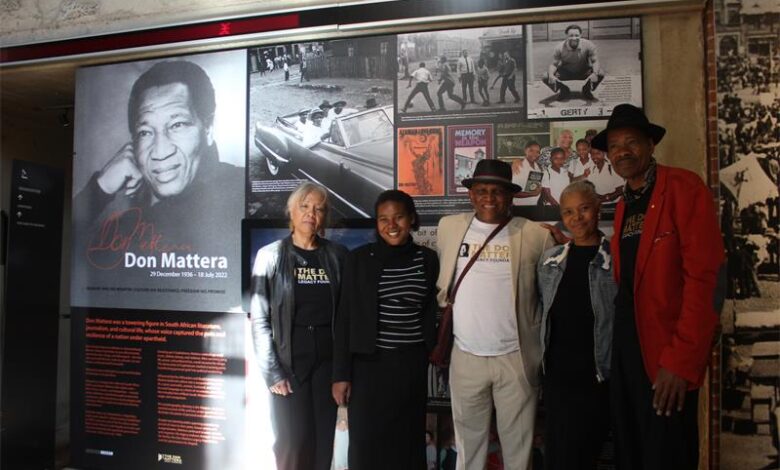
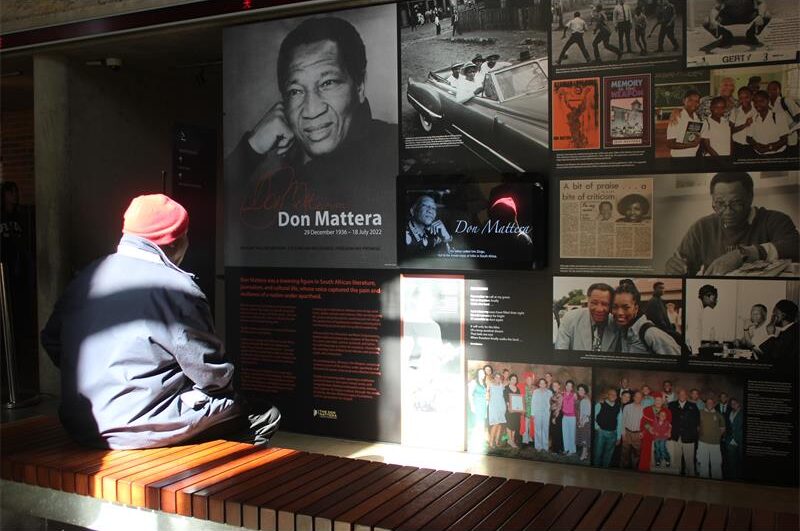
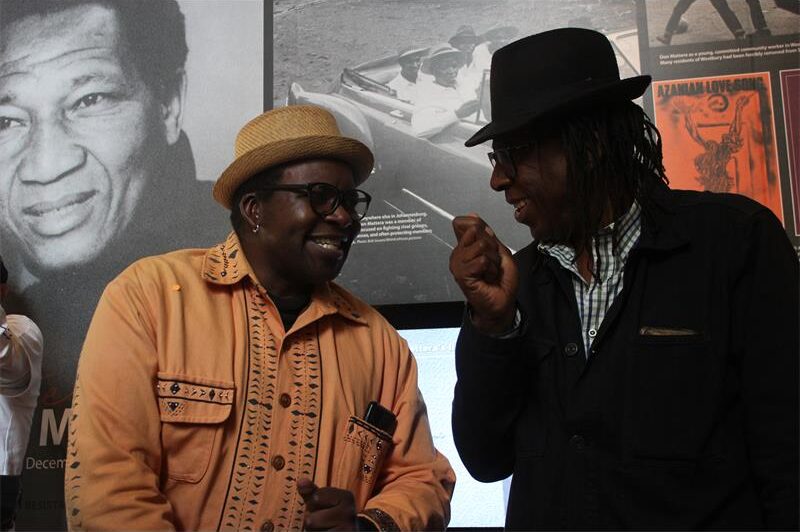
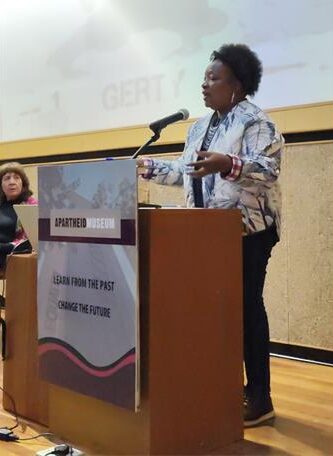
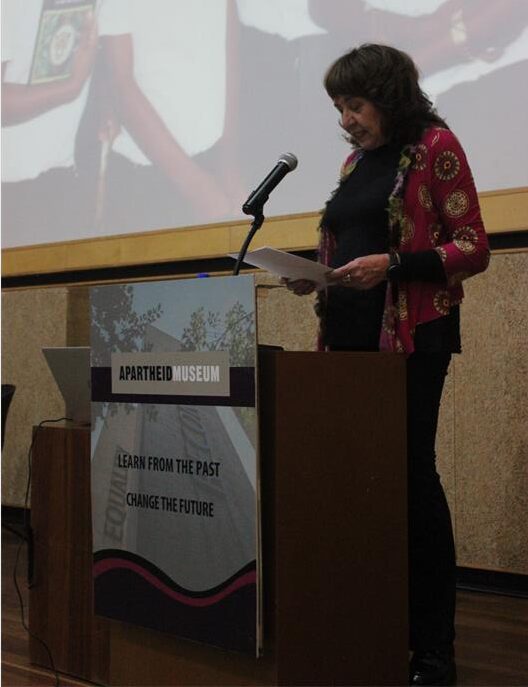
Family, friends, supporters and members of the Don Mattera Legacy Foundation gathered at the Apartheid Museum on Mandela Day for the unveiling of the Don Mattera Obituary Installation.
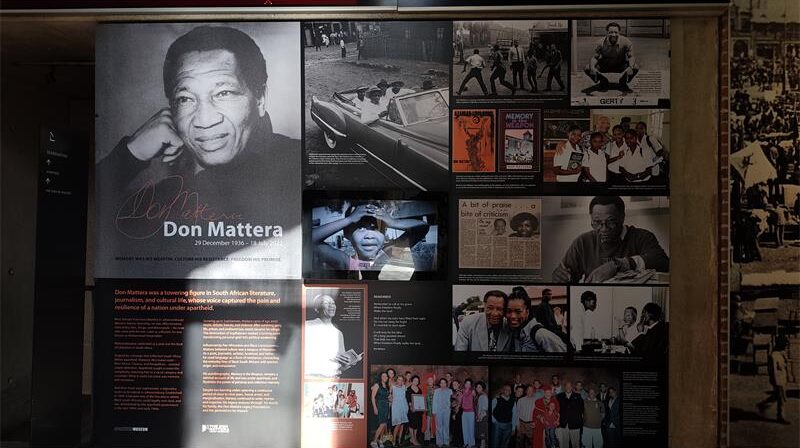
The installation, a partnership between the Apartheid Museum and the Don Mattera Legacy Foundation, honours the life and work of one of South Africa’s greatest literary and cultural figures.
It opened on the day that marked four years since Don Mattera’s passing on July 18, 2022, at the age of 85.
Remembered for his powerful words and lifelong commitment to justice, Mattera was celebrated as a poet, journalist, activist, husband, father, and the Bard of Liberation.
His life reflected the struggles and hopes of a nation shaped by apartheid, while his writing gave a voice to those whose stories were often ignored.
@southern.courier Don Mattera’s son, Dr Teddy Mattera. The Apartheid Museum’s unveiling of Don Mattera’s Obituary Wall, strive to inspire ordinary South Africans to share their narrative through art and storytelling. Full story on southerncourier.co.za
Born Donato Francisco Mattera in Johannesburg’s Western Native Township, he was affectionately known as Bra Don, Zinga, and Monnapula – the man who came with the rain.
Later in life, after embracing Islam, he was known as Muhammad Omaruddin.
Mattera’s heritage reflected the rich diversity of South Africa. With Afro-Italian roots linked to Khoi-Xhosa, Tswana, and Neapolitan ancestry, his identity represented the many histories that existed before apartheid.
The apartheid system attempted to divide people into racial categories, but it could not erase his memory, culture or his spirit of resistance.
Much of Mattera’s early life was shaped by Sophiatown, the famous Johannesburg suburb known for its music, creativity and multicultural community. Established in 1899, Sophiatown was one of the few places where black South Africans could legally own land before it was destroyed by the apartheid government in the late 1950s and early 1960s.
The forced removal and destruction of Sophiatown left a lasting impact on Mattera. After experiencing hardship, gang life, imprisonment, and personal loss, he turned to writing as a way to express pain, hope and resistance.
Mattera believed that culture was a powerful tool for freedom. Through his poetry, journalism, and activism, he documented the everyday experiences of black South Africans with honesty and compassion.
His autobiography, Memory is the Weapon, remains an important record of life under apartheid and the role of memory in the fight for dignity and freedom.
@southern.courier Family, friends, supporters and members of the Don Mattera Legacy Foundation gathered at the Apartheid Museum on Mandela Day for the unveiling of the Don Mattera Obituary Installation. Full story on southerncourier.co.za
Despite facing banning orders, house arrest, and years of marginalisation, Mattera continued to write, teach and inspire others. His influence continues through his family, the Don Mattera Legacy Foundation, and the many generations touched by his work.
The installation reflects the words that guided Mattera’s life: “Memory was his weapon. Culture his resistance. Freedom his promise.” It invites visitors to remember his contribution to South Africa’s history and to reflect on the importance of preserving stories of courage and resilience.
The Don Mattera Obituary Installation will remain on display at the Apartheid Museum until the end of 2027, ensuring that future generations can learn about the life and legacy of a man whose words helped shape the journey towards freedom.