
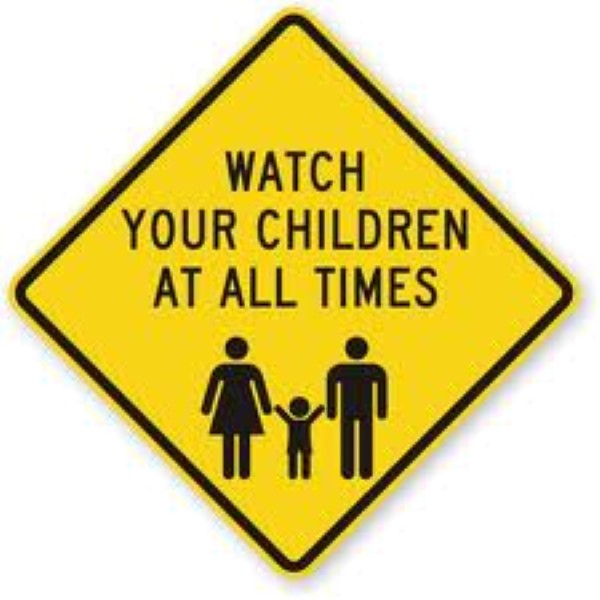
Safety guidelines for parents, guardians and caregivers.
* Ensure you have a current photo of your child. This will help the police track and trace your child, should they be abducted, lost at a public place or run away from home.
* Have a name list of your child’s friends, their contact details and their parents. These can assist the police should your child be abducted or run away from home.
* When leaving home, take note of your child’s clothing.
* Do not let your child visit public toilet facilities without adult supervision.
* Encourage your child not to talk to strangers or take free novelties from strangers.
* Do not let your child stray from you in a public place.
* Teach your child not to take lifts from strangers.
* Do not let your child cross a road or busy intersections without adult supervision.
* Train your child not to divulge personal information to strangers.
* Request a police officer to produce their appointment certificate when being requested to accompany them if their parents, caregivers or guardians are not with them. It is your right to do so.
* Do not let your child sleep over or attend a party with people you have not met before.
* Ensure the mode of transport being used by children conforms to the Road Traffic Act, such as the driver having a valid Public Driver’s Permit, driver’s license and the mode of transport is roadworthy. Teach children to not loiter outside school property after being dropped off. They must enter the premises immediately.
* Ensure parent, guardian or caregivers’ current information is updated on school records. The school and police often have difficulty tracing parents in cases of emergency, as cellphone numbers, work contact details as well as home and work addresses are outdated.
* Ensure that, if your children are consuming medication, especially scheduled medication that a letter accompanies the child to school, that the school is contacted. The medication is handed in to the front office. Children are not allowed to have any form of medication on their person or in school bags, or allowed to consume such without adult supervision on school premises. Pupils are not permitted to administer medication to each other on school premises.
* Do not avail alcohol to your children, it is a criminal offence to do so. Alcohol makes children vulnerable in becoming victims of sexual crimes by people known to them and strangers.
* Conduct random checks in school bags and cupboard for signs of possible drug use. Smell their uniform or clothes before washing them for signs of smoking. Watch for the symptoms which are possible indicators of drug use.
* Take note of the places they visit and the company they keep. Children often get involved in criminal activities to fit in with a group to be accepted.
Important contact numbers:
KZN Department Community Safety and Liaison, 033-341-9300; Life Line, 031-312-2323; Aids Help Line, 0800-012-322; Durban Child Line, 031-312-0904; Child Line, 0800-055-555; Durban Child Welfare, 031-312-9313; Bobbi Bear, 031-903-2424;Alcoholics Anonymous, 0861-435-722; SANCA (Substance Abuse), 031-325-4757;NICRO, 031-309-8333.
PHOTO CREDIT: Smartsign.com