
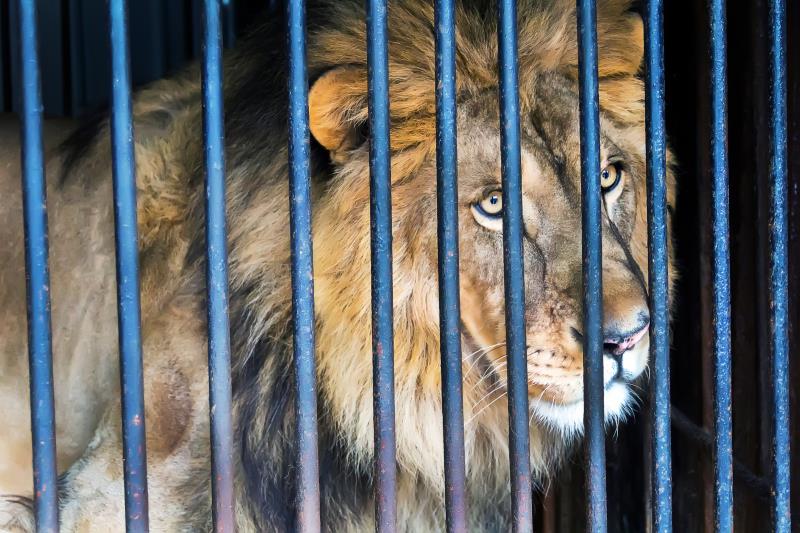
ETHICAL tourism is vital for the welfare of wildlife, warns the National Council of the Society for the Prevention of Cruelty to Animals (NSPCA).
While holding a lion cub or petting an elephant might be a incredible experience, considerations for the animal’s welfare need to be kept in mind.
Ethical tourism is essential to invest in future generations of animals, living in freedom and good health.
To help you make the right choice, read these myths which were debunked by the NSPCA:
1) Lionesses are not good mothers
FALSE
Lion breeders and captive lion facilities may mislead the public into believing they removed the cubs that have been abandoned by their mothers – this is rarely the case. Lionesses by nature are very good mothers and are fiercely protective of their offspring. According to Ainsley Hay, NSPCA wildlife protection unit manager, forcibly removing the cubs from their mother is very traumatic to both the lionesses and her cubs, and is usually done purely for financial gain.
2) Captive breeding of predators promotes conservation
FALSE
Facilities that continuously breed wild animals to remove their offspring for human interactions do so for profit; there is no educational or conservation benefit. Once these cubs are no longer cute and cuddly, or become dangerous, they may be used for trophy or canned hunting or the lion bone wine industry.
3) Animals that are bred in captivity are happy in captivity
FALSE
Wild animals don’t belong in tanks or cages – even those born into captivity. And they don’t lose their inherent natural behaviours. Confinement and lack of escape is extremely unnatural and stressful for a wild animal who needs more than food, shelter, and water. They need space, specific environments and the company of others of their own kind.
“Putting wild animals in cages or enclosures robs them of their most natural behaviours and daily stimulation that they need to live an enriched life,” said Hay.
Animals in captivity, the mentally ill and prisoners are the only documented cases of stereotypic behaviour, which is an unnatural repetitive behaviour that develops as a way to cope with continued stressful situations.
4. Walking with lions helps them get ready for a life in the wild
FALSE
Lions and other predators will never be released into the wild if they are constantly exposed to humans and are used in ‘walk with lion’ programmes. These animals don’t fear humans and see humans as food sources, so they would never survive in the wild. Their attempts to seek out humans in the wild would not be tolerated and may prove to be very dangerous.
5. Elephants are trained with apples and love
FALSE
Elephants are naturally strong animals that test their dominance and ranking by using their strength. In order to force elephants to accept riders and submission these animals are chained, beaten and abused – the NSPCA has extensive evidence of this.
6. Animal souvenirs are ethically sourced
FALSE
Don’t believe the feathers, porcupine quills or elephant tail hairs were ethically sourced or ‘found in the bush’. These products are sourced from animals that have been killed both legally and illegally. Porcupines are trapped and persecuted extensively in South Africa due to the damage they cause to crops, and other animals are killed in hunts or culls. Ostrich feathers and crocodile leather is sourced from farmed animals that are often kept in conditions not conducive to their welfare. There is no way that opportunistic finds of these products can sustain the huge curio market in the country.
“The NSPCA cautions against supporting facilities that keep wild animals in captivity, and advises people to rather support facilities that allow wild animals to remain in the wild or bona fide sanctuaries. Supporting facilities that promote interactions with wild animals inadvertently compromises their welfare.”
ALSO READ: 5 incredible things elephants can do with their trunks
DID YOU KNOW?
Click on the words highlighted in red to read more on this and related topics.
To receive news links via WhatsApp, send an invite to 061-876-3179
The Southlands Sun is also on Facebook, Twitter, Instagram and Pinterest – why not join us there?
Do you have more information pertaining to this story?
Feel free to let us know by commenting on our Facebook page or you can contact our newsroom on 031-903-2341 and speak to a journalist.
(Comments posted on this issue may be used for publication in the Sun)