
Historical Jacobs site receives much-needed attention
The corner of Thorn Road and Dudley Street, otherwise known as the Jacobs Concentration Camp site had become a sore site, filled with rubbish and rubble for almost a year.
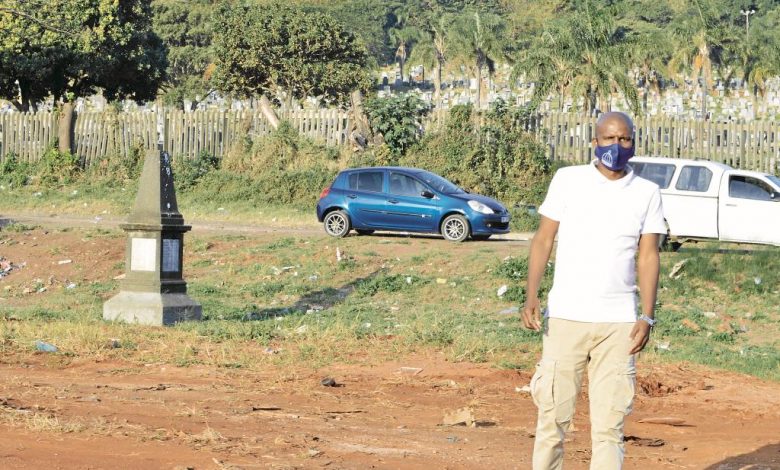
THE NEGLECTED historical landmark, which turned into an illegal dumpsite, has received some much-needed attention.
The corner of Thorn Road and Dudley Street, otherwise known as the Jacobs Concentration Camp site had become a sore site, filled with rubbish and rubble for almost a year. Thanks to a recent clean-up operation by the municipality, a large bulk of the waste has been cleared from the area.

“There was a lot of industrial and some domestic waste being dumped by companies around the area. This further attracts criminals into the area as this dumpsite allowed them the opportunity to steal.
“At last we can see progress. Thank you to the SUN which assisted us in exposing what was going on and getting us to a point where the issue is being attended to. Thanks go to the city for responding to our cry to restore this historic landmark and keep the area clean.
“We will keep on monitoring the activities and developments in this space. It is our responsibility as the community and the surrounding companies to refrain from illegal dumping and make sure that the area is clean,” said ward 75 PR councillor Sthembiso Ngema. The South Durban Basin is a monument of the Anglo-Boer war, which forms part of South Africa’s dynamic history.
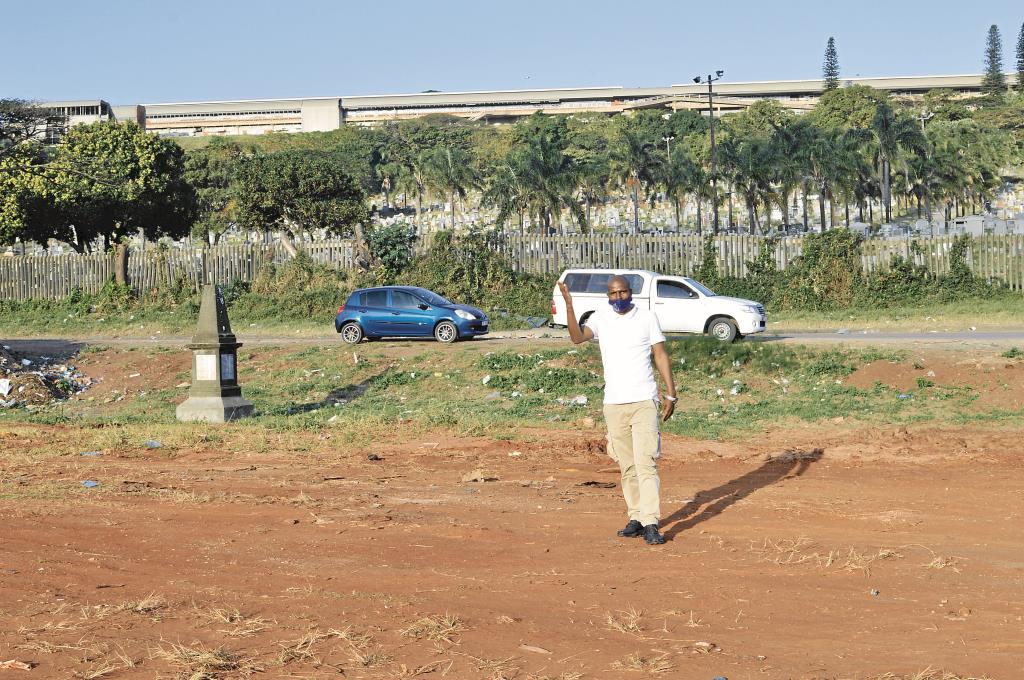
The site houses a monument dedicated to 65 people who died there, of which 52 were children. The last person reported to have died at this camp was 15-year-old Heila de Beer. Of those buried at the site, 19 died at the Merebank Concentration Camp is half a mile away.
According to knowledgeable resident, Pieter du Plessis, the camp consisted of mainly wood and iron structures which in general were a great improvement to the less desirable conditions and wet bell tents found at the nearby Wentworth camp. “This important monument was a very popular site to visit during the 1980s. Many were foreign visiting groups that were interested in the history of the Anglo-Boer war,” he said.
According to KZN Tourism, the camp site was opened in February 1902, and was in operation until the following year. The memorial site is one of the two in the area that honours the Boers who were imprisoned during the war and buried in the Jacobs Concentration Camp cemetery.
“It honours those who perished – mostly young children. The memorial plaque at the site lists victims’ names dating from 1899 to 1902. The camp was the last one in KZN to close in February 1903,” he added.
DID YOU KNOW? Click on the words highlighted in red to read more on this and related topics. To receive news links via WhatsApp or Telegram, send an invite to 061 876 3179. The Southlands Sun is also on Facebook, Twitter and Instagram – why not join us there?
Do you have more information pertaining to this story? Feel free to let us know by commenting on our Facebook page or you can contact our newsroom on 031 903 2341 and speak to a journalist. (Comments posted on this issue may be used for publication in the Sun).