
How to make Zulu traditional beer
Known as umqombothi, the beer has long played a role in gatherings, celebrations and traditional ceremonies.
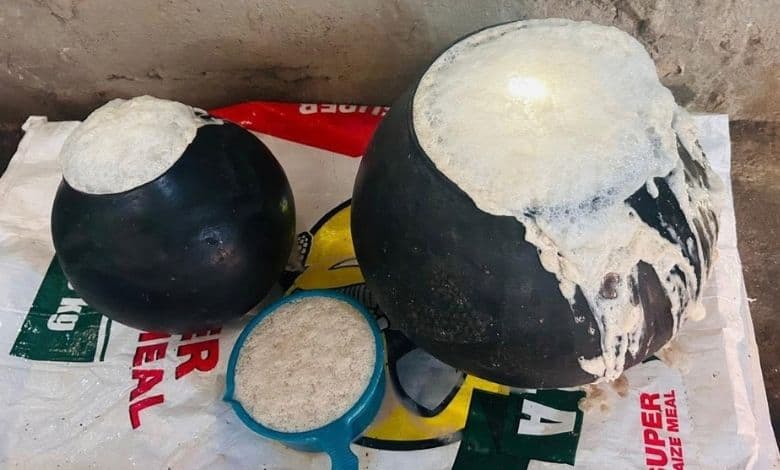
LONG before commercial beers filled the shelves of liquor stores, Zulu communities had their own brew. It was a traditional beer made from simple ingredients, and generations of knowledge passed down from generation to generation.
Known as umqombothi or utshwala, the beer has long played a role in gatherings, celebrations and traditional ceremonies.
Also read: Traditional creamy cheese samp
As September marks Heritage Month, it remains part of celebrations that honour and preserve Zulu culture and traditions.
How is this traditional brew made?
To make the best traditional beer, you will need the following ingredients:
• 2kg of mealie meal (Impuphu).
• 2lt Ijuba.
• 3kg malted sorghum (Imithombo yamabele).
• 3kg maize malt (Imithombo yombila).
• Water.
Method
Day One
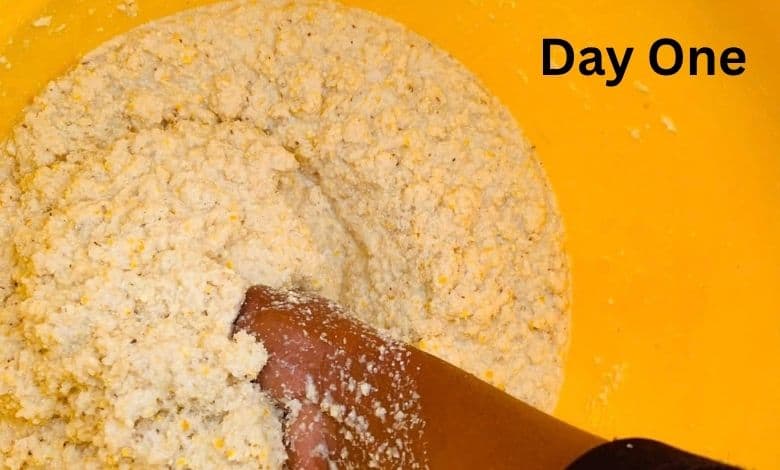
Mix mealie meal and King Korn maize malt in a bucket. Thereafter, add cold water followed by warm water, and stir until the grains are fully blended. The water level should be above the mixture.
Also read: Meals that heal: Good foods to feed your sick child
Cover the mixture with a lid and a blanket, and leave it in a warm place overnight to start natural fermentation. In IsiZulu this preparing stage in the traditional beer-making process is called ukufudumezela. (See photo labelled as Day One in the article)
Day Two
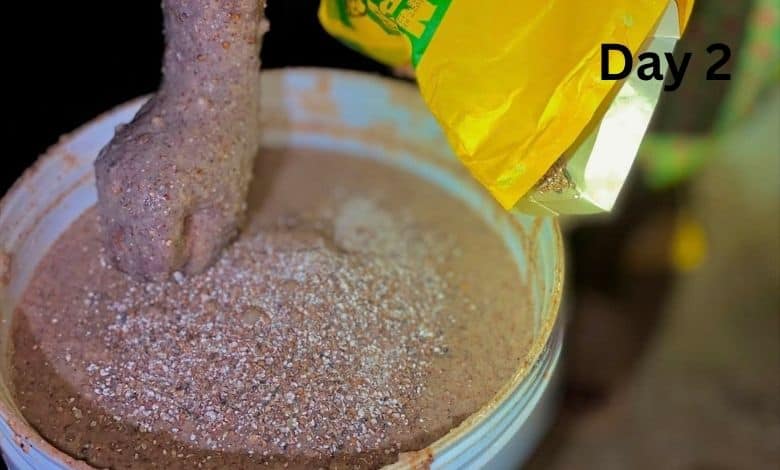
Add sorghum to the mixture and stir until all the grains are fully blended. Place the mixture on the stove and bring it to a boil. Once it starts boiling, remove the pot from the heat. This results in a porridge called umncindo in IsiZulu – a sorghum porridge.
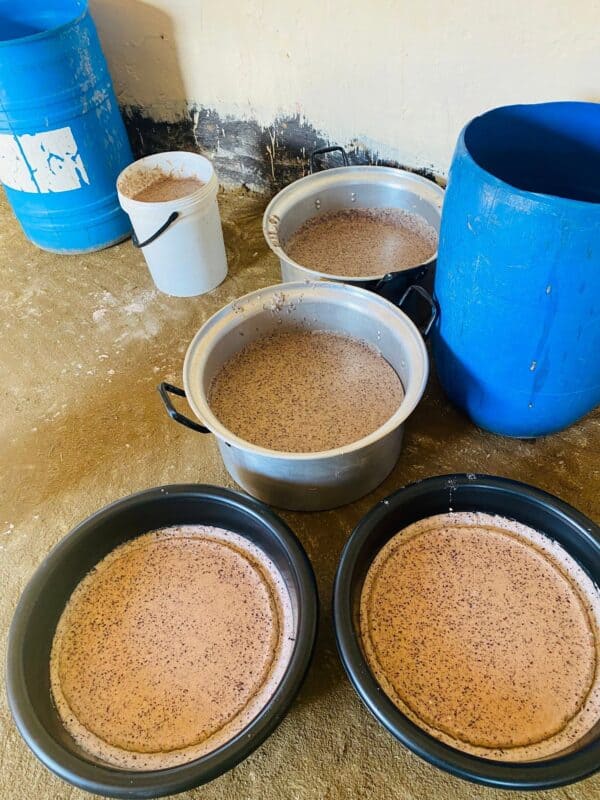
Separate the porridge into small containers as shown in photos below. Keep the containers in a cool dry place so that the mixture can cool and dry in preparation for the next day.
Day Three
Put all the mixtures back into one bucket and stir until it is fully blended. Add 2 litres of iJuba (traditional sorghum beer) to help the mixture to ferment.
Also read: Fashion items to honour our heritage
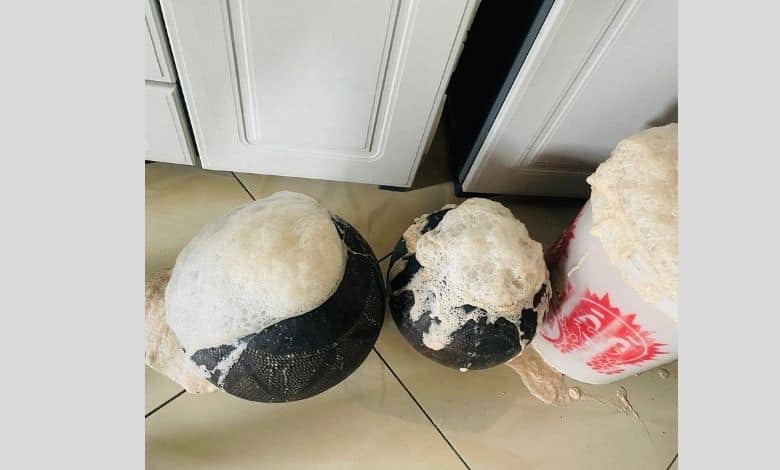
Keep the mixture in a cool place. Once it begins to ferment fully, a white thick foam (Ingwebu) will form on top of the liquid as shown in a photo below.
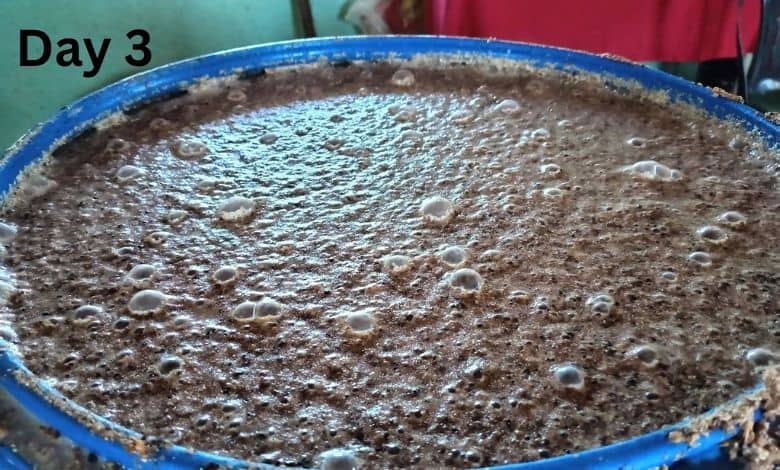
Leave the mixture overnight. Then fermentation process should continue until the following day.
Day Four
The following day, if the mixture is bubbling, the beer is ready. Strain the fermented mixture through a sieve or by using traditional grass strainer known as isivovo or ihluzo.
Also read: [PHOTOS]: Youth embrace their heritage
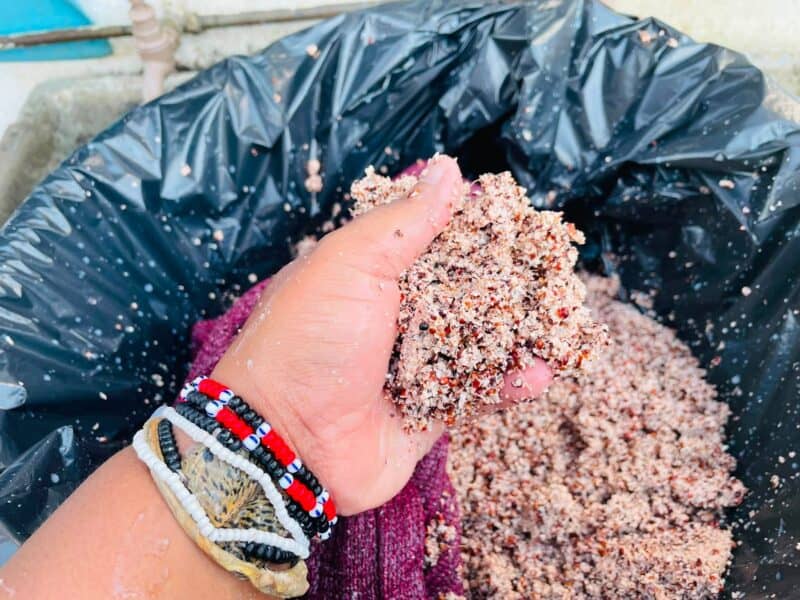
The fermented mixture is strained in order to separate the thick spent grains from the liquid. A regular kitchen sieve can also be used although it may not strain the liquid from the grain as effectively.
How to strain the liquid from the grains?
• Scoop up the fermented mixture and pour it to the strainer.
• Hold the strainer vertically over a large pot or bucket.
• Squeeze and twist. Grip the top opening closed with one hand to protect the mixture inside.
• Use the other hand to slide downward and firmly squeeze and twist the woven body of the strainer. The spent grain hulls remain trapped inside the sleeve.
• Turn the strainer upside down either into a refuse bag or empty bucket, then discard the spent grains.
Now the fermented liquid in the bucket enters its final stages. Once all the liquid is fully brewed, the coloured bubbles and foam should rise to the surface, forming a thick layer around the top. This is the sign that the beer is ready to be served.
For more Southlands Sun news, follow us on Facebook, Twitter and Instagram. You can also check out our videos on our YouTube channel or follow us on TikTok.
Subscribe to our free weekly newsletter and get news delivered straight to your inbox.