Commuters’ pockets hardest hit after protracted bus strike
Many resorted to travelling by taxi which came with its own set of problems

In a country in which a large number of workers rely on buses and taxis to make the daily commute to and from work, a one-day strike can have major repercussions. South Africans were forced to face this reality after bus drivers went on a nationwide strike.
The protracted strike lasted three weeks and while unions and employers were discussing ways to bring an end to the strike, many citizens were forced to seek alternative means of getting to work.
For the man in the street, earning a minimum wage salary, travelling by bus to work is a cheaper option than taking a taxi. The average cost for a trip to the city centre stands at R12 per trip. Many workers have to board another taxi to places like Rosebank, Sandton and surrounding areas at an average of an additional R11.
This means that getting to and from work sets commuters back as much as R66 per day. Multiply this per month and transport costs sets the average South African back about R46 per return trip each day. This runs to about R920 per month for transport, which many who are the sole breadwinners in their households are unable to afford.
Schoolchildren who travel to school at about R14 per return trip now have to use the alternative, which are taxis. As a result of the strike, commuters woke up to long queues at taxi ranks on April 16-a situation which lasted until May 14.
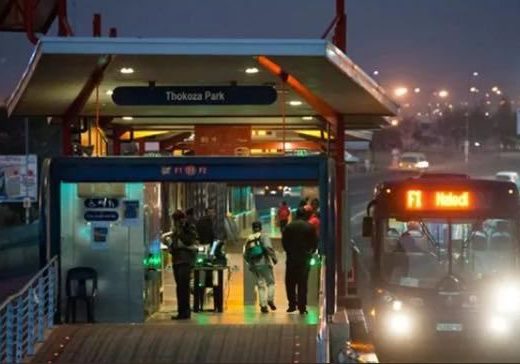
The effect on the finances of the man in the street were immediate, many had to secure loans from loan sharks to supplement their monthly budget, which left them financially overextended. For many, the road to financial recovery will be a hard, long one.
Stephina Mthethwa, who usually travels by bus, said of the strike, “This strike affected me so much that I had to wake up earlier than normal to get up and prepare for work”
“My budget was also affected because I am the only breadwinner, so I’ve had to tighten my belt so that I am able to save taxi fare in order for me to be able to get to work each day.”
“My monthly travel budget is at R 1 200, but this time I spent way more.”
Grade 12 learner, Kgomotso Mphahlele said that they were in the middle of preparations for exams and she missed a few classes after having to study until 12 am and be ready for school by 4 am the next day. She said, “I no longer get enough sleep and this really affects us and our studies.”
Negotiations dragged on and the back-and-forth between unions and the bus companies continued to spiral while commuters like Maria Ledwaba faced disciplinary action at work due to the constant latecoming.
Ledwaba said, “My monthly budget for a bus tag is R400, but now I went over my budget which wasn’t planned and now I have repay the loans at the end of the month.”
“I got into trouble at work because of arriving late.”
South Africans breathed a collective sigh of relief when a deal was struck between bus companies and the South African Transport and Allied Workers Union which will see drivers receiving a nine per cent increase backdated to April 1 and an eight per cent increase in wages next year.