RISE Mzansi launches Menstrual Equity Policy in Diepkloof
Another element that the police will address is menstrual health education and awareness while combating cultural and social stigma.
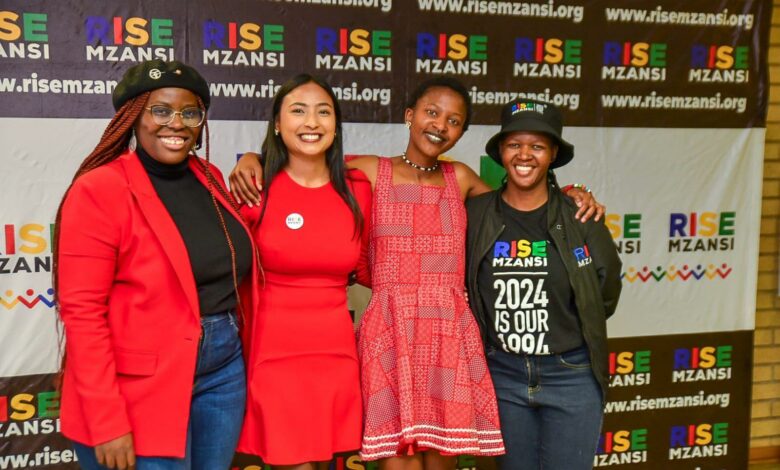
RISE Mzansi donated 100 menstrual cups to women in celebration of the party’s Menstrual Equity Policy launch at Diepkloof Hall, on May 11.
The policy aims to address the inability to obtain basic sanitation services or facilities, menstrual hygiene education, and safe and sanitary menstrual products during monthly periods.
According to RISE Mzansi, at least seven million individuals who are menstruating have little financial resources, which makes it difficult for them to engage in social activities like going to work or school.
ALSO READ: Magashule launches new political party in Soweto
RISE Mzansi’s member of National Leadership Collective, Faeeza Lok said they are excited to announce the launch of the policy.

She described it as a comprehensive framework aimed at eliminating period poverty and promoting menstrual justice in South Africa.
“This initiative is crucial for guaranteeing access to menstrual products, promoting health education, and addressing the stigma surrounding menstruation,” said Lok.
She said according to studies, 30% of teenage girls in SA experience period poverty, which puts their futures at risk and causes large scholastic inequalities.
According to Lok, the policy intends to improve access to menstrual products and access to reproductive healthcare services by implementing programmes to provide affordable or free menstrual products, including pads, tampons, and menstrual cups.
ALSO READ: All African Alliance Movement endorses MK political party
Explore government subsidies and distribution programmes in clinics, schools, workplaces and community centres.
Expand access to affordable healthcare facilities for regular check-ups and treatment of menstrual disorders and provide training for healthcare providers to enhance understanding of menstrual health issues.
Another element that the police will address is menstrual health education and awareness while combating cultural and social stigma.
She voiced that this will be archived by incorporating thorough teaching about menstruation health into curricula in schools and community outreach programmes and cultivating partnerships with NGOs and others spearheading the menstrual rights movement.
And develop and implement awareness campaigns to dismantle cultural taboos around menstruation while Challenging harmful beliefs and practices contributing to menstrual stigma and discrimination.
ALSO READ: Axed DA members pens letter critics party
“RISE Mzansi recognises the importance of a comprehensive approach to ending period poverty.
“We will collaborate with government agencies, civil society organisations, healthcare providers, and the private sector to achieve these policy objectives,” she continued.
“The policy will be reviewed periodically to ensure it effectively promotes menstrual equity through data collection, impact assessments and stakeholder engagement.”