AVBOB Poetry Project pays tribute to astonishing poet
There is poetry in the lives of ordinary people, and bringing their stories alongside my own created for me a sense of communal belonging.
World Trauma Day is celebrated globally on October 17.
The World Health Organisation recognises trauma as one of the most pervasive causes of death and disability, so it is crucial to remember how much of it remains invisible to us.
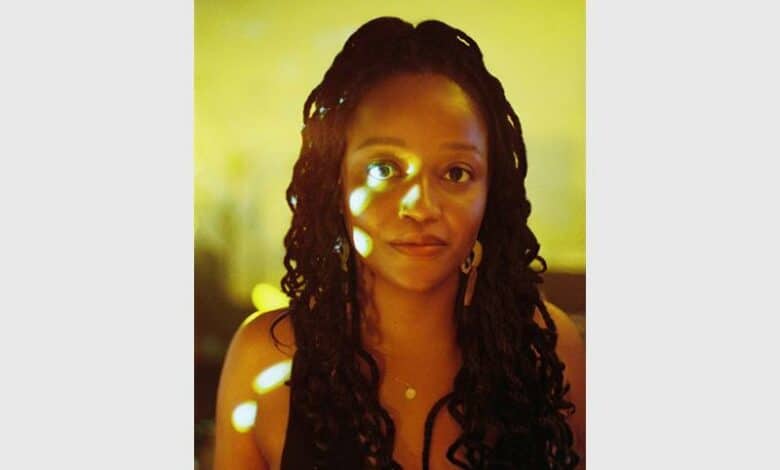
It is in this context that the AVBOB Poetry Project pays tribute to the work of Sarah Lubala, a Congolese-born SA poet whose debut collection, A History of Disappearance (Botsotso, 2022), won the 2024 Ingrid Jonker Award.
ALSO READ: Gatueng Social Development takes health programme to Dobsonville
In this outstanding collection, Lubala responds to her and others’ displacement from the country of their birth in an attempt to “loosen death’s fist, / one finger at a time”.
Responding to her win, Lubala says, “Winning the award is deeply meaningful, and I am honoured. But ultimately, it won’t alter my core relationship with the work.
“This collection emerged from very personal and complex places, and I remain committed to writing from a space of authenticity.
“Literary prizes are a wonderful way to celebrate work, but it’s important to remember that writing itself – the process, the exploration – is where the true value lies.”
Her poems evoke recent socio-political upheavals but often refer to older, even ancient, history.
“While many of the poems are rooted in my own experiences, I felt compelled to include the stories of others living on the margins.
There is poetry in the lives of ordinary people, and bringing their stories alongside my own created for me a sense of communal belonging.
ALSO READ: Health Department joins the course to combat GBV and femicide in Soweto
“This was especially important for me in the context of writing about displacement, trauma and migration.
Weaving in and out of my stories and theirs, I felt the poems became a shared country, the words a form of citizenship for all of us who are displaced.”
Is it really possible for poetry to heal the wounds of trauma and displacement? Lubala thinks so.
“For me, poetry has always been an education of the heart. When writing A History of Disappearance, I had healing in mind, not just for the traumas I’ve experienced personally but also for the weight of generational trauma that I carry.
“Writing these poems allowed me to process and work through those histories. I’ve always found that poetry can bear the unbearable. It has certainly done that for me.
The words, the poems, hold what can’t be said, what can’t be translated. Poetry holds the keen pain and mystery of being alive.
“It takes the thing that feels like it might kill you and moves it outside of you and makes it a thing in the world.”