Gauteng Health ramps up fight against child malnutrition
With more than 1 400 cases of severe acute malnutrition reported, the Gauteng Health Department is intensifying early detection and education efforts to save young lives.
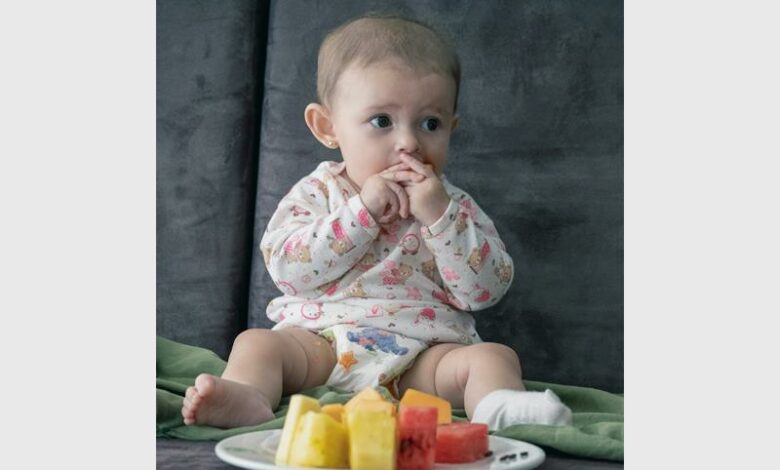
The Gauteng Department of Health has intensified efforts to combat malnutrition amid identified cases of severe acute malnutrition (SAM) among children.
This comes after 1 467 cases were reported by the department in the previous financial year, with 1 367 children recovering in hospitals across the province. Tshwane, Johannesburg, and Ekurhuleni health districts recorded the highest incidences.
The health department stated that SAM is a critical public health issue that leads to extreme weight loss, muscle wasting, weakened immunity and developmental delays, leaving affected children more vulnerable to infections such as diarrhoea and tuberculosis.
The department said that if left untreated, malnutrition can have devastating long-term effects, including stunted growth, impaired cognitive development and an increased risk of chronic diseases in adulthood.
It also highlighted that many cases are only identified when children are already in severe distress, often presenting with complications such as hypoglycaemia, hypothermia and sepsis.
“While malnutrition is preventable, early intervention is critical for saving lives. We urge parents, caregivers and communities to make use of health facilities for early screening and treatment.
“Recognising early signs of SAM, such as extreme thinness, loss of appetite, swelling in the feet or hands, and developmental delays, is essential.
“Caregivers who suspect a child may be malnourished are encouraged to seek immediate medical attention at the nearest clinic,” explained Gauteng MEC for Health and Wellness, Nomantu Nkomo-Ralehoko.
The department said the MEC highlighted that early detection and intervention programmes have been strengthened.
Nkomo-Ralehoko added, “Community health workers are actively conducting home visits and screening children at Early Childhood Development Centres using mid-upper arm circumference measurements. These efforts aim to identify children at risk before they reach a critical stage.”
The health department also said that it is prioritising nutrition education for families, emphasising the importance of healthy feeding practices.
ALSO CHECK: Cable theft strikes Nuffield substation
It noted that parents are informed about the benefits of exclusive breastfeeding for the first six months from birth, and continuing breastfeeding with the addition of complementary food until two years and beyond.
“Providing children with a balanced diet that includes a variety of foods containing essential nutrients for growth and development is emphasised through education to mothers and caregivers,” the department said.
The department shared that health professionals at the clinic level provide comprehensive support, including nutrition education, breastfeeding assistance, management of childhood illnesses using the Integrated Management of Childhood Illnesses Strategy, and provision of therapeutic food supplements such as ready-to-use therapeutic foods, along with micronutrient supplementation, vitamin A supplements and deworming.
“For children with complications, timely referrals to hospitals ensure they receive care under the World Health Organisation’s 10-Step programme for the management of SAM.”
ALSO CHECK: Greater Springs Soup Kitchen expands with fourth location
“After hospital discharge, children continue to receive nutritional rehabilitation and monitoring at their nearest local clinics to ensure sustained recovery,” the department said.
The health department also acknowledged that despite intensified efforts, socioeconomic factors such as food insecurity and poor feeding practices significantly contribute to the rise in malnutrition cases.
It added that many households struggle to provide adequate, nutritious meals, leading to unhealthy eating habits that replace essential nutrition.
The department is collaborating with the Department of Social Development by referring children for social grants and food parcels.
It emphasised that combating malnutrition requires a collective effort and that families and communities must actively engage in promoting proper feeding practices to protect children from the devastating effects of malnutrition.