
Is it a cold, or is it the flu? Who can tell?
Your nose is running, your throat is scratchy and your head feels stuffy – but do you have a cold or the flu?
Your nose is running, your throat is scratchy and your head feels stuffy – but do you have a cold or the flu? Many of us don’t know the difference between the symptoms of a cold or the flu, and we often rush off to the doctor thinking the worse.
“We assume that since we have the symptoms of the flu, that we must have the flu and that the only option is to go to the doctor,” says Carla Yssel, brand manager of Linctagon®.

“Although a cold and the flu are caused by different viruses, telling them apart can be hard, but there are small indications that can point you in the right direction.”
Symptoms of a cold and the flu
It is called the common cold for a reason, as it occurs often and is one of the leading reasons that people are absent from work or school. The symptoms of a cold are milder than that of the flu, and usually last for up to a week.
The flu is much more aggressive than a cold, and although the symptoms can be similar, they do last for longer, and can have serious associated complications such as pneumonia, dehydration and shortness of breath, to name a few.
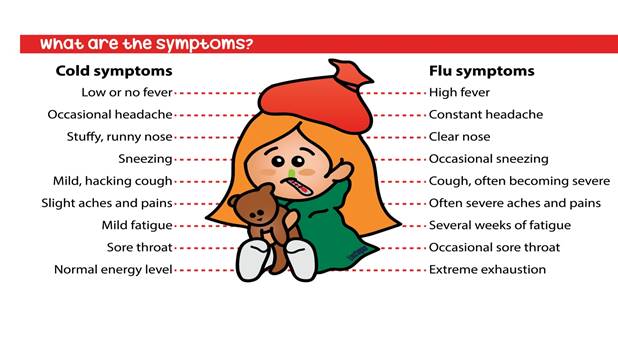
Knowing whether you have a cold or the flu is important, and Linctagon® has provided a chart below to help with identification:

It’s the little changes that can help avoid you getting sick
“Sometimes it may seem impossible to avoid contracting a cold or the flu when everyone around you seems to be sniffing, coughing and shivering, but there are small adjustments that can be made to our daily lives that can help keep us from contracting the viruses,” says Yssel.
• Wash your hands frequently with soap as this can help stop the viruses from spreading.
• Always throw away your tissues after you have used them. This may seem like common sense, but many times used tissues remain in pockets or in handbags.
• When your nose starts to feel a little stuffy, use Linctagon® Nasal Spray which contains xylitol and saline, and can help moisturise the nasal passages and help with soothing relief when suffering from a stuffy nose*.
• Keep hydrated by drinking water throughout the day. Staying hydrated helps your body to maintain its normal body functions.
• Don’t share cups and utensils with someone who has the symptoms of a cold, as this is a way that the viruses can easily be passed on from one person to the other.