Slovenia is officially known as the Republic of Slovenia and called Slovenija by its residents.
Slovenia is situated in southeastern Europe on the Balkan Peninsula and is bordered by Austria to the north, Hungary to the northeast, Croatia to the south and southeast, and Italy and the Adriatic Sea to the west.
Important social problems and issues include the country’s transition to a free market economy (as prior to 1991 it had been a socialist country), an aging population (the average age for men is thirty-five, for women, thirty-eight), creating jobs for an educated population, and coping with the increasing number of migrant workers and refugees.
The crime rate is low in Slovenia but there has been a rise in organized and economic crime since its independence and change to privatization.
Money laundering is a particularly increasing problem in Slovenia.
Slovenia’s location between Italy, Austria, and Hungary puts it in the middle of international money-laundering schemes.
The Slovene government is actively fighting the resulting problems.
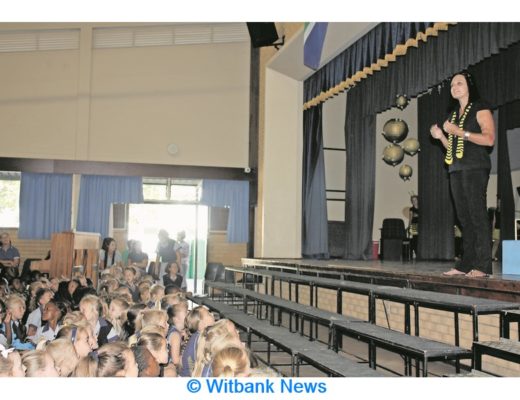
On March 1, Laerskool Kragbron had its annual ‘international prayer day for women’ – this year all of the learners, teachers, and relatives who attended the event prayed for the women and children of Slovenia.
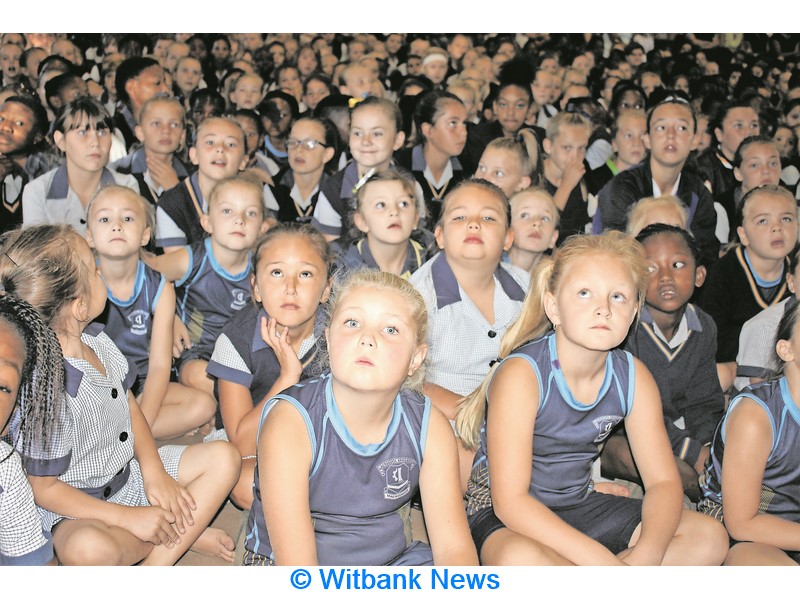
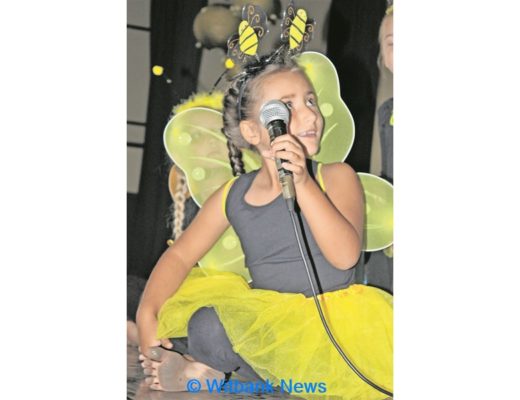
Approximately 700 female students, mommies, aunties, grannies and female teachers joined together in Laerskool Kragbron’s hall to pray for Slovenia; after listening to a short presentation by Mrs Christna Smit, watching a short choreographed piece by ‘the bees’ and listening to a song performed by Laerskool Kragbron’s renowned choir.
The male students and teachers also prayed for the same cause in solidarity from Laerskool Kragbron’s pavilion where they had gathered.