[PART 1] Where there is a ‘WIL’ there is a way
The projects involves understanding the multi-dimensional impact that carcass breakdown has on the ecosystem, and at various trophic levels including on soil, plants, microbes, birds, bats and other mammals
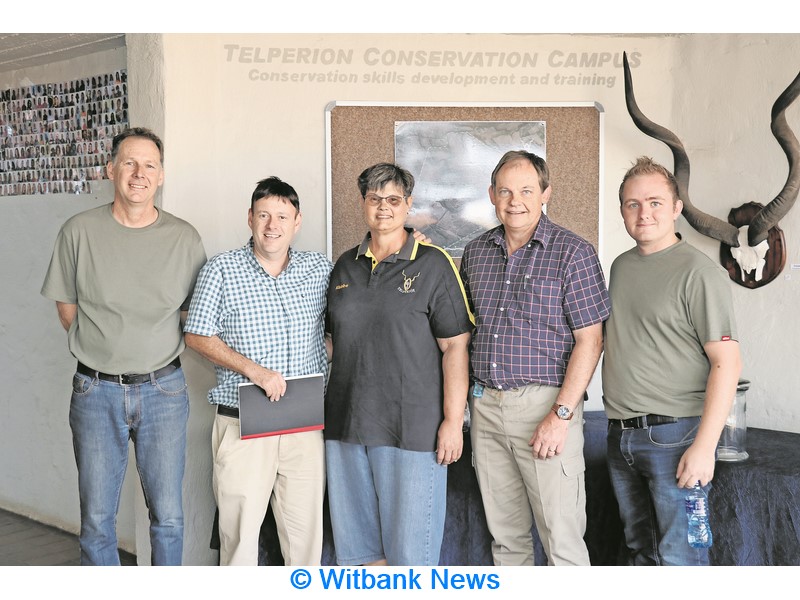
Telperion Nature Reserve is a 9 000 ha property in the Bankenveld of South Africa, a threatened ecosystem with less than 2% under formal conservation protection.
The property has a long-standing agreement with the Applied Behavioural Ecological and Ecosystem Research Unit (ABEERU) at the University of South Africa.
Mr Nicky and Ms Strilli Oppenheimer developed a research centre on the property, which within partnership with Abeeru, investigates the uniqueness of these valuable grasslands.
Abeeru and Telperion offers appropriate research services to the broader community and conservation bodies they collaborate with.
Key is that the acquired basic knowledge is applied to improve the management and understanding of ecosystems to ensure sustainability and preservation of biodiversity.
Basic and applied research to solve industry-related problems within the field of behavioural ecology is undertaken.
The scope of research focuses on the reaction of all components (biotic and abiotic) of ecosystems to changes in the urban and natural environment.
Research is conducted to acquire knowledge about indigenous wildlife and vegetation (species and habitats) in their natural environment, as well as monitoring the responses of ecosystems to change and management actions.
The work focuses on the management of associated cultural resources to ensure optimized and responsible utilization of such resources to the benefit of all involved, without destroying the resources.
The first Telperion Abeeru research workshop and Work Integrated Learning showcase was held at the Montessori school on Telperion on October 24 and 25.
The first day focused on presentation given by the numerous academics and students conducting their work on the property.
This included vegetation classification and description of the Telperion Nature Reserve by Palesa Pepenene, the distribution difference of Flap-necked Chameleon in this environment by Trevor O’Donoghue, hydrogeomorphic classification, biodiversity assessment and management recommendations for wetlands in Telperion by Motlhalefi Mogashoa and insights into the ecology of rusty spotted genets and slender mongoose by Nicola Saayman.
Presentations on the Carcass Project by various researchers were presented.
The projects involves understanding the multi-dimensional impact that carcass breakdown has on the ecosystem, and at various trophic levels including on soil, plants, microbes, birds, bats and other mammals.
Day one ended with a tour of the Abeeru Telperion research facility by Prof Leslie Brown.
The second day focused on the work integrated learning undertaken with undergrad Unisa students who have conducted their practical experience on Telperion.
The WIL project was initiated by Graeme Wilson and has been run on Telperion since 2008.
Huge numbers of students have worked on Telperion to complete various tasks in order to obtain their National Diploma in Nature Conservation.
These include game count methodology, sex and age structure, vegetation surveys and analysis, aquatic surveys, alien plant control, anti-poaching and more. Presentations were given by past and present students, highlighting the massive contribution Telperion and the WIL programme has made in their lives.
Past students presented on their conservation careers after Unisa and Telperion.
Lecturers in the department also gave an overview of the Work-integrated Learning Modules of the Unisa Diploma in Nature Conservation and the importance of Telperion in education and in creating the opportunity for students to complete their diplomas.
Literally hundreds of students have spent time and worked on Telperion since the programme started, and the property has been key in facilitating the development of the next generations of conservationists.