Elections 2026: Understanding how local government works
Here's how South Africa's municipal system is set up and the different roles each one plays
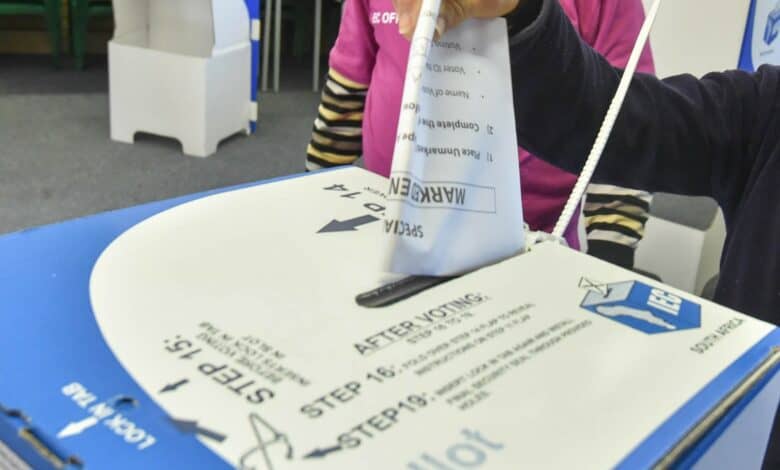
Local government may seem complex, but understanding how it is structured helps you see exactly where your vote fits in.
South Africa’s municipal system is divided into three types of municipalities, each playing a different role:
1. Metropolitan municipalities (Metros)
These govern large urban areas like Durban and Johannesburg. There are eight metros in total, including eThekwini, City of Cape Town, and City of Tshwane.
Metros combine all local government functions into a single council and are divided into wards, each represented by a councillor.
2. Local municipalities
These cover smaller towns and cities, including much of the Zululand region. Each local municipality is divided into wards, with councillors representing specific communities.
3. District municipalities
District municipalities oversee several local municipalities (usually four to six). They provide support, coordination and shared services across a wider region.
How seats are allocated
South Africa uses a mixed system that combines:
· Direct representation (ward councillors elected by communities)
· Proportional representation (PR) (party-based seats)
Here’s how it works in simple terms:
· All votes (ward and PR) are counted together
· A quota is calculated based on total votes and available council seats
· Political parties receive seats in proportion to the number of votes they earn
· If a party wins fewer ward seats than its share, it is allocated additional PR seats to ensure fair representation
This system ensures councils reflect the overall will of voters, not just individual ward outcomes.
Don’t have the ZO app? Download it to your Android or Apple device here:


HAVE YOUR SAY
Like our Facebook page and follow us on Twitter.
For news straight to your phone invite us:
WhatsApp – 060 784 2695
Instagram – zululand_observer
TikTok – @zululand_observer