
Fly like a butterfly
The Belenois aurota, are famous for their en masse migrations in Southern Africa.
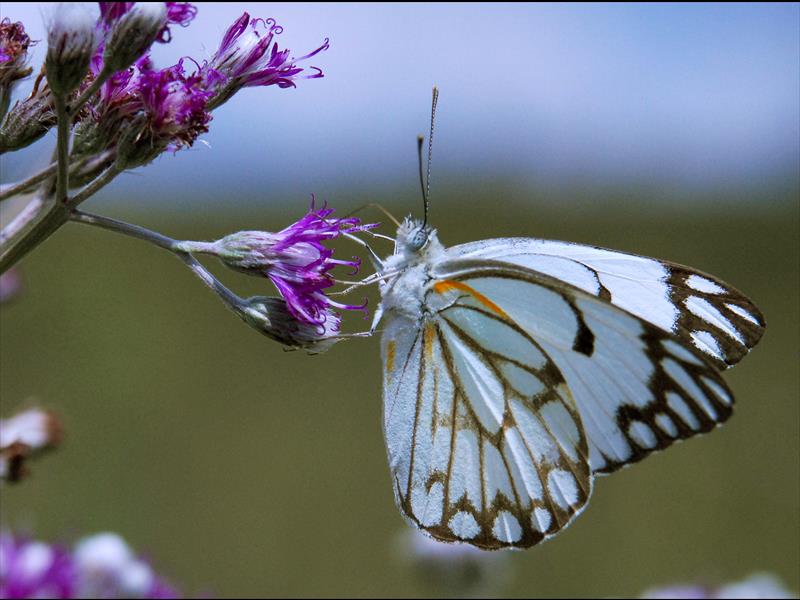
CLOUDS of white butterflies are gracing Southern Africa. This phenomenon is an annual event , especially in years when conditions are favourable.
Most of this endless flow of white butterflies is made up of the Brown-veined White (Belenois aurota, Pieridae family ) which have become famous for their en masse migrations in Southern Africa.
Here, core populations of the Brown-veined Whites originate from the Karoo and Kalahari. These populations owe their strength to the main food plant of the caterpillars, the Shepherd’s Tree (Boscia albitrunca). These core populations are maintained by the females laying eggs on the Shepherd’s trees before they migrate.
The mass of white butterflies probably plays an important role in pollination, but this is still poorly understood. In fact, there is much that is still not known about this widespred butterfly.
Specialists and citizen scientists recently started to gather data for a project called the Great Little White Butterfly Migration. The Great Little White Butterfly Migration is an initiative of the Animal Demography Unit (University of Cape Town) and the Lepidopterists’ Society of Africa.
It asks the public, as citizen scientists, to submit observations on the date of arrival of the butterfly migration and numbers seen, to better understand the extent of the current migration. (This project is part of the larger project known as LepiMap which encourages people (all over Africa) to submit their photographic observations of butterflies and moths.
Like anything that gains notoriety and fame, myths and urban legends are beginning to surround these fascinating butterflies.
As well as exaggerations in the extent of their migration. These myths include that the Brown-veined Whites are pests of crops, that they have something to do with diseases and that they feed mostly on grasses. For up to date and factual information contact the Lepidopterists’ Society of Africa on www.lepsoc.org.za or visit www.facebook.com/groups/WhiteButterflyMigration.
(Source: Reinier Terblanche, Steve Woodhall and Silvia Mecenero (Lepidopterists’ Society of Africa)).