
Going from stalemate to checkmate
Encouraging signs, but HIV/Aids fight needs more stimilus
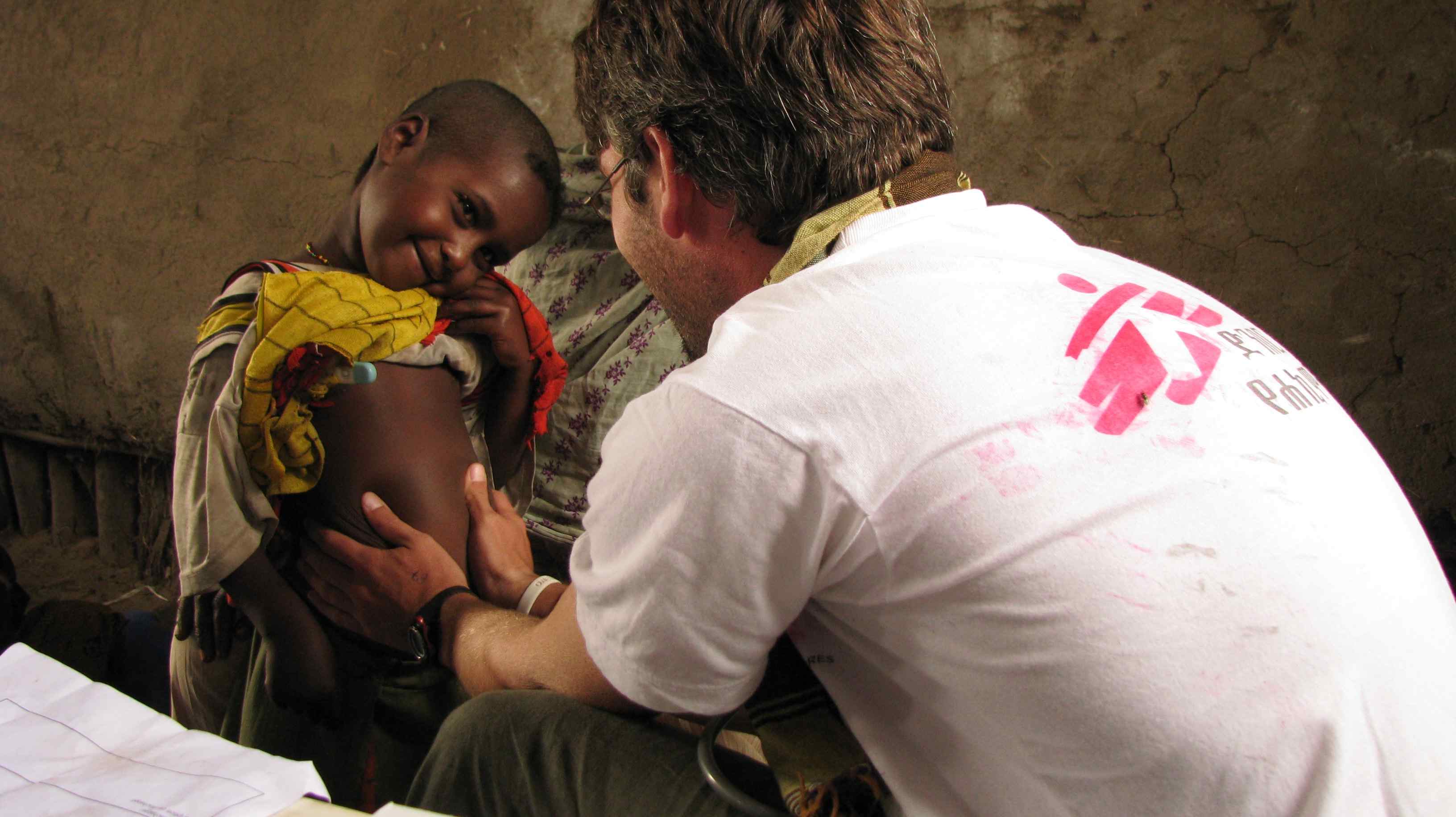
A NEW in-depth study released by Doctors Without Borders (MSF) in Boston suggests that even though South Africa is on the right track in addressing the HIV epidemic, it should step up efforts to move from stalemate to checkmate against the disease.
The paper was presented at the annual Conference on Retroviruses and Opportunistic Infections (CROI)
Conducted in eShowe and Mbongolwane by Epicentre, the research arm of MSF, the report confirmed that the province remains the focal point of the HIV epidemic in South Africa.
The area has one of the highest HIV infection burdens in the world, with 25.2% of the adult population living with the virus against a national average of 17.9%.
MSF’s study was aimed at establishing a close-up perspective of the epidemic in uThungulu to better know how to address it.
Based on the results, MSF calls for an intensification and improvement of the efforts currently underway by health authorities throughout the country, and the targeting of key groups at greater risks of infection, especially the young women who remain disproportionately affected by the disease, and men who test for HIV less and are less likely to undergo treatment when they are eligible.
‘The survey confirms that KZN remains very much an epicentre of the worldwide HIV/Aids pandemic, with one in four adults infected by the virus.
Slowing down
‘But even though the disease is still progressing, it is doing so more slowly than we expected’, said Epicentre researcher, Dr Helena Huerga.
HIV incidence, which is used to gauge how fast the disease is spreading, was found to be at 1.4% per year, which means that every year, 14 people out of 1 000 get infected.
This relatively moderate rate of transmission may be explained by good awareness of HIV in the community.
Of the people interviewed, 81.4% had been tested for HIV within six months prior to the survey and 75.8% of HIV positive people surveyed were aware of their status.
It may also be linked to reasonably high coverage with antiretroviral therapy (ART) among people living with HIV, as research points to a dramatic reduction of the risks of transmission of the disease once HIV positive people are taking their treatment well.
In eShowe and Mbongolwane, 75% of those eligible for treatment receive it, compared to an estimated 52% nationally in 2011.
‘Our survey shows that 56% of women age 30 to 39 are HIV positive.
‘This is a worryingly high number, but behind it there is actually some good news.
‘As most infections occur among the youth, these people were most probably infected years ago. But thanks to the rolling out of the ARV programme they did not die, but are still alive and doing well with treatment’, says Dr Matthew Reid, coordinator of the project in eShowe and Mbongolwane.