Hawk eye on human trafficking
Victims of trafficking are kept under control with violence and drugs and have no free will to consent or refuse sexual acts.
HUMAN trafficking is the third largest criminal industry in world – only outranked by drugs and arms.
It includes child pornography, sexual exploitation, rape and indecent acts, illegal adoptions, forced labour, begging, bonded labour, recruitment of child soldiers, forced marriages of underage children, illegal organ transplants, murder and trafficking in organs for witchcraft purposes.
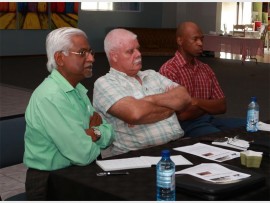
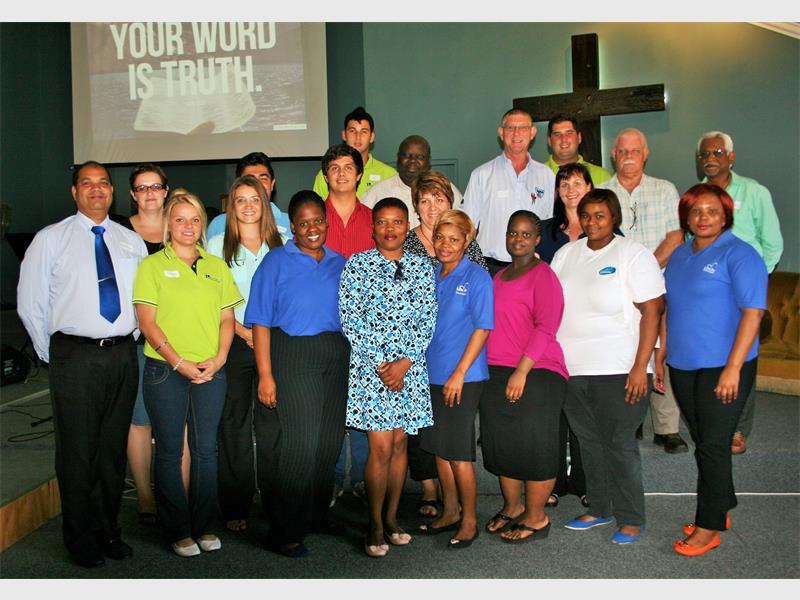
This is according to specialist human trafficking investigator, Detective Warrant Officer Abby Dyanand of the Hawks, addressing a contingency of community stakeholders at a human trafficking workshop on Wednesday, hosted by the AGS Kerk Sonder Mure.
W/O Dyanand said where South African common law and statutory law previously failed to deal adequately with the growing atrocities of modern day slavery, a new act heralds the end of the era where investigators and prosecutors fought with one hand tied behind their backs.
‘They (the traffickers) used to get a slap on the wrist, but now we will punch them on their pockets, where it hurts the most.
‘Wherever you fit into the traffic chain – we are coming for you,’ was his ominous warning to all syndicate members involved in the traffic chain, including those who make use of services of victims and those who rent their premises to traffickers.
Victims of trafficking are kept under control with violence and drugs and have no free will to consent or refuse sexual acts.
‘Even if the girl says yes to sex, she does not have control over her body – if she is traffic victim, the client will also be charged with rape.’
Regulations
‘The Prevention and Combatting of Trafficking in Persons Act (TIP) 7 of 2013 has passed through Parliament, but has not yet been implemented since every department must come up with a set of regulations to indicate how to, when and why one should act.
‘The SA police are in the final draft of their regulations and only the departments of Social Development and Immigration must still submit theirs.’
The act presents a very large net to catch from the smallest to the biggest fish and prescribes wide protection of traffic victims against prosecution for crimes and forced expulsion to their countries of origin where they may face prosecution by their own governments.
The comprehensive legislation is only months away from implementation and set to change the whole landscape of human traffic prosecution in South Africa.
The beefed up act is among the best international legislation with staggering penalty clauses for the recruitment, transportation and exploitation of victims.
Local welfare organisations, government departments, churches, schools, business and community volunteers can play a crucial role in the process of identifying traffic victims and tell-tale signs of syndicate activities, to eventually help dismantle the operations completely via a multi-sectorial approach.
‘We must bring teams together and give specific roles to key players. The ultimate aim is to perform a take down act,’ said Dyanand.