
Unizul nanotechnology team go large
Unizulu nanotechnology team research novel drug delivery system to combat cancer.
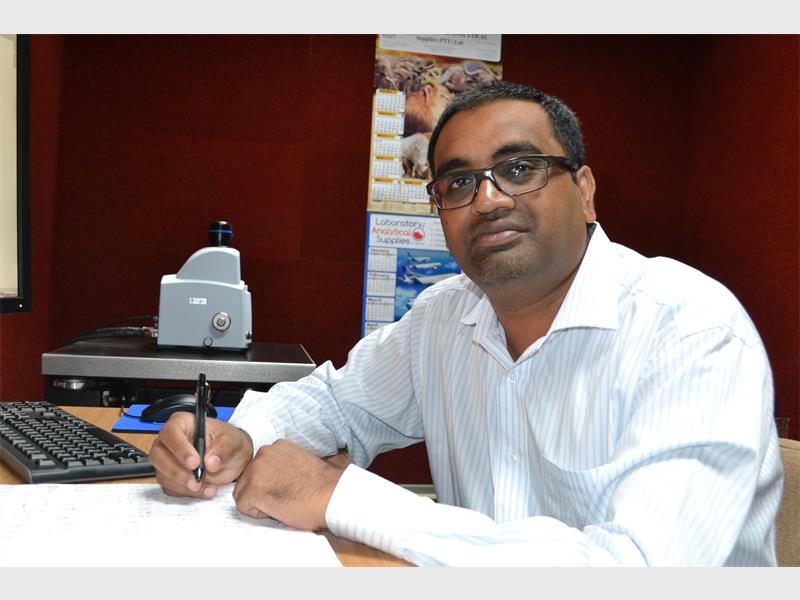
TROTTING across the globe creating and manipulating materials nanometre in size, the University of Zululand (Unizulu) nanotechnology research team are well on their way to new heights.
Unizulu Professor of Chemistry Neerish Revaprasadu, one of only five South African Research Chair Initiative chairmen in the country, and his team are currently working on several groundbreaking projects.
Last the unit received a five-year 1.2-million pounds grant from the Royal Society Department for International Development in the United Kingdom, which will be shared with Ghana and Cameroon.
‘We will use this research grant to produce nanomaterials for solar devices, currently the main project in our department.’ said Professor Revaprasadu.
‘We will host students from Ghana and Cameroon and in turn, our students will be hosted in the UK by the University of Manchester.
‘Two of our students leave next month for a six-month period and will conduct research in material synthesis and characterisation. It is an incredible opportunity for them to be exposed to a variety of sophisticated resources.’
The University of Manchester currently holds a Nobel prize for discovering graphene.
Another main focus of research includes PhD research student Rekha Dunpall’s work on designing a novel drug delivery system, using a gold and zinc telluride to combat cancer.
Currently, the best treatment available against cancer is chemotherapy. This kind of treatment, however, has many drawbacks and adverse side effects that can sometimes lead to death.
The drug delivery system intends to create an efficient way to deliver drugs to specific abnormal cancer cells in the body to avoid unnecessary damage to normal healthy cells.
Dunpall has been invited by the Department of Science and Technology to attend the European School on Nanoscience and Nanotechnology event in France in August.