
Stay hydrated during the Zululand heat
Keep a bottle of water close by this holiday to avoid dehydration.
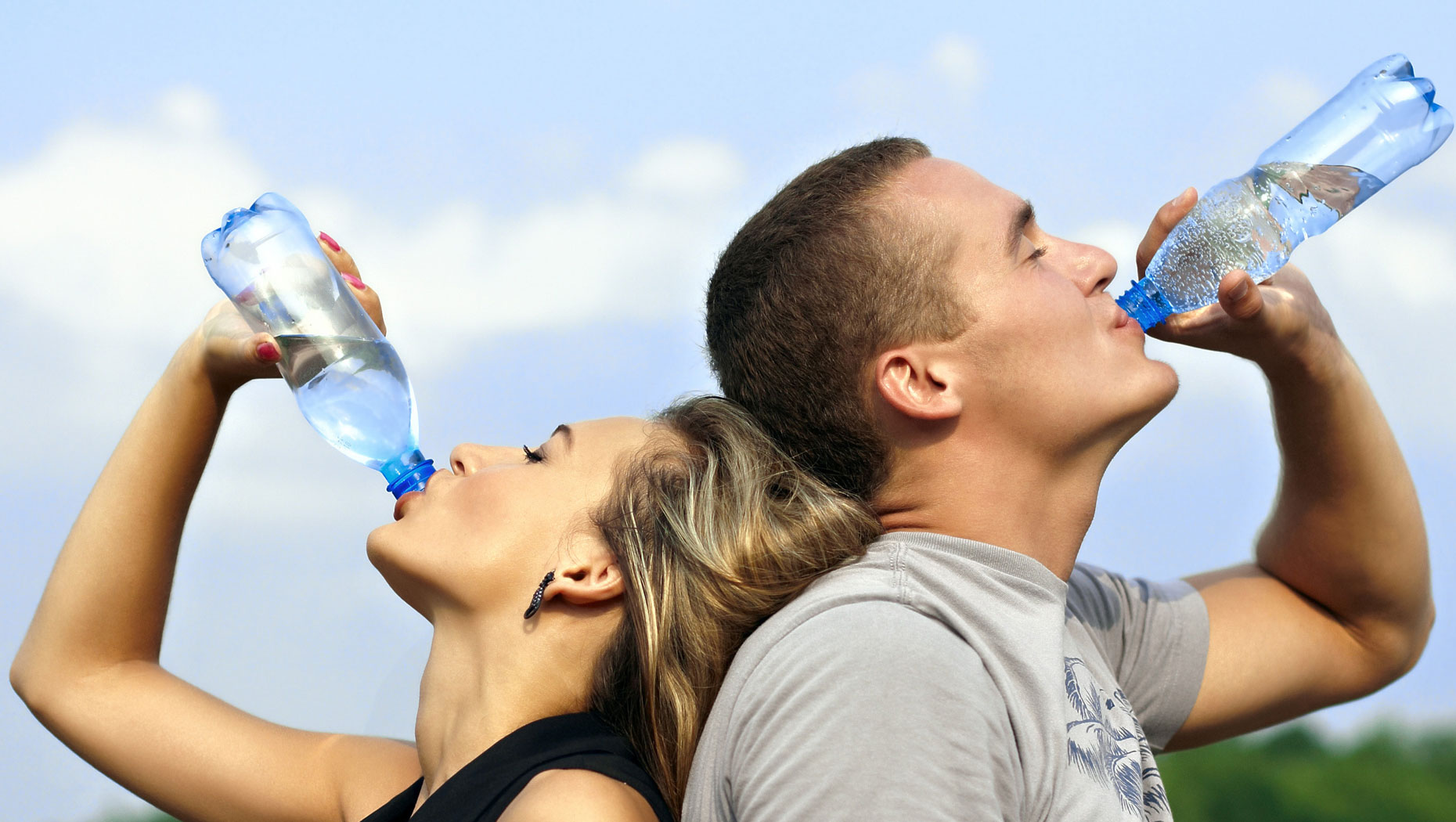
AS holiday goers brace themselves for a lengthy drive to their end-of-year holiday destinations, they’d do well to remember to stay well hydrated whether in the car en route, as well as when on the beach, hiking in the mountains or game viewing.
This is the message from South African National Bottled Water Association CEO, Charlotte Metcalf, who pointed out that water — in all its forms — is a vital component of the human diet.
And, particularly when temperatures reach their summer highs, people should make certain they are never far away from a tap, water cooler or a bottle of water.
Sensible travellers and holiday makers will ensure their suitcases contain sun screens and hats to protect them and their families from the summer sun, and water to slake their thirst and fend off dehydration.
If you cannot get to a tap – as many travellers and holidaymakers can’t when they’re enjoying their December break – bottled water is the best packaged beverage option for the environment, as it has the lightest environmental footprint of all packaged beverages.
The importance of H2O
The importance of adequate hydration to maintain good health and well-being was restated by internationally renowned scientists at a scientific symposium held alongside the 12th European Nutrition Conference FENS in Berlin in October this year.
Like the planet we inhabit, our bodies comprise mostly water – the brain is 85% water, our blood is 90% water, and the liver, one of our most vital organs, is 96% water. Water is therefore a vital component of our diet, as this recent symposium stressed.
It is also the healthiest beverage option for societies plagued by diseases such as obesity and diabetes.
Bottled water does not compete against tap water for share of mouth in South Africa but is offered as a healthy beverage alternative.
If in December, your water comes packaged as bottled water and not in a re-usable container, SANBWA would urge you to recycle as the bottle’s impact on the environment can be reduced immediately by 25% when you do so.
Visit Pet Plastic Recycling to find a collection depot near you.