
Dispelling the myths of organ donation
Mind these myths surrounding organ donation and sign up to save at least seven lives
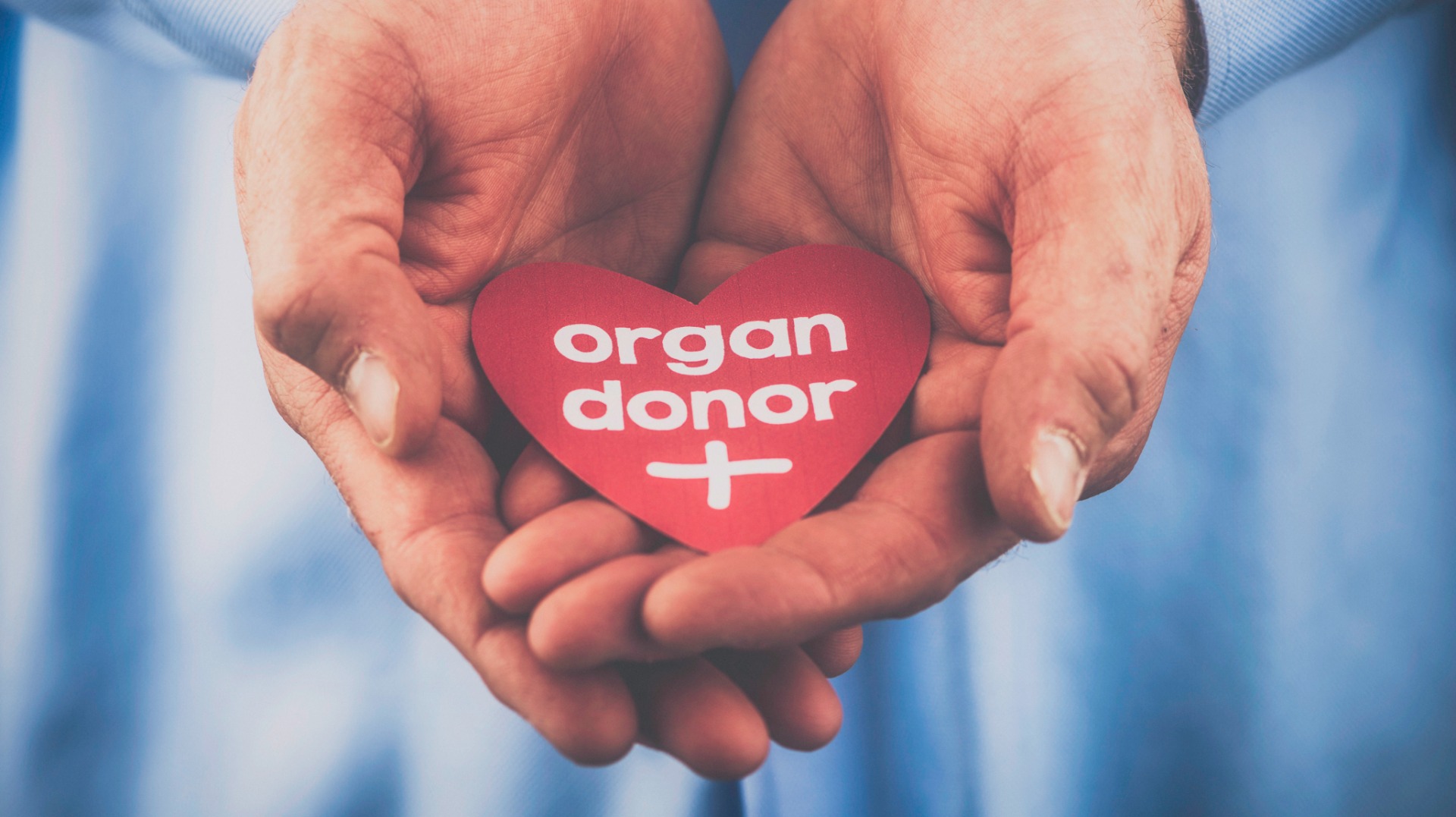
AS many as seven lives can be saved if one decides to donate one’s organs.
But many myths and misconceptions have prevented people from signing up.
When it comes to organ donation, knowing the difference between myth and fact will make signing up to save lives much easier.
If I’m in an accident the doctors won’t try to save my life
Doctors, nurses and paramedics will do everything they can to save your life.
An individual must be in a hospital, on a ventilator and pronounced brain dead before organs can be considered for donation.
If I am a registered donor, doctors may remove my organs before I have passed away
Brain death (when the brain dies due to lack of blood and oxygen) is a medically, legally, and morally accepted determination of death.
To determine brain death, more than one diagnosis of brain death and a series of tests over a period of time are required before the donor’s family is presented with the opportunity to donate.
Organs can be bought or sold on the black market
These stories are untrue and have become harmful urban legends. Owing to the complexity of transplants, the necessity of involvement from highly trained medical professionals, the process of matching donors with recipients, the need for modern medical facilities and the support necessary for transplantation make it impossible for this to actually happen.
I am too old to be a donor?
There is no set age limit for organ and tissue donation. At the time of death, trained medical professionals will evaluate patients on a case-by-case basis to determine which organs and tissues are suitable for donation.
I have a history of medical illness. No one could benefit from my donation.
A person’s suitability for organ or tissue donation is always determined at the time of death. Clinical professionals from the organ and tissue donor programme will review medical and social histories with the donor’s family at the time of death on a case-by-case basis to determine if the donor is medically suitable.
Even if I indicate which organs I want to donate, they will take them all
You can specify which organ and tissues you want to donate in your will or by telling your family which specific gifts you would like to donate at the time of your death. Your wishes will be followed.
I don’t need to tell my family that I’d like to be a donor because it’s already in my will.
By the time your will is read, it will be too late for you to be a donor. Telling your family now that you want to be an organ and tissue donor is the best way to make certain your wishes are honoured.
My family will have to pay if I become a donor.
Costs related to donation are not the responsibility of your family.
My religion does not support organ or tissue donation
Most religions support organ and tissue donation, as it is consistent with life preservation. If you are unsure, consult your spiritual leader.
Organ and tissue donation means my body will be disfigured
Donated organs are removed surgically in a routine operation similar to other types of surgery.
Doctors maintain the utmost dignity and respect for the donor at all times, so much so that donation will not interfere with traditional funeral arrangements such as an open casket.
Famous people get moved to the top of the waiting list while ‘regular’ people have to wait longer for a transplant
The organ allocation and distribution system is blind to wealth or social status.
The length of time it takes to receive a transplant is governed by many factors, including blood type, length of time on the waiting list, severity of illness and other medical criteria.
Factors such as race, gender, age, income or celebrity status are never considered when determining who receives an organ.
The recipient will know who I am
Information about the donor is released to the recipient only if the family of the donor requests or agrees to it. Otherwise, the strictest confidence of patient privacy is maintained for both donor families and recipients.