WITH only 22 weeks of water left in Goedertrouw Dam – virtually the region’s only remaining viable water source – the race is on for short-term water security.
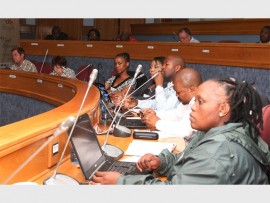
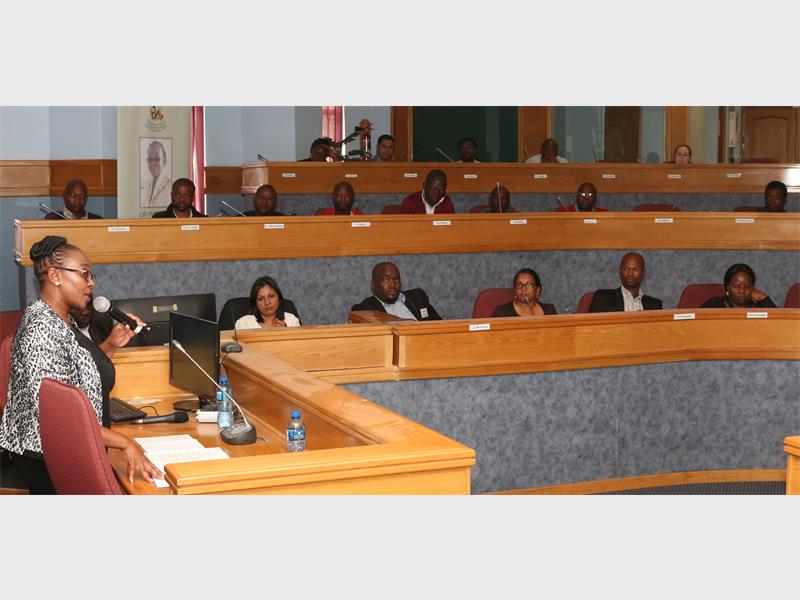
With this reality as motivation, the uThungulu District Municipality (UDM) called corporate, State, business, agriculture and other role players to an urgent summit at the uMhlathuze Civic Centre.
‘The Goedertrouw level is now at 23.6% and diminishing by one percent a week. We have until September until a total shutdown of the district, including the City of uMhlathuze and its industries,’ warned UDM Mayor Thembeka Mchunu.
Buy-in was sought for the funding and fast-tracking of an urgent upgrade of the Tugela Transfer Scheme which would increase the water flow from the present 1m3 per second to 2.4m3 per second.
The 6-8 month project, which will cost as much as R260-million, was first mooted by Richards Bay Minerals in consultation with local utility Mhlathuze Water and the UDM.
‘As one of the highly water-dependent industries, our productivity and product quality are being severely compromised by the drought,’ RBM General Manager: Communities & Corporate Relations, Fundi Dlamini told the summit.
‘We previously relied on rain and water from Nhlabane and Imfolozi, but these sources are now dry and we are reliant on Goedertrouw like everyone else.
‘We met in February and reasoned that, since we had to invest in infrastructure for ourselves, why not rather invest in something for the entire region?
‘In addition to committing to sharing the funding, we will also second engineers to the project.’
Other corporates also pledged financial or technical support as Mhlathuze Water and RBM work on the business plan to submit to the Department of Water & Sanitation, who are reported to supportive of the Tugela Transfer Scheme upgrade.
They will press for the necessary licencing permits to be issued speedily.
Picture of crisis
UDM Municipal Manager Mandla Nkosi painted a dire picture of the present water situation and of the UDM’s interventions during the crisis.
‘The drought is severe and 80% of our schemes are at a brink of failure.
‘The UDM can no longer afford to fund the water tanker programme and immediate financial assistance is required in this regard.
‘We call upon all relevant stakeholders, including industry, to join efforts to alleviate the negative effects of drought,’ said Nkosi.
‘A consolidated business plan was submitted to Cogta and DWS for their approval which included the following activities: refurbishment of old schemes; implementation of transfer schemes from privately owned dams and rivers; re-instatement of old boreholes; installation of small water treatment package plants; dam desalination and de-sludging.
‘We are awaiting approval of the Business Plan by both DWS and COGTA,’ said Nkosi.
Future measures
A number of medium- to long-term infrastructure plans are also on the table. These include:
• Raising of existing dam walls
• A dam on the Umfolozi River will soon go to tender
• A feasibility study in progress for a dam on the Enseleni River
• Construction of off-channel dams and storage facilities
• Various desalination options – although all agreed this would push the cost of water beyond affordability for most users.