Peat fire chokes mom-to-be
‘I feel like I am being smothered and I’m scared about the effects on my unborn child.'
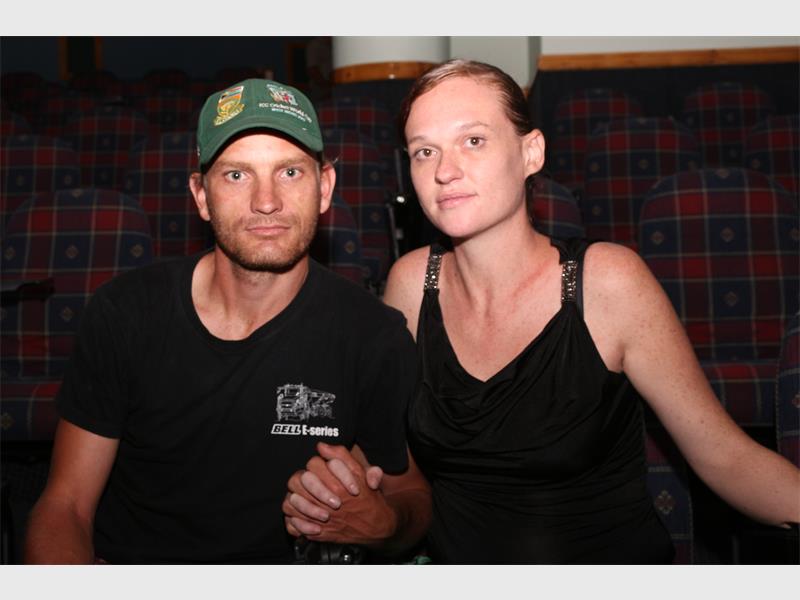
UNABLE to use to her chronic medication owing to her pregnancy, a suffocating Wildenweide woman is being forced to flee her home at night to catch some sleep at Naval Island.
Jenny Duvenhage and her husband Hennie were part of a large group who attended a peat fire public meeting on Wednesday night, where she shared her awful story of how the fire that started on 1 April has affected her health and lifestyle.
‘We have been married for two years and after trying immediately for a child we got the good news that I was pregnant.
‘Being a chronic asthma sufferer, my doctor recommended I scale down on my medication as it could affect the child,’ said Jenny.
‘Already battling to breathe – I was having up to three attacks a day owing to the humidity and was even hospitalised – things got far worse once the peat fire started close to our Duikerdraai home.
‘I feel like I am being smothered and I’m scared about the effects on my unborn child.
‘My husband takes me down to Naval Island so I can get a few hours sleep.
‘I just don’t know what to do!’
While not as badly affected, scores of other residents shared their battle against the thick, acrid smoke and odour they encounter every time the wind blows from the north, especially during temperature inversions when the weather is cool.
The bad news is: it is likely to take as long as four months before the peat fire burns itself out and residents will have to continue keeping doors and windows closed and sealed.
Dangerous
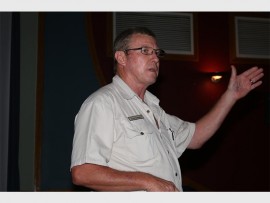
‘This particular fire is burning over a five hectare area and there is very little that can be done to extinguish it,’ said Zululand Fire Protection Association manager Tony Roberts, who together with Mondi Forests and the Richards Bay Clean Air Association shared an excellent presentation on the peat fire phenomenon.
‘Even using water bomber aircraft it would take millions of litres at massive cost and it would still not even reach the underground fire.
‘The best we can do is isolate it by digging trenches to prevent it from spreading.’
Roberts added that tackling peat fires, which can reach over 400° Celsius, was extremely dangerous as the ground often gave way beneath fire fighters.
‘Peat is made up of layers of organic material that solidified over millions of years, much like coal and anthracite, with high carbon and low oxygen content.
‘Under certain conditions, especially from human actions such as smoking out bee hives and burning cables, fires spread to the peat layer.’
Peat is often removed and used as a source of fuel energy, which was considered detrimental to the environment.
‘Peat lands are associated with wetlands and our greenbelt areas, and are vital to the ecosystem,’ said Roberts.
A decision was made to map and delineate all peat areas in the region, to prevent future building encroachment.