
Digital scams on the rise
Fraud cases conducted over the internet continue to rise
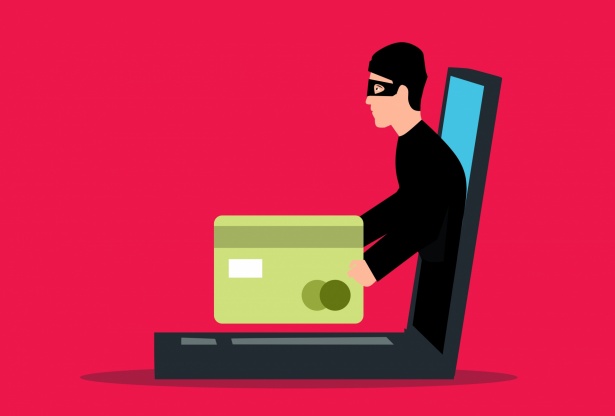
REPORTED cases of fraud through internet, social media and email scams continue to rise, according to Richards Bay SAPS.
Spokesperson, Captain Debbie Ferreira said the public is being targeted by unscrupulous fraudsters who lure their victims through false advertisements, requesting them to make payments via transfers or deposits before viewing or receiving goods.
ALSO READ: Don’t walk alone at night – Mtubatuba SAPS
Ferreira said people must verify the seller’s details and information and, where possible, rather conclude transactions in person when responding to social media offers.
‘If you respond to advertisements for vehicles for sale, for example, it is advisable to visit the dealership or seller in person to inspect the vehicle before concluding the deal and making any payments.
‘When purchasing items online, ensure you use reputable sites and verify all the details.
‘It the deal seems too good to be true, it usually is and caution must be exercised,’ said Ferreira.
Email scams
Ferreira highlighted a scam in which business emails are being compromised through impersonation attacks.
This scam targets specific employees in organisations who are authorised to transfer funds or make payments.
Digital technology enables criminals to perpetrate this type of crime, and criminals use information from company websites to impersonate chief executive officers, financial directors and senior individuals before targeting their employees with emails requesting urgent payments to specific beneficiaries.
‘Staff must be vigilant about checking their seniors’ email addresses thoroughly should they receive an email instructing them to make a payment.
‘Often the falsified email address may differ by one or two characters, which at first glance seems genuine.’
‘Companies must put in place robust policies and procedures with stringent checks as well as educating staff about fraud risks,’ said Ferreira.
‘Any unplanned or urgent payment instruction must be questioned. Any request for a change in beneficiary account details should be verified.
‘Never give your confidential details to strangers, no matter how convincing they seem.
‘When dealing with uninvited contacts or unknown people or businesses over the phone, by mail, fax, email, in person or on social networking sites, always consider the possibility that the approach might be a scam.’
Obtaining personal information such as passwords, identity numbers and credit card details by calling, sending emails or cell phone messages that look like they come from trusted sources such as banks or legitimate companies, are other methods criminals use to lure private information from unsuspecting victims.
Typically, these emails or cell phone messages request that users click on a link in the email, which will direct users to a spoofed website – a site designed to fool users into thinking that it is legitimate to obtain, verify or update contact details or other sensitive financial information.
HAVE YOUR SAY
Like our Facebook page and follow us on Twitter.
For news straight to your phone invite us:
WhatsApp – 060 784 2695
Instagram – zululand_observer