
WATCH: Underwater Richards Bay dolphin research is back in tune
Specialised equipment for Richards Bay Humpback Dolphin Project to resume marine research
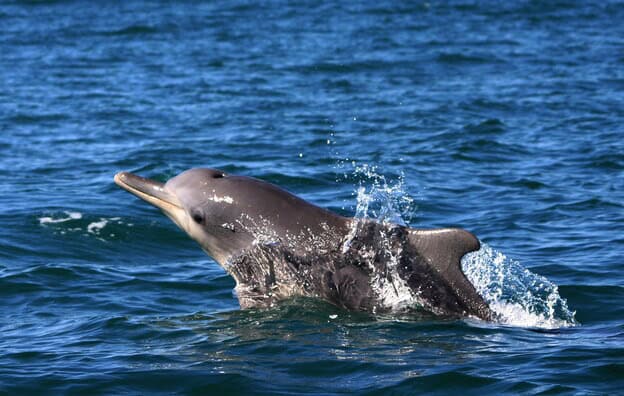
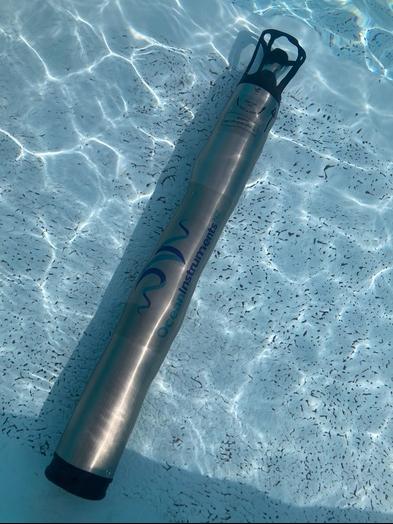
After a lengthy break in acoustic monitoring, the Richards Bay Humpback Dolphin Project deployed its new hydrophone this week.
The specialised equipment was generously sponsored by Richards Bay Coal Terminal (RBCT), whose support has enabled the team to resume an important component of its long-term marine research.
ALSO READ: Shedding light on awareness, conservation efforts into Richards Bay’s endangered humpback dolphins
“We are extremely grateful to RBCT for making this possible,” said dolphin researcher Dr Shanan Atkins, now based at the University of Pretoria Mammal Research Institute’s Whale Unit.
“A hydrophone allows us to listen beneath the surface and gather information that cannot be obtained through visual observations alone. RBCT’s sponsorship has restored an important part of our research programme.”
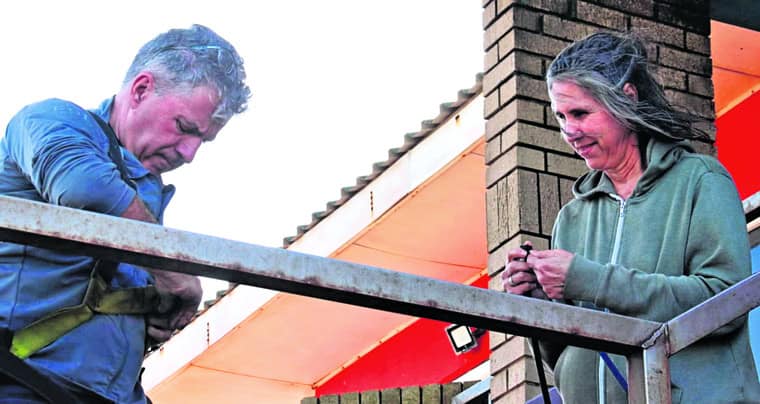
The hydrophone was deployed with practical assistance from the KZN Sharks Board, whose team helped the researchers place the equipment safely in the water.
A hydrophone is an underwater microphone that records the marine soundscape. Its recordings can capture sounds produced by whales and dolphins, noise from boats and ships, and a variety of other natural and human-generated sounds.
Listening in on the whales
The timing of the deployment is particularly exciting because humpback whales are currently migrating past the KZN coast.
Male humpback whales produce long and complex songs during the breeding season, and these songs change over time.
Since 2017, the Richards Bay researchers have contributed recordings to a major international collaboration studying humpback whale song across the Indian Ocean.
ALSO READ: Green group raises voices for dolphins
The collaboration brings together acoustic data collected in Mozambique, Tanzania, Kenya, Madagascar, Réunion, Mauritius, Mayotte and Australia.
By comparing recordings from different regions, scientists can investigate how whale songs spread across the ocean, how quickly they change, and whether whales in widely separated populations are singing similar versions of the same song.
Analysing dolphin communication
The new hydrophone will also provide valuable information about the dolphins living along the Richards Bay coast.
Dolphins produce echolocation clicks, which help them navigate and locate prey, as well as whistles that play an important role in communication.
A student working with the project will use the new recordings to catalogue the acoustic repertoire of the area’s dolphins.
Previous research suggests that Indian Ocean humpback dolphins, like the better-studied bottlenose dolphins, may produce ‘signature whistles’.
These are individually distinctive calls that function in a manner similar to names, allowing dolphins to identify themselves and maintain contact with one another.
ALSO READ: Alkantstrand offers rare glimpse of endangered humpback dolphins
The research team is also particularly interested in how dolphins respond to underwater noise generated by passing boats and large ships.
“Richards Bay is both an important industrial port and a significant habitat for the endangered Indian Ocean humpback dolphin,” said Dr Atkins.
“Understanding whether vessel noise changes the frequency, timing or characteristics of dolphin calls could help researchers assess how dolphins cope with an increasingly noisy underwater environment.
“The hydrophone will continue recording, even when researchers are not physically present, providing a valuable window into what happens beneath the surface by day and by night.”
For the research team, hearing the underwater world of Richards Bay again marks an important milestone.
“The recordings will contribute both to local conservation research and to our understanding of marine mammals across the wider Indian Ocean,” notes Atkins.
Don’t have the ZO app? Download it to your Android or Apple device here:


HAVE YOUR SAY
Like our Facebook page and follow us on Twitter.
For news straight to your phone invite us:
WhatsApp – 060 784 2695
Instagram – zululand_observer
TikTok – @zululand_observer