Salvation Army concerned about human trafficking spike
Captain Juanita Wright, the Salvation Army’s anti-trafficking co-ordinator, said the organisation is experiencing an increase in calls for help regarding human trafficking.
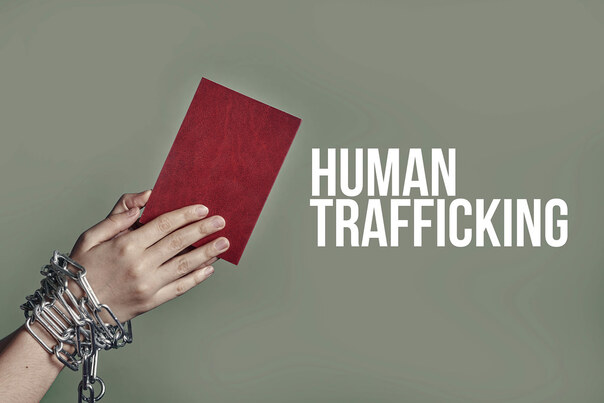
THE Salvation Army has expressed serious concern about an apparent spike in human trafficking, brought to its attention over the past three months.
Captain Juanita Wright, the Salvation Army’s anti-trafficking co-ordinator, said the organisation is experiencing an increase in calls for help regarding human trafficking.
ALSO READ: Police on a mission to curb crime this winter
‘Our helpline receives up to a dozen calls every week, 80% of which are related to human trafficking.’
‘We appeal to people to be far more vigilant about human trafficking. It is real and it is happening in our society to people of all ages. If an offer of employment sounds too good to be true, it probably is,’ said Wright.
‘There are still far too many people in our communities who don’t really believe that human trafficking is happening, or that they or their families can become victims.’
Information received from calls to the Salvation Army’s helpline is directed to one of its network partners for follow-up and investigation. Calls can also be directed to the national hotline number 0800 73728.
‘People most vulnerable to human trafficking are children, teenagers, young women, refugees, job seekers and people living on the street. These people are preyed upon in various ways and are literally tricked into going somewhere with their traffickers, and subsequently held against their will,’ Wright said.
She offered the following guidelines for the public to help combat human trafficking in their communities:
* Tell your friends and neighbours how to protect themselves from being trafficked
* Learn to recognise trafficked persons. They are often unable to speak the local language and appear to be trapped in their job or the place they stay
* They may have bruises and other signs of physical abuse
* They do not have identification documents (passport, ID, refugee or asylum papers)
* Report places where you suspect trafficked people are kept (for example brothels, farms, factories, shebeens) to the local authorities and the media
* Report people you suspect may be traffickers to the local authorities (police, NGOs) and the media
HAVE YOUR SAY
Like our Facebook page and follow us on Twitter.
For news straight to your phone invite us:
WhatsApp – 060 784 2695
Instagram – zululand_observer