
Conservation funding crisis in the spotlight
Public-private partnerships cited as crucial for conservation efforts to be adequately funded
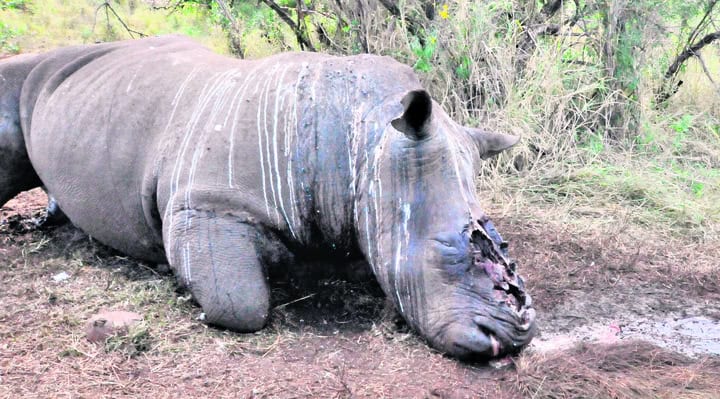
South Africa’s conservation funding gap is structural, not temporary, with private funding crucial to its survival.
This is the sentiment of Michelle Pengilly, founder and CEO of Wild Wonderful World.
Pengilly says, even with full government allocation and no mismanagement, funding for protected area management meets only 10 – 20% of actual management needs.
ALSO READ: Rhino poaching declines at Hluhluwe-iMfolozi Park
This is according to IUCN research, published in 2020 during the height of the Covid-19 pandemic.
“Every few months, another headline declares that South Africa’s parks are starving for funding. Government is failing, private donors are filling the void, and conservation depends increasingly on the private sector,” said Pengilly.
“Private funding is not propping up a broken system while we wait for it to be fixed. It is a permanent structural component of any viable conservation model in 21st-century Africa.”
Referring specifically to Ezemvelo KZN Wildlife parks, Pengilly said around 40% of the conservation entity’s R1bn annual budget comes from tourism, the rest from a provincial grant.
ALSO READ: ‘Historically significant’ rhino dehorning operation under way at Hluhluwe-iMfolozi Park
“So when Treasury cuts the grant, as it did by R108m in 2017/18 alone, there is no commercial (tourism) buffer to absorb the shock,” she said.
Quoting unnamed staff on the ground, Pengilly said, with the cost of everything having doubled, there is insufficient funding for the entity’s full conservation mandate.
“Rhino translocations to other game reserves, which used to bring in a lot of money, have collapsed due to rhino poaching. Wildlife diseases like foot and mouth have also massively affected game sales and therefore conservation funding,” said Pengilly, quoting a source.
Funding shortfall
The necessary increase in rhino anti-poaching efforts, as one example, has driven up the cost of conservation, widening the funding gap, says Pengilly.
She said public-private partnerships are crucial for conservation to be adequately funded, citing Ezemvelo’s rhino dehorning operation at Hluhluwe-iMfolozi Park (HiP) as an example.
ALSO READ: Rhino Ops: Hope from the horn
“Some 352 rhinos were poached in South Africa in 2025, with 266 on State properties,” she said.
“HiP, once the epicentre of the crisis, saw losses drop from 198 in 2024 to 63 in 2025.
“Ezemvelo credited collaboration with WWF-SA for the main dehorning project in 2024 in HiP, with African Wildlife Vets, Wild Wonderful World, Save the Rhino International and Wildlife ACT co-funding the maintenance dehorning in 2025.”
She said strategies for protected areas to become more self-sustainable must be implemented, and a national conservation finance framework put in place.
She added that this would ‘map every funding stream in a single public register, set shared performance metrics across all three sectors, anchor priorities in conservation science rather than marketing’, among others.
Ezemvelo responds
“Ezemvelo, like many other government departments and public entities, would certainly benefit from additional funding,” said spokesperson Musa Mntambo.
“It is true that our budgets have been reduced in recent years, requiring us to adapt and find innovative ways of delivering on our conservation mandate.
“Conservation is an ongoing responsibility, and the need for resources will always remain significant.
“While we may never reach a point where all our funding needs are fully met, we are deeply appreciative of the financial support we receive from government, as well as the valuable contributions and partnerships provided by various external institutions, donors and NGOs.
“Their support continues to play an important role in helping us protect and conserve our natural heritage for current and future generations.”
Don’t have the ZO app? Download it to your Android or Apple device here:


HAVE YOUR SAY
Like our Facebook page and follow us on Twitter.
For news straight to your phone invite us:
WhatsApp – 060 784 2695
Instagram – zululand_observer
TikTok – @zululand_observer