
How South Africa’s rotting food waste is driving climate change
Environmental concerns, as food waste dumped in landfill sites generates methane gas
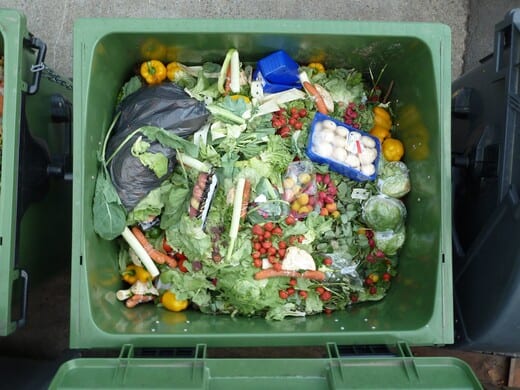
One third of all food produced in South Africa ends up in landfill sites.
This accounts for 10.3 million tonnes, which in turn equates to a staggering R62bn – while 20% of the country’s households experience moderate to severe food insecurity.
These startling figures represent the country’s most up-to-date data, but are by no means recent.
The R62bn figure is according to a 2013 study, while the 10.3 million tonnes was garnered from a 2014-2018 study.
Paul Jones, an economist within the green and circular economy space and MD of Durban-based economic consultancy Lumec, has been working on updating these figures – information which is set to be published in the coming weeks.
But perhaps the most startling of all, is the fact that food waste dumped in landfill sites generates methane gas, adding to the country’s greenhouse gases and contributing to climate change.
The more concern is placed on climate change in the coming decades, the more emphasis must be placed on cutting methane emissions.
This is according to the MIT Climate Portal, which explains that methane gas is short-lived but has far greater heat-trapping potential than carbon dioxide.
“Methane gas is 28 times more potent than carbon dioxide,” warned Jones.
This comparison is made over a 100-year period, because the structure of methane gas allows it to trap significantly more infrared heat radiation in the earth’s atmosphere.
“While a large portion of South Africa’s food waste occurs at the harvest and storage chain stages, there is a lot that households can do to lessen our food waste,” continued Jones.
“The most pivotal thing is not to put food waste in with general household waste.
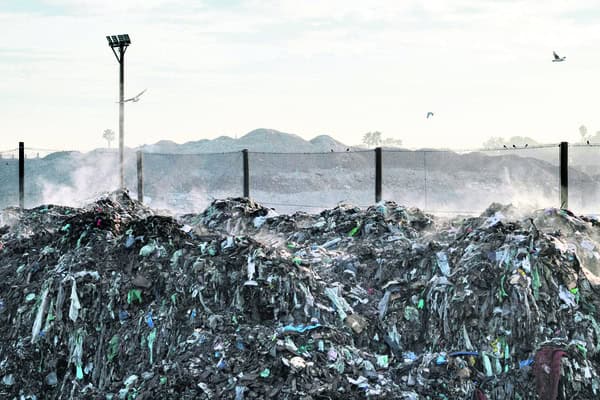
“This contaminates recyclable materials and, once in the landfill, emits methane gas,” he explained.
Mirroring this sentiment, Dr Lize Barclay, Senior Lecturer in Futures Studies and Systems Thinking at Stellenbosch Business School, in an article published in The Big Issue magazine in April, said 90% of South Africa’s waste ends up in landfill sites, of which 27% is organic waste.
“Food waste is not just about throwing away a bruised strawberry,” she said.
“It is a complex systems issue that touches water usage, energy, land, climate and, ultimately, human dignity.”
While the greenhouse gases emitted by rotting food in landfill sites intensify climate pressure globally, the impending environmental catastrophe is not necessarily front of mind for most people, especially amid the current cost-of-living crisis.
Monitoring food waste at the household level can have a two-fold impact.
“Reducing food waste is one of the most immediate and practical ways individuals can contribute to easing pressure on energy, water and land, while also saving money,” explained Dr Barclay.
Prevention is best
The food waste hierarchy ranks solutions to food waste, from the most to least favourable.
• Prevention: The most favourable; people are urged to reduce food waste in the first place. This includes better meal planning and mindful shopping.
• Redistribution: Donating surplus edible food to food banks, charities, or people in need.
• Animal feed: Divert safe food scraps and by-products to be used as agricultural feed for livestock.
• Recycling/composting: Convert inedible food waste into nutrient-rich compost or soil fertilizers.
• Recovery (energy): Use anaerobic digestion or biomass processes to break down food waste and generate biogas for electricity and heat.
• Disposal: Send food waste to a landfill. This is the least favourable option owing to the greenhouse gas effect.
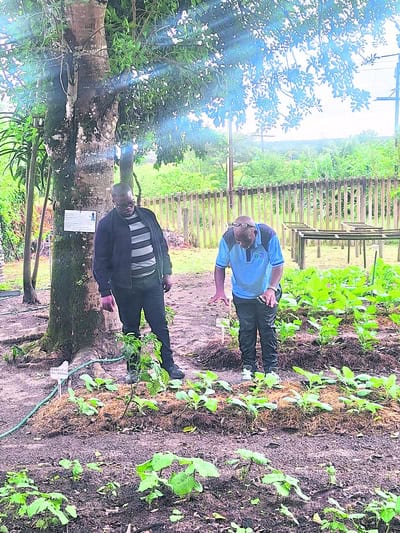
Amangwe Village, which runs its own food garden, encourages Zululanders to drop off compostable food waste at their premises in KwaMbonambi.
“We gladly welcome food waste products for composting purposes for our organic food garden,” said Amangwe manager Nosipho Xulu.
“This will greatly assist in improving the fertility of our soil and help us grow healthy vegetables without the use of chemicals.”
“Addressing food waste requires only awareness, intention and small, consistent actions,” continued Dr Barclay. “When multiplied across households, these actions can shift the system.”
Anyone wanting to lessen their carbon footprint by composting food waste, the bokashi bin is a good starting point.
For more information, visit www.bokashishop.co.za
Don’t have the ZO app? Download it to your Android or Apple device here:


HAVE YOUR SAY
Like our Facebook page and follow us on Twitter.
For news straight to your phone invite us:
WhatsApp – 060 784 2695
Instagram – zululand_observer
TikTok – @zululand_observer