
The process of acquiring barcodes in South Africa
Looking to buy barcodes for your business in South Africa?
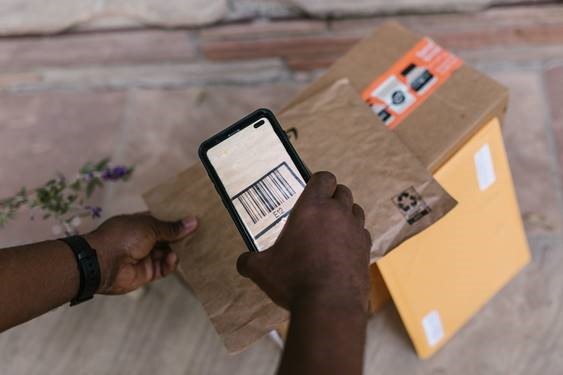
Once you have decided that you want to incorporate barcodes onto your products, what is the next step? How many barcodes do you need and how do you go about acquiring barcodes and barcoding your products? The first step is to decide which type of barcodes will best suit your needs. There are many different kinds of barcodes and knowing which ones will work best for you is critical.
1D (linear) Barcodes
Chances are, you are looking for what most retailers in South Africa require – the EAN & UPC barcodes. These retail barcodes are found on your usual everyday products such as food, clothes, toys, etc. You will only need one unique barcode for each unique product you offer – so each variation of your product will need its own barcode, while the exact same products will have the exact same barcode.
Some retailers may also require that you have ITF-14 barcodes, which are used to supply products in bulk. These barcodes are also called case or box barcodes and are attached to a box indicating exactly how many individual items the box contains. The ITF-14 barcode is linked to the EAN / UPC barcode of the individual products. For example, if you are supplying wine in bulk, each wine bottle will have a UPC / EAN barcode and the case that the wine bottles arrive in will have the case barcode.
If you are publishing a book or magazine, you will also need barcodes. In this case, you are looking for ISBN and ISSN barcodes. You will first need to acquire an ISBN / ISSN number for your publication from the national library before you acquire a barcode – the barcode simply enables you to sell your book or magazine in stores. The barcode itself is linked to the ISBN / ISSN of your publication.
2D Barcodes
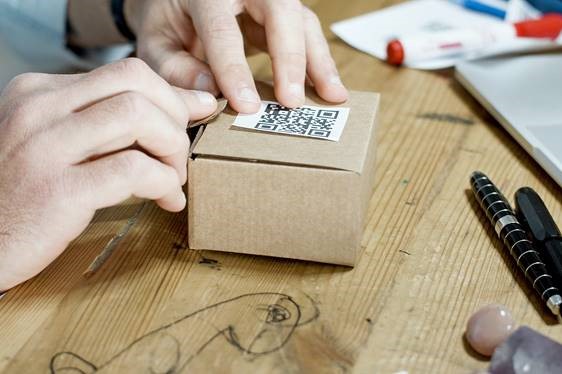
Another barcode you may want to introduce to your business is a QR Code. This is a two dimensional barcode that is able to store more information than the more common one dimensional barcodes, such as the EAN / UPC barcode. Customers can scan this QR code with their mobile phones to access the information stored within.
This barcode can be used to promote your business, for example by linking your customers to a URL where you can inform them of any specials or promotions. They will also be able to find out more about your business and what you offer.
This code can also be used in mobile payment applications, such as Snapscan. Customer banking details are loaded onto the app and by simply scanning the QR code they can make a payment to you.
Where to get barcodes in South Africa
Once you have decided on what kind of barcodes you need, you will need to find a reputable barcode reseller to purchase these barcodes from. Without these resellers, you would have to buy barcodes directly from the international organisation GS1, which involves a costly process of membership fees and annual renewal fees for each barcode that you “buy” from them.
Locally, SA Barcodes has served South African customers for over a decade and is more than able to provide you with all your barcode needs. SA Barcodes provide fully registered and unique EAN & UPC barcodes that come directly from the international GS1 barcode database, without the need for renewal fees – barcodes that you buy belong to you forever.