September is childhood cancer awareness month
CHOC (Childhood Cancer Foundation SA) spreads awareness of the early warning signs of cancer, which could potentially save the life of a child or teen
GOLD September is an annual campaign held worldwide to raise awareness of childhood cancer.
There are many advances in paediatric oncology, yet cancer remains a leading cause of mortality among children.
ALSO READ: Proposed sugar tax increase will lead to more rural job losses
It is imperative that children are diagnosed early for effective treatment of early-stage disease, which will translate into favourable outcomes and improved overall survival.
Many factors are responsible for delays in childhood cancer, including the child’s age, the family’s socio-economic status, parental educational level, distance of residence from the hospital, cancer type, site, and stage.
Many children in low- and middle-income countries have poor access to hospitals, which in turn lack essential diagnostic tests, experience a shortage of nursing medical and surgical personnel, inadequate and erratic supply of basic pharmaceutical and chemotherapeutic agents, and an absence of radiotherapy, surgical and intensive care facilities.
These are but some of the factors which contribute to patients presenting with advanced disease and resultant poorer outcomes.
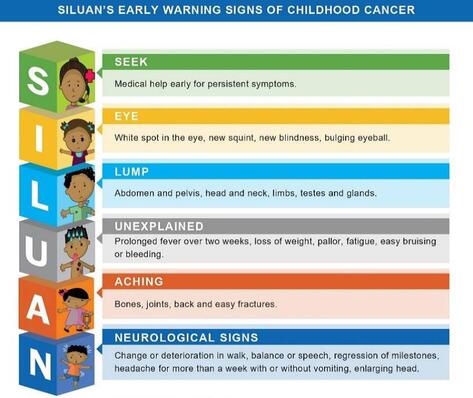
That is why this month the community is encouraged to be a voice of hope and collaborate with healthcare workers, non-profit organisations, and the Department of Health to spread the Siluan Warning Signs for early cancer diagnosis.
The Siluan Warning Signs for childhood cancer were adopted by the South African Children’s Cancer Study Group and the national Department of
Health to promote the early detection.
This could possibly save the life of a child or teenager. If you are concerned your child may have cancer, please refer your child or teenager here: https://choc.org.za/choc-patient-referral-pathways/
Early detection
It is imperative to focus on non-communicable diseases such as childhood cancer and identify these diseases early, have access to the correct diagnostics and therapeutics, and ensure the availability of supportive care to improve overall survival of our children with cancer.
The burden of the SARS-CoV-2 virus is further testing the fragile African healthcare systems.
Many caregivers are unemployed owing to national lockdown, there are inadequate transport systems, and caregivers are afraid to venture out of the safety of their homes to seek healthcare as the ever-present danger of contracting Covid-19 lurks.
Sadly, we may experience even further delays in the diagnosis and treatment of cancer during the global SARS-CoV-2 pandemic.