
Why you’re battling to stick to your New Year’s resolutions
How to achieve your self-care goals in 2022
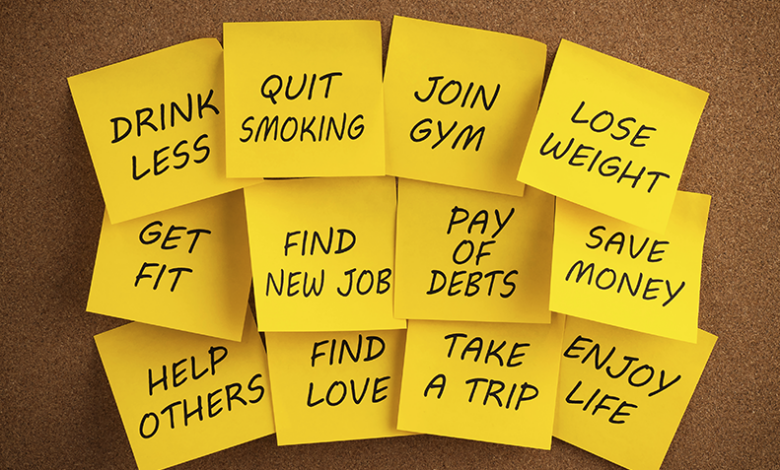
Wouldn’t it be great if your commitment to your New Year’s resolutions kicked in right after the countdown to 1 January and maintained momentum until the end of the year?
We’d all be rich, motivated and fit. But, for most of us all that motivation withers by February.
How do you ensure your 2022 self-care goals don’t suffer the same fate? By understanding why New Year’s resolutions fail, by using strategies that have been shown to work, and by leveraging all of the various tools available to make it easier for you.
Why resolutions fail
While more than 40% of people make New Year’s resolutions, less than 10% achieve them. This is as a result of:
• Doing it alone
• Setting unattainable or unrealistic goals
• Not giving the goals enough time to manifest
• Related expenses being too high
• Not having a plan
• A lack of commitment
• Absent or inadequate self-belief
Tim Pychyl, an associate professor of psychology at Carleton University, says New Year’s resolutions are a form of culturally prescribed procrastination.
This is because you’re not necessarily going to feel like sticking to your goals on 1 January – but for now, the noble intention that you’re going to do something feels good.
This doesn’t mean we should scrap New Year’s resolutions altogether. Pychyl says the notion of starting again is very important. Besides, people who make yearly goals are 10 times more likely to attain them than those who don’t.
Improving your success
Making your 2022 self-care goals work means changing your thinking. But you can’t just think, ‘Stop smoking’, because the term ‘smoking’ relies on existing neural pathways in your brain.
These pathways, like the route through a field, become more pronounced and easier to use the more they’re walked on.
So you need to create new connections by reinforcing thoughts like ‘easy breathing’, ‘fresh-smelling breath’ and ‘a long, healthy life with my family’.
Instead of thinking about the ‘New you’, rather ask, ‘What’s the New Me going to be doing?’.
Abstract goals like losing weight, exercising more, saving money and spending less don’t mean very much because they’re too vague.
The key to an effective resolution is specificity: decide what exercise you’re going to do and when, as well as what self-care strategies you plan to use. This pre-commitment to specific acts may change your behaviour and help you achieve your goals.
Now – or whenever
1 January is a convenient date to start working on new goals, but you need to be ready to make changes in your life – and that doesn’t always magically happen on New Year’s Day.
You’re much more likely to achieve your goals if they reflect your personal values and interests, rather than the pressures and expectations of society. In other words: set goals according to you, not according to a moment in time when everyone believes you should.

Goal-keeping tools
There are many apps and digital tools available to help you take better care of yourself and your family in the new year.
These include:
• Strides Habit Tracker
• Noom
• Smoke Free
• Streaks
• Way of Life
• Mint
• Todoist