
Common pregnancy-related skin problems
In support of Pregnancy Awareness Month in February, Melomed will be offering a free workshop for all expecting parents delivering at a Melomed hospital
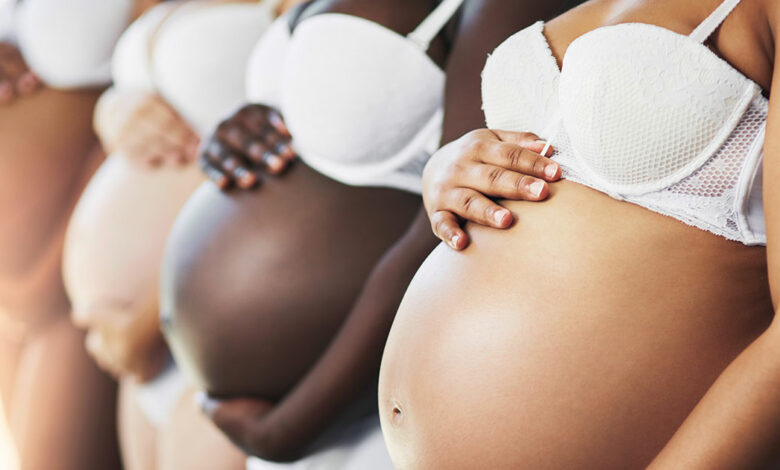
Pregnancy is seen as one of the most natural experiences in womanhood. However, the bodily changes that earmark every trimester of pregnancy can sometimes feel far from ‘natural’. As your body changes, most women feel uncomfortable, irritable, and even depressed.

In my practice, skin-related conditions can be the cause of a lot of angst, especially when we have always been told about the ‘glow of pregnancy’. And as an Obstetrician- Gynaecologist going through pregnancy myself, I can say that everyone experiences it differently and, fortunately, most of these ailments resolve postpartum, with only a small percentage requiring medical treatment. Skin-related conditions in pregnancy can be hormone-related or pre-existing (present before pregnancy)
Hormone related changes:
- Stretch marks (eeeeeeek!)
Stretch marks develop in up to 90% of pregnant women by the third trimester. Pregnancy causes your skin to stretch faster and more than usual, particularly in the abdomen, breasts and thighs. Hormonal factors affect the skin’s elastic fibres and, together with rapid stretching, induces thinning of the skin. Initially, they may appear as reddish or purple lines or bands. After pregnancy, they gradually fade and become silvery white. Sadly, there is very little evidence to support the use of stretch mark cosmetics. Instead, avoiding rapid weight gain, and basic skin care such as moisturising, may minimise their appearance and stretch.
- Melasma
These are areas of your skin that appear darker, and is often one of the first signs that you’re pregnant. Up to 90% of expectant moms find that their nipples and surrounding skin darken. Other pigmented areas, such as moles and freckles, may darken too. Not to worry though, as these changes often lighten with time. Brown or grey patches of pigmentation on the forehead, cheeks and neck are known as chloasma or melasma. These are caused by normal pregnancy hormonal changes and the condition is exacerbated by sun exposure. Through wearing broad-spectrum (UVB and UVA protection) with sun protection factor (SPF) of at least 30, as well as sun protective clothing and limiting exposure to the sun, this fades within three months of baby’s birth, though one in 10 women find that the patches persist. The use of a tinted foundation may be useful in camouflaging the patches to your general skin tone, and medical therapy can be prescribed postpartum.
- Linea nigra
This is a vertical, hyper pigmented (darkened) line that appears down the middle of the abdomen. This brownish streak is usually 1cm wide, crosses the navel, and is induced by normal hormonal changes. Pigmentation usually appears around the fifth month of pregnancy and disappears several months after delivery.
- Skin tags
Skin tags are common, soft, flesh-coloured growths that primarily affect the eyelids, neck, armpits and under the breasts. These growths are not cancerous and will not affect the health of the baby. Persistent tags can be removed via a simple procedure postpartum.
- Spider veins
Changes in oestrogen production are normal in pregnancy and can cause dilation, proliferation, and congestion of blood vessels. These changes primarily affect the face, neck and arms during the first and second trimesters, and regress postpartum.
Pre-existing skin conditions
- Acne: Hormonal stimulation increases sebum production; a waxy, oily substance that can clog up your pores and lead to inflammation and breakouts. Pregnancy acne often resolves postpartum, and is not as severe. During pregnancy, stay away from certain acne therapies like Isotretinoin, Tetracylines and hormonal therapies which increase the risk of birth defects and growth deformities. Safer options include topical azelaic acid, benzoyl peroxide (Benzac) and salicylic acid. Cleansing with a mild cleanser and lukewarm water, not picking pimples, keeping hair out of the face, using oil-free moisturisers and cosmetics, and removing make-up before bed will help remove excess oil, prevent clogging of pores, and accelerate healing of existing blemishes.
- Atopic dermatitis and psoriasis: Existing atopic dermatitis and psoriasis may improve or worsen during pregnancy. It is recommended that certain oral and topical medication is stopped before pregnancy, and consultation with your doctor is advised to adjust management.
Pregnancy-specific skin problems are abnormal skin concerns that require medical therapy. These conditions include:
- Polymorphic eruption in pregnancy (PEP) This is the most common pregnancy-specific skin problem. The disorder affects 1% of all pregnancies during the second and third trimesters. Extremely itchy, red patches develop on the abdomen, in and around stretch marks. The cause of the ailment is unclear, and it is neither contagious nor harmful to the mother or the foetus. Common associations include multiple or first pregnancies. PEP usually resolves spontaneously one to two weeks after birth.
- Atopic eruption of pregnancy Atopic eruption of pregnancy is a common, itchy eczematous disorder occurring in women who have an atopic background. The disorder responds rapidly to treatment, and is harmless to both mother and foetus.
- Pemphigoid Gestationis This is an autoimmune condition, chartered by intensely itchy, urticarial-like eruptions that form blisters on the abdomen during the second or third trimesters.
- Intrahepatic Cholestasis of pregnancy This is a pregnancy-induced liver disorder that presents in late pregnancy as severe itching without any skin signs. There is an increase in the risk of premature delivery, low birth weight, and intrauterine fetal demise. This condition requires urgent intervention by your Obstetrician.
From one mama-bear to another, pregnancy is not an easy journey…. but it is the most rewarding one. You are a superhero for being able to sustain life within you for 40 weeks. And that simple fact is what makes you amazing in every way. Enjoy, and all the best!
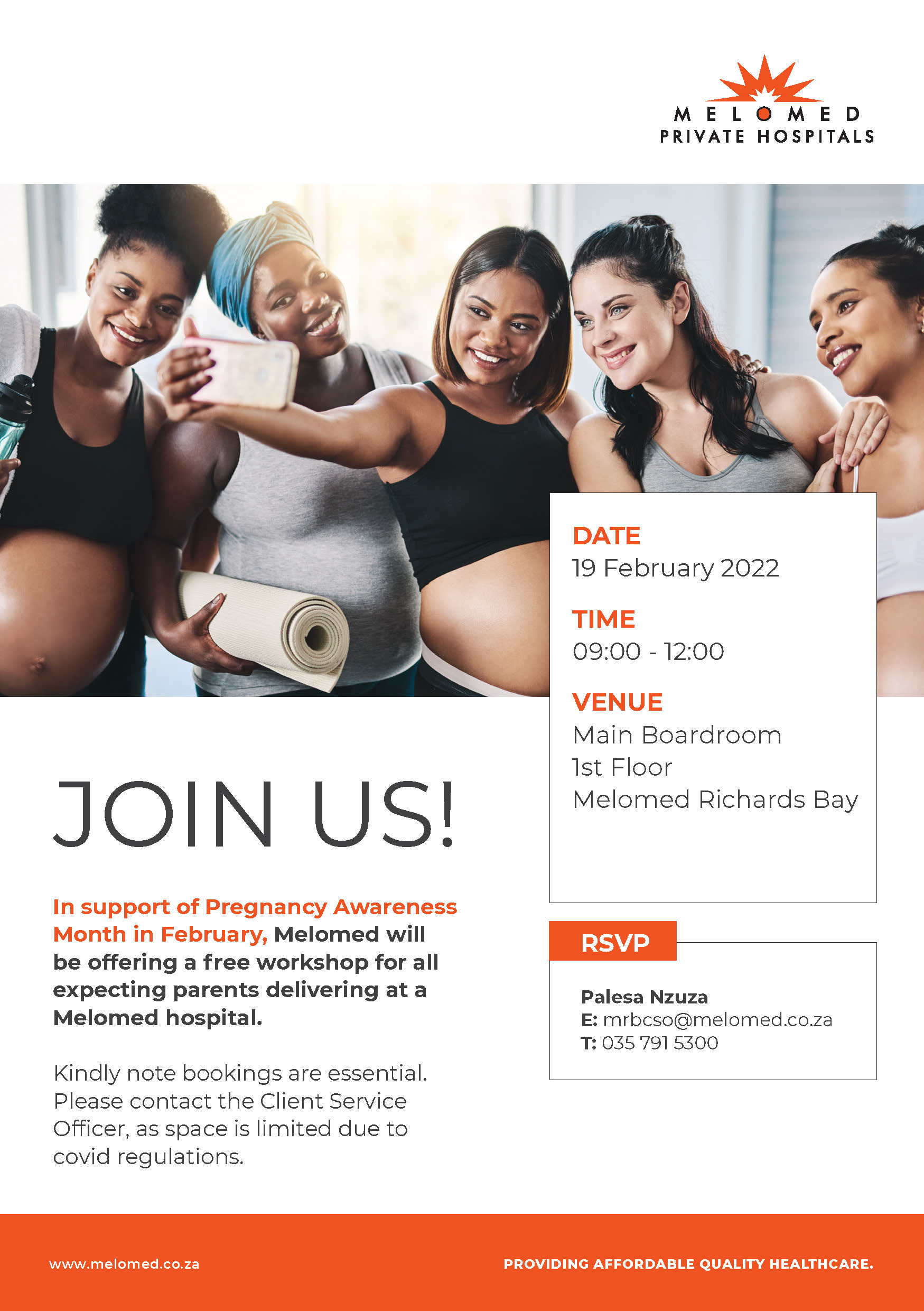 Book with Palesa Nzuza at mrbcso@melomed.co.za