
Northern KwaZulu-Natal: Where history, culture and adventure live
KwaZulu-Natal Tourism and Film is championing northern KZN this Heritage and Tourism Month. With Heritage Day on 24 September and World Tourism Day on 27 September under the theme 'Tourism and Sustainable Transformation', the focus on Zululand could not be sharper.
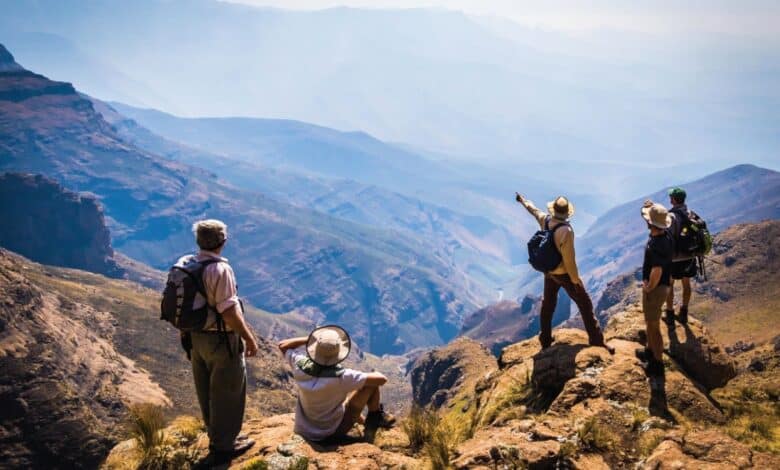
KwaZulu-Natal Tourism and Film invites South Africans and the world to head north – to connect with heritage, support local communities, and experience transformation through travel.
Why northern KZN?
- Sacred landscapes where Zulu monarchs are honoured.
- Battlefields where world history turned.
- Wetlands, wildlife, and coastlines alive with nature.
- Markets, theatre and adventure bringing communities to life.
This is a region where rhinos roam, where the earliest Zulu kings rest, where empires clashed, and where communities are creating new stories through adventure and performance.
Wildlife & Coastline
- Hluhluwe–iMfolozi Park – Africa’s oldest reserve, established in 1895. World-famous for saving the southern white rhino from extinction. Today it is home to the Big 5, wild dogs and over 400 bird species. Musa Mntambo of Ezemvelo KZN Wildlife says: “As part of our Tourism Month celebrations, the first 200 visitors each day will enjoy free entry to our facilities throughout September.’’
- iSimangaliso Wetland Park – South Africa’s first UNESCO World Heritage Site. Hippos stroll through St Lucia. You can find loggerhead and leatherback turtles nesting. Humpback whales breach offshore. The wetlands are alive with biodiversity.
- Tembe, Ndumo, uMkhuze & Kosi Bay – Tembe is home to Africa’s last great tuskers. Ndumo offers fever tree forests and birding. uMkhuze is loved for its fig forest walks and hides. Kosi Bay showcases Thonga fish trap heritage and crystal clear estuaries.
- Nseleni Nature Reserve (Richards Bay) – Popular for birdwatching, riverside views and family picnics.
- Port Durnford Beach – Wild coastline just south of Richards Bay. Untouched sands and the promise of new coastal developments that will attract fresh waves of visitors.
Sacred Zulu Heartland
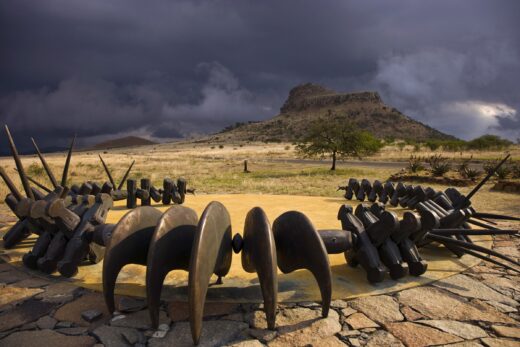
- Spirit of eMakhosini Valley of Kings – Sacred landscape 10km south of Ulundi. It stands as a monument honouring seven pre-King Shaka Zulu monarchs: uZulu, uNkosenkulu, uPhunga, uMageba, uNdaba, uJama, and uSenzangakhona (father of King Shaka). At its centre is a massive bronze beer pot, surrounded by 18 bronze reliefs depicting Zulu life, with seven horns symbolising the kings who are buried here.
- KwaZulu Cultural Museum & Ondini Royal Residence – A hub of Zulu culture in Ulundi. The museum houses artefacts, beadwork and interactive exhibits.
- uMgungundlovu Royal Kraal (Dingane’s Kraal) – Once home to 7 000 residents in 1 700 huts. Dingane’s capital from 1829–1838. The site where Piet Retief and 70 Voortrekkers were executed.
- Thembeka Zuma of the KwaZulu-Natal Amafa Research Institute says: “uMuzi Bushcamp near the KwaZulu Cultural Museum in Ulundi is where you can experience traditional Zulu culture first-hand. The camp features rondavels that allow you to immerse yourself in the spirit of the Zulu people… These sites offer authentic, immersive experiences that foster a deeper connection to our heritage for future generations.”
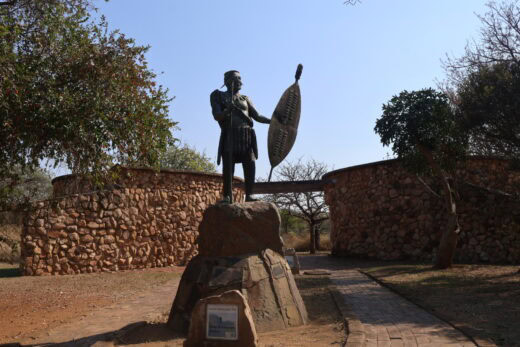
- King Cetshwayo Monument – Honouring a king who defended sovereignty and cultural pride.
- eShowe & Dlinza Forest – A misty forest with an aerial boardwalk. Fort Nongqayi Museum Village and the Vukani Collection showcase the best of Zulu art and mission-era heritage.
Battlefields of Legacy
- Isandlwana (22 January 1879) – A defining moment in South African and world history. Zulu warriors stunned the British Empire in a resounding victory that still symbolises African resistance to colonialism.
- Rorke’s Drift & Shiyane Centre (22–23 January 1879) – The mission station where 150 British soldiers fought off an assault by 3 000 to 4 000 Zulu warriors. Today, the Rorke’s Drift Museum preserves artefacts and offers self-guided trails. Memorials and cemeteries honour both British and Zulu fallen. Guided tours provide context, detail and the human stories behind the battle. It remains one of the most visited battlefield sites in South Africa, drawing thousands of international and domestic tourists every year.
Adventure & Rural Escapes
- Somopho Hills (Empangeni) – Adventure park offering hiking, running, mountain biking, quad biking and paintball. Its CEO, Lungisani Mthembu, says: “The farm also hosts camping, which is good for team-building and year-end parties for corporate and government departments.”
- Lake Jozini (Pongolapoort) – A water paradise for tiger fishing, houseboat stays and sunset game viewing from the water’s edge.
- Community Markets & Crafts – Across Zululand, rural markets brim with beadwork, baskets, wood-carvings and food stalls. Every purchase sustains livelihoods and preserves tradition.
- Theatre in Zululand – The King Cetshwayo Theatrical Society stages Hlala Ngentombi – The Musical. Written and directed by Wellington Makwakwa, with music by Dr Bhekani ‘Mbhexeshi’ Buthelezi of the University of Zululand. This isiZulu production features 70 local performers.
Past Lessons, Future Journeys
From the Valley of Kings to the battlefields of Isandlwana, from hippo-filled wetlands to community stages alive with rhythm, northern KwaZulu-Natal is a destination of transformation.
With KwaZulu-Natal Tourism and Film leading this campaign, the north is being celebrated not just as a place of history, but as a region where sustainable tourism creates new futures.
Plan your northern KZN journey today: www.visitkznsa.com