
Focusing on spinal health
World Spine Day on 16 October reminds us that simple daily habits like good posture, regular movement, and core strengthening are key to keeping our spine healthy and pain-free, a topic explored by Dr Sailesh Ragoo of Life Empangeni Private Hospital
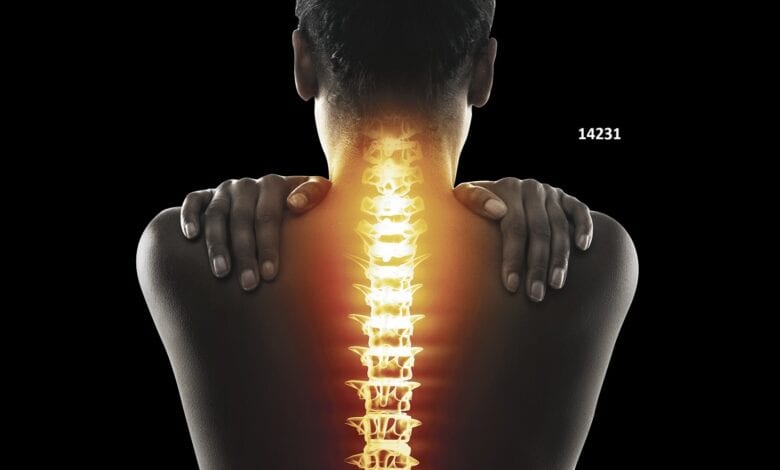
World Spine Day is commemorated annually on 16 October
The purpose of this health initiative is to promote positive spinal habits. The spine serves as the body’s central support system, enabling fundamental activities like sitting, standing, walking and bending.
Most of our daily actions hinge on the health of our spine. One in every four adults experiences back pain at some point in their lives, with mild to far-reaching consequences. Deformities or spinal ailments can lead to intense back pain and complications, significantly impacting one’s quality of life.
World Spine Day thus reinforces the message that spinal health is a crucial aspect of a person’s well-being.
Spinal health essentials
Taking care of one’s back means one should avoid certain activities:
- Prolonged sitting. Extended periods of sitting may cause back problems, and are even associated with health issues such as diabetes, heart disease, stroke, high blood pressure and high cholesterol
- Heavy lifting, pushing, or pulling are among the leading causes of spinal damage and should be avoided
- Poor posture or sitting in a chair that lacks proper back support can contribute to back pain.
Health experts advise that you strengthen your core to provide support to your abdominal and back muscles.
Maintain a healthy weight to alleviate pressure on the spine. Include essential vitamins and minerals, such as magnesium, calcium, vitamins D, K and A, iron and B-complex vitamins in your diet to boost bone and spine health.
Develop a habit of walking and standing at regular intervals. Invest in a firm mattress for a better sleeping posture.
Choose shoes with proper arch support.
Warm up or stretch before exercising or physical activities, such as gardening.
Avoid prolonged inactivity or bed rest. Sedentary behaviours can lead to deconditioning and reduced fitness that may make you more susceptible to back pain.
Lift with your knees, keep the object close to your body, and do not twist when lifting. Avoid excessively repetitious lifting activities.
Stop smoking. Smoking impairs blood flow, resulting in oxygen and nutrient deprivation to spinal tissues. It also increases coughing, which places additional stress on your back.
If working at a desk, ensure your workstation is ergonomically correct.
When using a cellphone, avoid excessive screen use, which can result in prolonged head and neck flexion.
Consider a good quality backpack with padded, adjustable straps, as opposed to a briefcase or other bag.
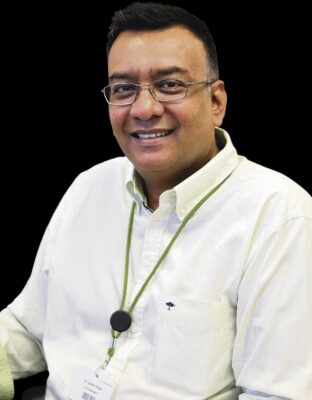
Life Empangeni Private Hospital is fortunate to have the in-house expertise of spinal orthopaedic surgeon Dr Sailesh Ragoo.
Dr Ragoo specialises in joint replacement surgery and foot and ankle reconstructive surgery. With 18 years’ service to the Zululand community, Dr Ragoo is a beloved and trusted orthopaedic surgeon for many local patients.
“My ultimate aim is to improve the quality of life and mobility of patients affected by musculoskeletal disease,” he said.