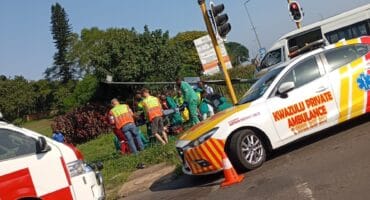
Paramedics issue road safety plea
Kekana says one of the most frightening and unpredictable dangers of driving on wet surfaces is aquaplaning

Paramedics are urging drivers to be cautious and alert to bad weather conditions as heavy rains are expected to continue.
This warning was issued by Netcare 911, calling on drivers to be aware of possible risks while offering practical tips for preventing accidents.
“Every year, emergency medical services see the tragic consequences of rainy weather on our roads, often due to drivers not realising that cars handle very differently on wet road surfaces,” said Sarah Kekana, Netcare 911 spokesperson.
The basics
Firstly, be prepared for all conditions by ensuring your car is in good working order. Standard checks should include brake function, wheel balance and alignment, and that your tyres have enough tread and are at the correct pressure.
“Rainfall creates slippery and potentially hazardous road surfaces. It is essential to exercise heightened caution and remain vigilant for potential hazards, including flooded roads and low-lying bridges, as well as other unforeseen circumstances,” Kekana advises.
“The most important principles of driving in wet weather are to reduce your speed considerably, keep a longer following distance from the car in front of you than usual, and maintain visibility with your headlights on. Steer and apply brakes gently, indicate and maintain low revs to minimise the risk of skidding.”
Aquaplaning – stay calm
Kekana says one of the most frightening and unpredictable dangers of driving on wet surfaces is aquaplaning, where puddles on the road surface can cause your car’s rear wheels to lose traction.
“The car’s revs suddenly increase, the steering feels light or unresponsive, and the back end of the car may start to drift uncontrollably,” she explains.
What to do:
· Stay calm
· Do not slam on the brakes, as this will make the situation worse
· Gradually release the accelerator
· Relax your grip on the steering wheel, but try to keep control gently
· Apply brakes only once you feel control return
Keep your distance
“In dry conditions, it is advised to keep a following distance of at least three car lengths between your car and the vehicle in front of you.
“In wet weather, it is recommended that this is doubled to six car lengths to allow enough time to safely slow down and stop in an emergency,” said Kekana.
HAVE YOUR SAY
Like our Facebook page and follow us on Twitter.
For news straight to your phone invite us:
WhatsApp – 060 784 2695
Instagram – zululand_observer