
South Africa removed from grey list: What this means for the country
South Africa has been removed from the FATF grey list after 18 months of financial reform, improving investor confidence and economic stability.
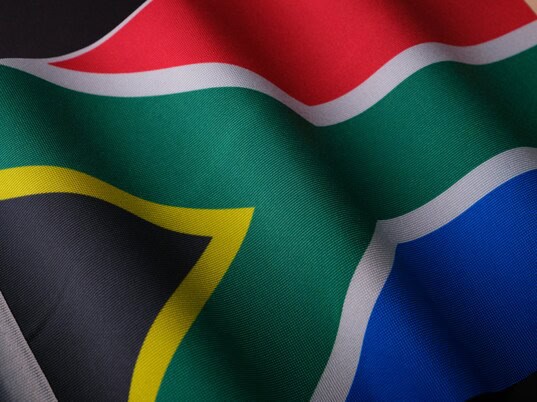
South Africa has been removed from the Financial Action Task Force (FATF) grey list following an extensive reform process aimed at strengthening the country’s financial regulatory framework.
The announcement was made on Friday, marking the end of an 18-month remediation programme to address deficiencies in combatting money laundering, corruption and terrorist financing.
What is greylisting?
Greylisting occurs when the FATF places a country under increased monitoring due to weaknesses in its financial systems that could enable money laundering or terrorism financing.
While it is not as severe as blacklisting – a status currently held by countries such as the Democratic People’s Republic of Korea, Iran and Myanmar – greylisting carries serious consequences.
These include damage to a country’s international financial reputation, increased scrutiny from global financial institutions, and reduced foreign investment.
South Africa’s greylisting in 2023 stemmed from systemic vulnerabilities linked to state capture and institutional failure, which left the country exposed to financial crimes and illicit activity.
How did South Africa get off the grey list?
Since being greylisted in 2023, South Africa has undertaken extensive reforms to meet FATF compliance standards.
Over the past 18 months, government and regulatory authorities addressed key deficiencies through legislative and institutional reforms.
Significant progress was made in the following areas:
• Legislative reform: Parliament passed key laws, including the Anti-Money Laundering and Combatting Terrorism Financing Amendment Bill (2022), which enhances financial oversight and regulatory compliance.
• Institutional strengthening: Agencies such as Sars, the Financial Intelligence Centre (FIC) and major banks tightened financial controls and improved transparency measures.
Sars introduced systems to track beneficial ownership of companies and trusts, strengthened cooperation with law enforcement, and implemented digital traveller declarations to monitor large cross-border cash movements.
By this month, South Africa had addressed 15 of the 20 identified deficiencies, enabling removal from the grey list.
Who is still on the grey list?
The FATF grey list still includes several countries undergoing compliance monitoring. These are Angola, Bolivia, Bulgaria, Cameroon, Côte d’Ivoire, Democratic Republic of Congo, Haiti, Kenya, Lao People’s Democratic Republic, Lebanon, Monaco, Namibia, Nepal, South Sudan, Syria, Venezuela, Vietnam, Virgin Islands (UK) and Yemen.
What does this mean for South Africans?
Removal from the grey list is expected to restore investor confidence, improve international financial relations and strengthen the economy.
Benefits are likely to impact South African consumers in several ways:
1. Cost of living: Improved economic credibility may stabilise the rand and ease inflation pressures, potentially reducing household expenses through lower interest rates and improved trade flows.
2. Employment prospects: Easier access to global financial systems is expected to attract foreign investment, potentially supporting business growth and job creation in a country facing an unemployment rate of approximately 33%.
3. Trade efficiency: With fewer regulatory barriers, South African importers and exporters are expected to experience fewer delays in international transactions, improving trade efficiency.
4. Anti-corruption progress: While corruption remains a challenge, strengthened financial systems and new compliance laws are expected to deter financial misconduct and enhance accountability in both public and private sectors.
Sars commissioner Edward Kieswetter welcomed the development, cautioning that continued vigilance would be required.
He described the removal from the grey list as ‘a milestone, not a finish line’.
South Africa will be reassessed by the FATF in 2026 to ensure ongoing compliance.
SOURCES: www.investec.com | www.sars.co.za | www.dailymaverick.co.za | awww.fatf-gafi.org
Don’t have the ZO app? Download it to your Android or Apple device here:


HAVE YOUR SAY
Like our Facebook page and follow us on Twitter.
For news straight to your phone invite us:
WhatsApp – 060 784 2695
Instagram – zululand_observer