Summer storms: What KZN residents need to know
From quick afternoon thunder bursts to destructive supercells and coastal surges, here’s what KZN can expect this summer — and how to stay safe.
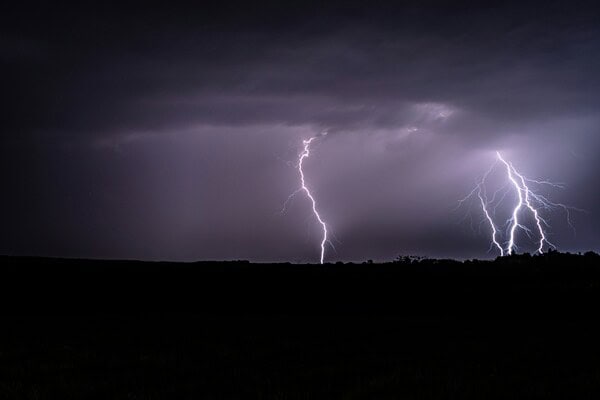
AS we head into our summer rainfall season, we can expect more than just afternoon showers as our province is no stranger to unpredictable, and sometimes destructive, storms.
With climate change intensifying weather patterns across the globe, understanding what’s brewing in our skies has never been more important.
Knowing the difference between storm types can help you prepare and stay safe when the weather turns wild.
ALSO READ: Mental health awareness for disabled highlighted at eSikhawini event
The main storm types
1. Single-cell thunderstorms
These are your quick afternoon storms, usually short-lived (under an hour) and forming on hot, humid days. Expect heavy rain, lightning and sometimes a brief downpour that vanishes as quickly as it arrived.
2. Multi-cell storms
Bigger, more complex systems made up of several storm cells. They can bring hail, strong winds and flash flooding, often lasting a few hours or longer. These are the ones most likely to cause damage to property or uproot trees.
3. Squall lines
Picture a wall of storms stretching across the horizon. Squall lines can extend hundreds of kilometres, bringing intense wind gusts, lightning and pounding rain, often moving fast and hitting hard.
4. Supercells
These are the giants of the storm world. Supercells can last for hours and are capable of producing tornadoes. While rare in South Africa, we have seen isolated tornado events in places like Tongaat and Pietermaritzburg in recent years, linked to powerful storm systems.
When the ocean turns angry
1. Storm surges
Coastal residents got a taste of this in September when parts of KZN’s coastline were battered by massive storm surges. These occur when powerful low-pressure systems out at sea push ocean water toward the coast, raising sea levels temporarily and causing flooding along beaches and roads.
2.Tidal waves and tsunamis
Although often confused with storm surges, these are caused by seismic activity under the ocean — not weather. Think of the devastating 2004 Indian Ocean tsunami, which reached over 10 metres high. Fortunately, tsunamis are extremely rare along South Africa’s coastline.
Hurricanes, cyclones and tropical storms
You may have seen recent reports of hurricanes in the Caribbean or cyclones in Madagascar, but these are essentially the same phenomena: huge rotating storm systems bringing fierce wind, rain and thunder.
The name simply depends on where they occur. While South Africa doesn’t typically experience hurricanes, but tropical cyclones can still bring heavy rainfall and rough seas to KZN, particularly when they hit the south of Mozambique.
Stay alert, stay safe
The best way to protect your family and property this summer is to stay informed. Keep an eye on the official South African Weather Service alerts at www.weathersa.co.za or the Zululand Observer social media sites.
When a storm warning is issued, move vehicles to higher ground, unplug electronics, and avoid flooded roads or rivers. Preparation can make all the difference when the weather turns dangerous.
Don’t have the ZO app? Download it to your Android or Apple device here:


HAVE YOUR SAY
Like our Facebook page and follow us on Twitter.
For news straight to your phone invite us:
WhatsApp – 060 784 2695
Instagram – zululand_observer