Tips to reduce heartburn during pregnancy
During pregnancy, the increase in the hormone progesterone causes the valve between the stomach and the oesophagus to relax.
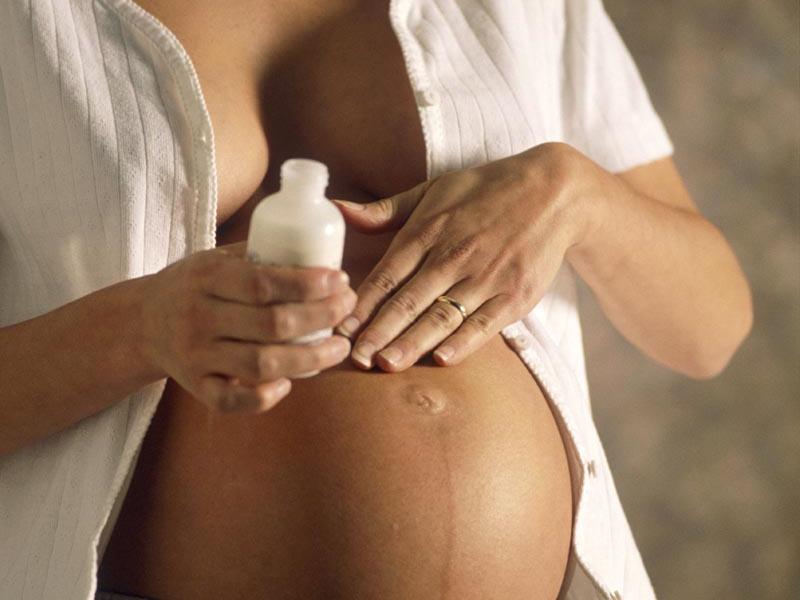
Heartburn affects up to 85 per cent of pregnant women, with many women experiencing this uncomfortable feeling throughout all three trimesters of their pregnancy.
Heartburn (also called gastroesophageal reflux and acid indigestion) can feel like a burning sensation that starts behind your breastbone and travels up your oesophagus (the tube connecting your throat to your stomach).
These acids can even make it up to your throat.
During pregnancy, the increase in the hormone progesterone causes the valve between the stomach and the oesophagus to relax, which accounts for why heartburn is more frequent during pregnancy.
Here are some diet-related tips that might help:
Registered dietitian Hannelise Rademan, currently volunteering at Worcester Provincial Hospital in the Western Cape, said that following a healthy nutritious diet, which includes adequate fibre such as whole grains, fruit and vegetables is very important.
Also read: You can put these five pregnancy fears to bed
Ideally, your diet should be low in fat.
“Limit fried foods, cream sauces, gravies, fatty meats, pastries, nuts, potato chips, butter and margarine.
“Moderate portions of protein should be included to stimulate a hormone called gastrin to aid digestion and increase valve (known as LES or lower oesophageal sphincter) pressure,” she said.
As your uterus expands with your growing baby, it places pressure on your stomach, which also increases the likelihood of acid reflux, especially if your stomach is full.
According to Rademan, drinking liquids at the same time as eating your food can create a full “sloshy” stomach environment primed for heartburn.
“Fluids may be better taken between meals to avoid distension (or swelling) of the stomach and carbonated beverages should be avoided.
“Avoid large meals that increase gastric pressure, and rather eat smaller meals throughout the day.
“This helps to avoid overwhelming the stomach and allows it to empty more quickly,” she said.
She also recommends that during acute bouts of heartburn, eat small frequent meals of soft and bland foods.
Fatty meals, coffee (both decaffeinated and regular), chocolate, peppermint and spearmint, garlic and onion are all foods that can exacerbate heartburn and should be avoided.
Also read: Common medications to avoid during pregnancy
This includes acidic and spicy foods that create more stomach acid than blander alternatives and should be avoided by those suffering from heartburn.
Although smoking and drinking alcohol should not be part of pregnancy regardless, these can also negatively affect valve pressure and increase heartburn.
Lifestyle adaptations can also be helpful to alleviate symptoms of heartburn.
These include not eating for three to four hours before going to sleep at night, staying upright and avoiding vigorous activity after eating and not wearing tight-fitting clothing.
Some natural and alternative remedies that may help relieve symptoms include ginger and lemon water or chewing gum.
Eating yoghurt or drinking a glass of milk or even adding a tablespoon of honey to a glass of warm milk might also help ease symptoms or heartburn.
Gelusil Plus is an antacid suspension that can be taken to relieve heartburn in pregnancy.
This treatment has a dual mode of action that neutralises stomach acid while creating a barrier to reduce acid reflux into the oesophagus.
Heartburn is common and uncomfortable during pregnancy, but it should subside once you give birth and your hormone levels return to normal.
While you may not be able to prevent heartburn altogether, simple lifestyle changes such as eating small meals, avoiding spicy or fatty foods and sleeping with your head and shoulders elevated might help ease the symptoms.
Follow us on our social media platforms: