Measles outbreak in Gauteng: 181 cases confirmed, public urged to vaccinate
Health authorities ramped up efforts to curb Gauteng’s measles outbreak through vaccination drives and public awareness.
The Gauteng Department of Health has intensified its public health response following further measles cases across the province.
Between January 1 and June 13, 181 laboratory-confirmed measles cases were reported, primarily in Johannesburg, Tshwane, and Ekurhuleni. In the latest reporting period, Gauteng recorded 15 new measles cases.
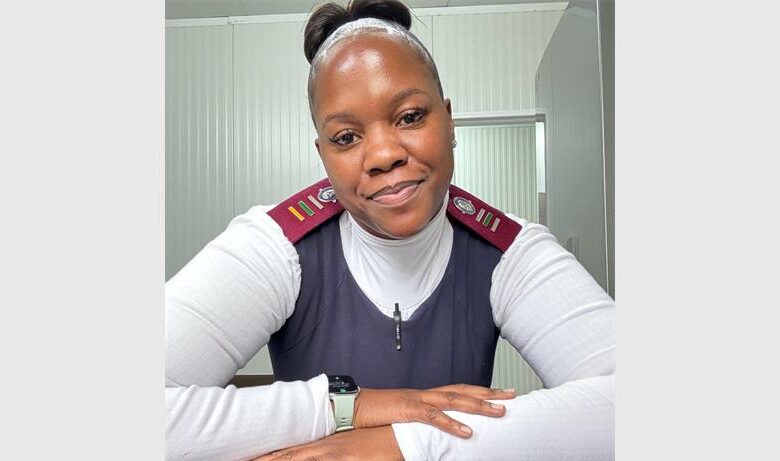
Local nurse Nhlanhla Mofokeng explained what measles is and how to curb its spread. She defined measles as a highly contagious viral infection that mainly affects children but can infect anyone who is unvaccinated.
“It spreads through droplets in the air when an infected person coughs, sneezes, or talks. Measles symptoms appear about seven to 14 days after exposure,” she said.
Signs and symptoms:
• High fever;
• Dry cough;
• Runny nose;
• Red, watery eyes;
• Tiny white spots inside the mouth (Koplik spots);
• A blotchy red rash that usually starts on the face and spreads downward.
“A person is contagious four days before and four days after the rash appears. Many people assume measles is just a rash and fever, but it can lead to severe complications,” she added.
She mentioned these complications:
• Pneumonia;
• Diarrhoea and dehydration;
• Ear infections (which might lead to hearing loss);
• Brain swelling (encephalitis);
• Death, especially in malnourished children or those with weakened immune systems.
“Children under five years, unvaccinated people of any age, people with weakened immune systems (HIV+ individuals) and pregnant women are at risk of contracting measles.
“Prevention is always better than cure. The measles vaccine is safe and free at public clinics across SA. It is given as part of the Measles, Mumps, and Rubella vaccine (MMR) at six months (extra dose during outbreaks), 12 months and 18 months,” she mentioned.
Mofokeng said vaccination is the best protection because if enough people are vaccinated, the virus cannot spread; this is called herd immunity.
She added that during the outbreak, people must ensure children are vaccinated by checking their Road-to-Health card.
The nurse advised adults unsure of their vaccination status to visit a clinic for advice.
“If your child shows symptoms, keep them at home and visit a health facility immediately. Inform your school or crèche if a child was diagnosed. They may need to take steps to prevent further spread,” said Mofokeng.
What to do if you suspect measles?
• Step one: Seek medical care immediately; early detection can prevent serious illness.
• Step two: Isolate the patient to avoid spreading the virus to others.
• Step three: Follow the instructions from your clinic or doctor.
ALSO READ: SASSA announces August payment dates for all social grants
ALSO READ: Two arrested in Kwa-Thema for house robbery and possession of unlicensed firearms