African Luminary calls on the youth to come together for their communities
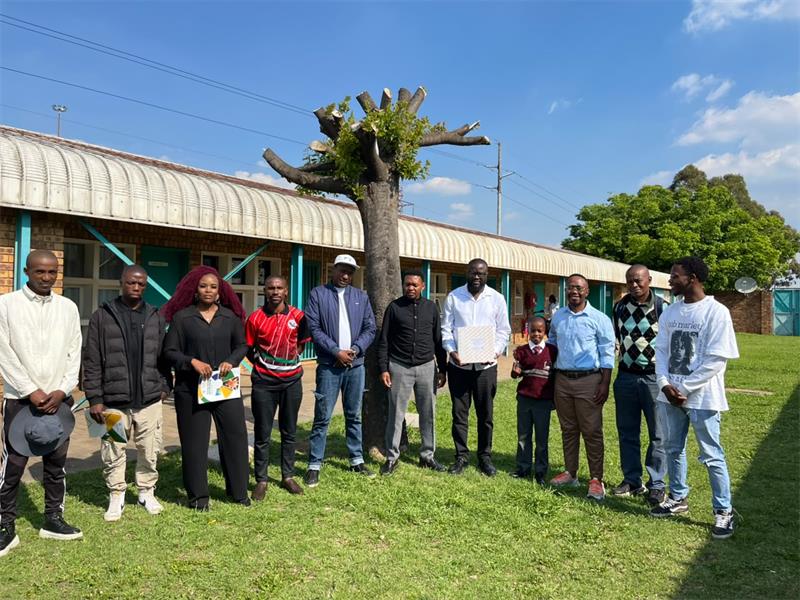
The African Luminary held a meeting with youth of various political parties to call the young people to come together to bring changes in the communities.
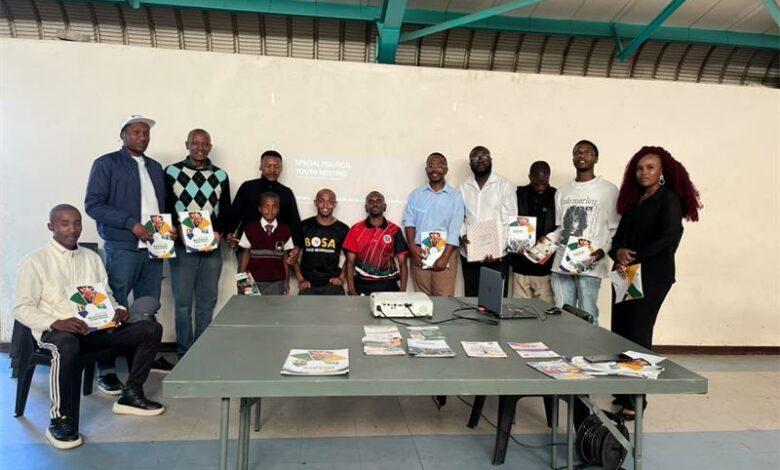
Tsakani – African Luminary convened its special youth meeting on October 2 at the Faranani Multipurpose Centre in Tsakani, bringing together young people from different political parties and political youth formations to consider how young people can help address South Africa’s national challenges.
The organisation’s chairperson, Sthembiso Sibiya, said the meeting formed part of its pilot work on its social curriculum and marked the start of an effort to develop a programme of action for young people.
He also said that the pilot created an independent space for young people from different political backgrounds to consider issues affecting their generation beyond party competition.
“Participants considered whether inequality and social class continue to represent central elements of the generational struggle facing young South Africans.
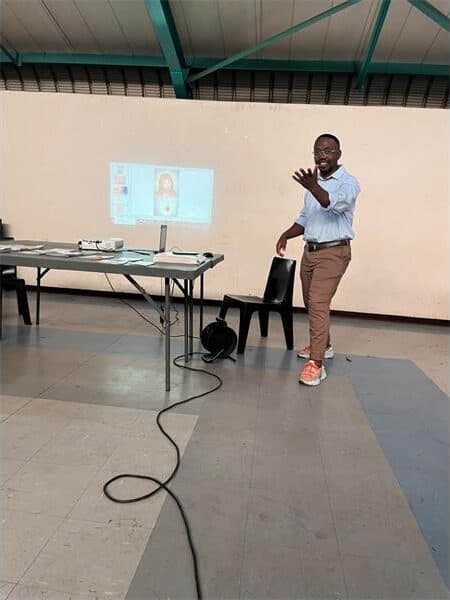
“While this perspective was raised during the meeting, it was not adopted as a final position by the majority of participants,” added Sibiya.
Sibiya explained that the meeting identified the need for young people themselves to continue examining their circumstances and to define their generation’s mission, challenges and programme of action.
He noted that a central principle of the social curriculum introduced during the meeting is that solutions should emerge from an understanding of problems.
“The approach seeks to move young people beyond identifying national challenges towards asking what practical interventions they can develop and implement.
ALSO CHECK: iTonka Square boosts local development
“The meeting identified quality education and social awareness as important foundations for enabling young people to become informed and active participants in society,” he said.
Sibiya is calling on young people from different political parties, youth-led organisations and unemployed graduates to become more active in helping young people understand the policies and development plans that affect their lives.
Young people are encouraged to work towards making these documents more accessible within communities, including through public spaces such as libraries, clinics and other community-access points, while engaging the relevant government departments and institutions responsible for these documents.
Sibiya said the initiative’s success will depend not only on the meeting itself but also on whether the ideas generated can develop into sustained youth participation and practical action.