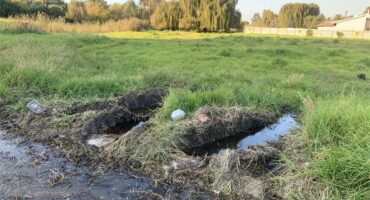
Alberton warned: Stormwater abuse could flood your street this summer
It's not just rain that causes flooding in Alberton, it's what residents are throwing into the drains.
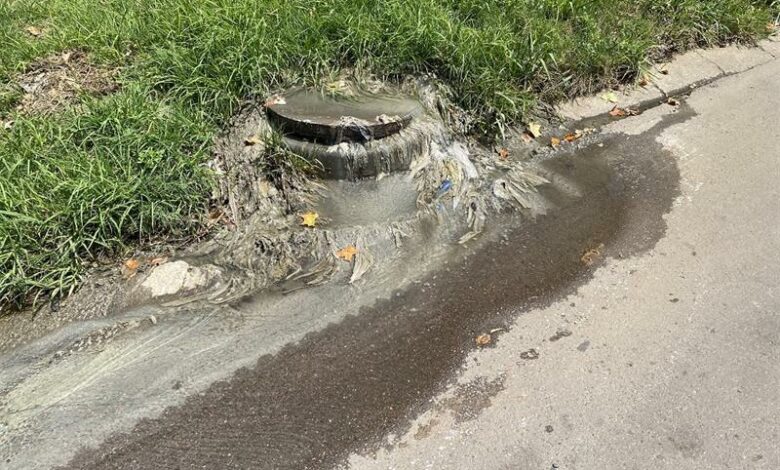
As South Africa braces for another rainy season, the Institute of Municipal Engineering of Southern Africa (IMESA) has warned that flooding risks are mounting, not only because of climate change and ageing infrastructure, but also due to the widespread abuse of stormwater systems.
The recent floods in the Western Cape, which left roads damaged and services disrupted, served as a stark reminder that towns and cities across the country, including Alberton, must prepare for heavy rainfall.
IMESA: Abuse of stormwater systems worsening flood risks
Stormwater systems are designed to carry rainwater safely away from streets, homes, and businesses.
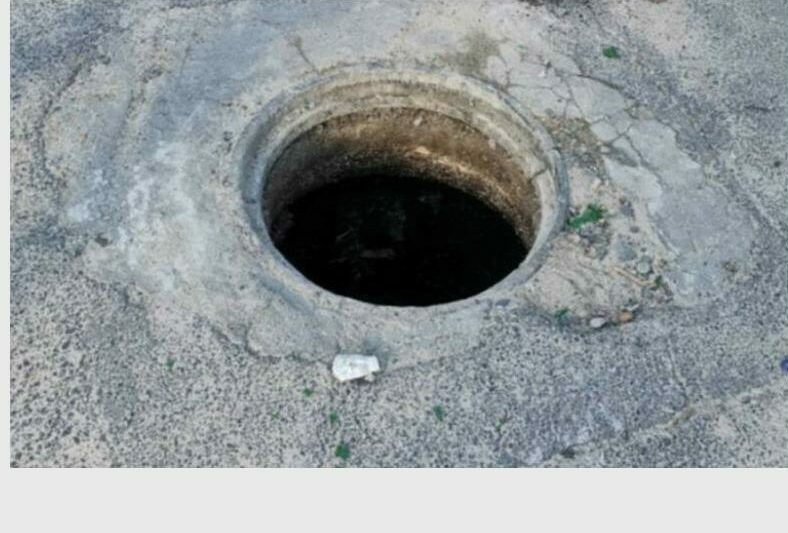
However, IMESA reports that instead of flowing freely, many systems are blocked by human activity. Builders’ rubble, tyres, toys, clothing, and even large rocks have been found inside drains. In some cases, people remove manhole covers altogether and dump waste inside.
“When these foreign objects block the pipes, rainwater has nowhere to go. Streets turn into rivers, homes flood, infrastructure collapses, and the damage costs billions to repair,” IMESA cautioned in its release.
The institute further noted that blocked drains often go unnoticed until storms strike, because most municipalities lack the budget or manpower for proactive maintenance. Cleanup only happens after the damage has been done.
City of Ekurhuleni: Alberton systems under inspection
Responding to IMESA’s concerns, CoE spokesperson Zweli Dlamini confirmed that the municipality is aware of the challenges.
“The City conducts regular inspections and cleaning of stormwater drains in Alberton and surrounding areas, with a focus on high-risk areas and before the rainy season. Our teams work to ensure that stormwater systems are functioning properly to prevent flooding,” Dlamini said.
The city has allocated R1.57 million for stormwater maintenance and upgrades in the 2025/26 financial year, with projects planned specifically for Alberton to improve the resilience of local systems.
What’s blocking Alberton’s drains
According to Dlamini, city teams often find plastic bags, bottles, silt, and other non-biodegradable waste clogging the systems. He added that deliberate abuse has been recorded.
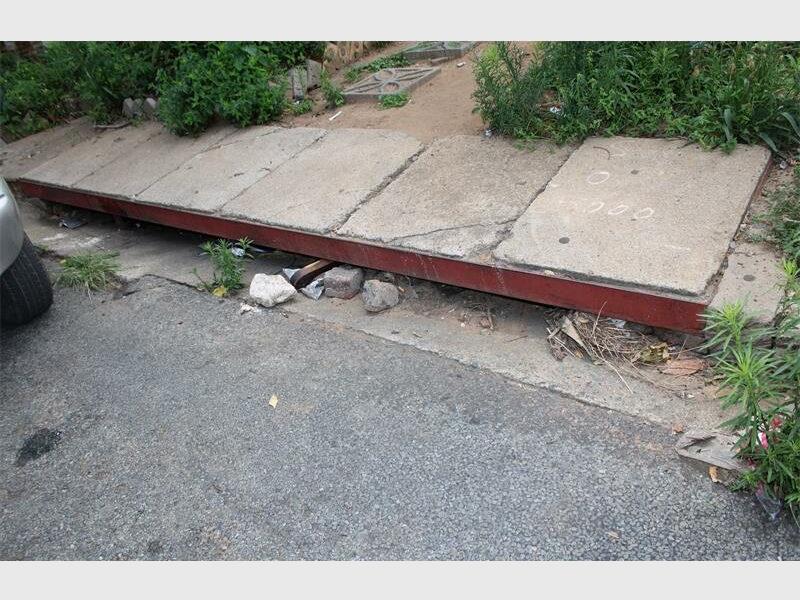
“Unfortunately, yes, the city has recorded incidents of residents deliberately dumping waste or removing manhole covers, which can lead to serious flooding risks. We urge residents to report such incidents and work with us to prevent them,” he said.
Fines and penalties exist for those caught dumping into drains, and the municipality works with the EMPD to enforce them.
Balancing development and infrastructure
Rapid development is also adding pressure on drainage networks.
IMESA warned that paved surfaces, like roads and rooftops, increase stormwater runoff, while climate change brings heavier, more unpredictable rains.
Dlamini said the city is addressing this by working closely with developers.
“We are committed to balancing development with infrastructure needs. New projects must include adequate stormwater management systems to avoid compromising existing infrastructure.”
Planning for floods
Both IMESA and the city pointed to the Best Practice Guideline for Design Flood Estimation in Municipal Areas, developed by IMESA and the Water Research Commission, as a vital tool for municipalities.
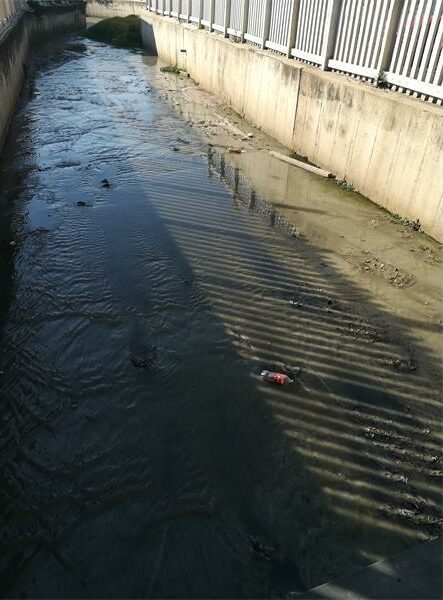
This document, published in 2023, helps cities estimate rainfall impacts, design stronger stormwater systems, and plan more effectively for flood-prone areas.
Dlamini confirmed that Ekurhuleni follows these guidelines.
“We are committed to ensuring that our stormwater systems are designed and managed effectively, in line with best practice,” he said.
A shared responsibility
While municipalities are responsible for maintenance and planning, IMESA stresses that residents have a role to play too.
Preventing flooding means not dumping waste into drains, reporting vandalism, and keeping street drains clear of leaves and debris.
“As we face more extreme weather and increased pressure on our infrastructure, we must all do our part. Municipalities need to plan smarter and maintain systems better. Residents need to respect the infrastructure that protects them,” IMESA stated.
Dlamini emphasised this call for cooperation
.“Simple actions by individuals can prevent blocked stormwater systems and protect homes and lives during heavy rain.”