The hidden danger of brake fade
As the holiday season approaches and long drives beckon, motorists are urged to take brake safety seriously.
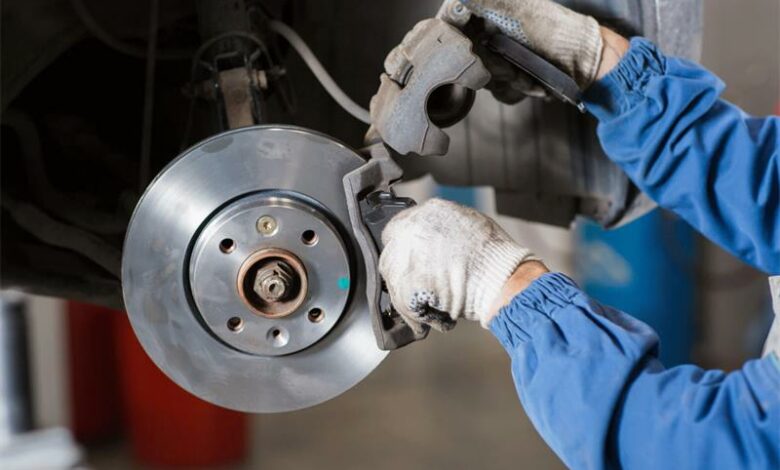
Few things are more frightening than pressing your car’s brakes in an emergency only to discover they barely respond.
While most drivers assume their brakes are fine, the reality is that brake failure often develops gradually, with subtle warning signs that are too often ignored.
One of the most common and least understood causes of brake failure is brake fade.
This occurs when brake components, particularly the pads and fluid, overheat and lose their ability to generate the friction needed to slow the vehicle.
Brake fade is especially dangerous during long-distance journeys, mountain driving or when towing heavy loads.
Brakes operate on a simple principle: converting kinetic energy (motion) into thermal energy (heat) through friction. Each time a driver applies the brakes, the pads squeeze against the rotors, generating intense heat.
If this heat builds faster than it can dissipate, brake fade sets in, resulting in either a spongy pedal that sinks to the floor or a hard pedal that fails to slow the car effectively.
A common oversight is neglecting brake fluid maintenance. Unlike pads and discs, brake fluid is invisible and deteriorates over time as it absorbs moisture.
This lowers its boiling point and increases the risk of failure under high temperatures. Experts recommend flushing and replacing brake fluid every two years, regardless of mileage.
Driving style also matters. Urban driving allows brakes to cool between stops, but continuous braking on steep descents leaves little opportunity for cooling. Drivers should use engine braking by shifting to a lower gear and letting the engine absorb some of the vehicle’s momentum instead of riding the brakes.
Warning signs that brakes need attention include:
Burning smell: A sharp, acrid odor indicates overheated brakes. Stop immediately and allow them to cool.
Squealing or grinding sounds: Worn pads or damaged rotors require immediate replacement.
Vibration while braking: Often caused by warped rotors from previous overheating.
With the festive season approaching and many families preparing for long road trips in hot weather, now is the time to ensure vehicles are in peak condition.
A full brake inspection, including fluid checks, can mean the difference between a safe journey and a devastating accident. Ignoring the early warning signs of brake fade is not just a mechanical oversight but a matter of safety.
Responsible maintenance and proper driving habits ensure your braking system performs when it matters most.
• Information from TEPA