Proper care for your pet
The Animal Anti-Cruelty League (AACL) has been protecting and caring for animals since 1956.
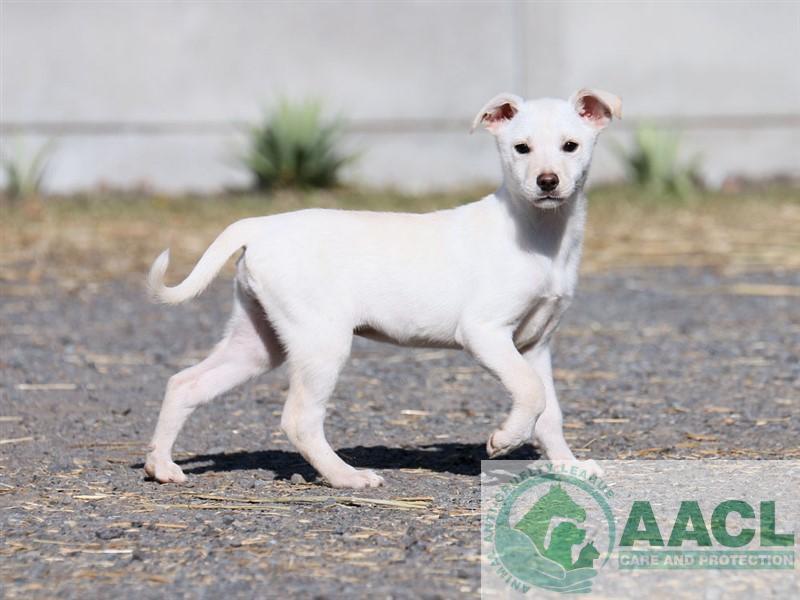
Caring for pets is not only about feeding them and providing shelter. It is about holistically addressing all aspects of pet care.
The Animal Anti-Cruelty League (AACL) has been protecting and caring for animals since 1956.
It is South Africa’s second largest independent animal welfare organisation, relying entirely on the public for financial support.
The organisation is involved with all aspects of animal welfare, including visits to underprivileged areas with fully equipped mobile clinics.
In today’s tough economic times, even the most basic essentials cost more as you try to stretch your pay cheque from month to month. It is becoming a constant battle for survival.
Your pet may not be costing you a great deal on its own, but if left unsterilised, a female dog could produce puppies every six months or so.
This will increase the pet food cost factor as well as your veterinary bills.
Too many animals, unwanted and unchecked, end up as abandoned strays and, more often than not, in the care of welfare shelters.
Sterilisation, therefore, is essential to the well-being of your family pet and community at large.
Pets need shelter from the elements if left outside. A kennel or similar structure will protect them and provide warmth from the cold and rain and shade from the sun.
Your pet should have food and fresh water that can be easily accessed.
If you tie your pet up so that he cannot escape the property, make sure there is always enough room under the collar. You should be able to get two fingers under it.
Also remember that, depending on the space available, the chain between the dog and the running wire should be at least three metres and have swivels.
Dogs particularly love walking and exercise, but when it is extremely hot outside, they too can quickly dehydrate and even burn their paws on hot road surfaces.
It is better to exercise your pet before 10am in summer.
In case of flooding in the rainy season, always ensure that your pet can access higher ground.
Dogs and cats love stimulation and attention.
Spending time socialising and playing with your pet will not only stimulate it, but guarantee its lifelong loyalty and devotion.
Showing your pet kindness and gentleness will teach it to respond in a similar manner
Primary health care is important for all pets and can be received from your veterinarian or from staff at mobile clinics. Primary pet healthcare consists are the following:
Vaccinations
Vaccinations against disease are important and must be timeously administered at six weeks.
Puppies need to have their 5-in-1 shot followed by their next vaccination every three to four weeks, until four months of age.
This will protect them against diseases such as parvo, distemper, adenovirus (respiratory virus) and parainfluenza (respiratory virus) and infectious canine hepatitis.
At three months, by law, all dogs and cats must be vaccinated against rabies.
This must be followed up between one and nine months later, with another rabies vaccination. Rabies is a fatal disease affecting all mammals, including humans.
Rabies affects the brain and is spread through the saliva of a rabid animal via a bite, scratch or from being licked.
Anyone bitten, scratched or licked by an animal displaying abnormal behaviour such as excessive salivation, uncharacteristic aggression, biting any object, or later, being depressed and paralysed, should wash the wound thoroughly with soap and water, then immediately contact a doctor.
Where rabies is suspected, it is imperative to begin treatment as soon as possible.
Teach your child not to approach or handle any animal without the owner’s permission, especially in the case of stray and wild animals.
Sterilisation
Puppies can be sterilised from six months of age and kittens can be sterilised from five months.
Deworming
Regular deworming of your pets is important, because once again, your family could be at risk of contagion.
Tick and flea control
Regular dipping and use of tick and flea products is recommended.
Residents who have access to the services of a mobile clinic, such as ones offered by the AACL, will have noticed that these treatments and procedures are provided as part of the primary healthcare programme.
Veterinary assistance:
For those who cannot afford a private veterinarian and need assistance, AACL Johannesburg runs a mobile clinic/outreach programme in Zonkeziswe, Bez Valley, Bellavista, Westbury, Sophiatown, Thokoza/Kathlehong and Jackson’s Drift every second week.
If these areas are out of your reach, contact your local animal welfare organisation or the South African Veterinary Association (SAVA) on 012 346 1150 for details on a close-by Community Veterinary Clinic.
Remember, when visiting a mobile clinic, you will encounter all types of pets. Some will be socialised and others not.
It is always preferable to have your pet on a lead to control its movements in any type of situation.
For further information on the AACL’s programmes, contact 011 435 0672 or email jhb@aacl-jhbnb.co.za
For more news and interesting articles, like Bedfordview and Edenvale NEWS on Facebook or follow us on Twitter