Probus Bedfordview hears warning on AI misinformation at first meeting of 2026
Guest speaker Christopher Walker cautioned that artificial intelligence-driven misinformation is already shaping elections, markets and reputations, urging greater awareness and responsible use of the technology.
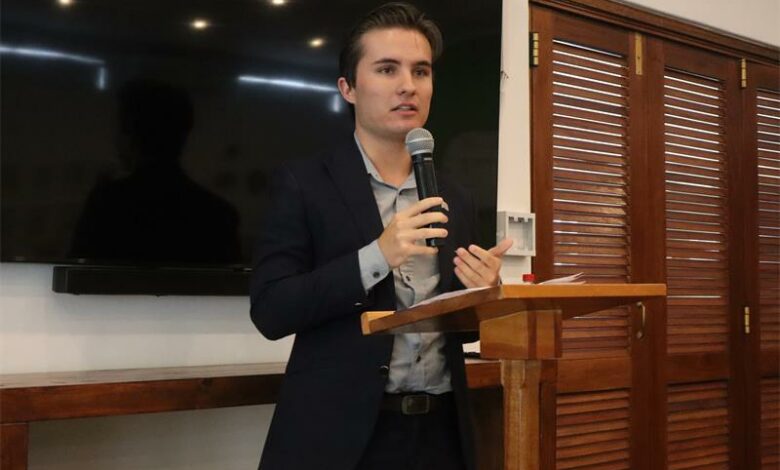
The first Probus Club Bedfordview meeting of this year took place on January 13 at St George’s Village.
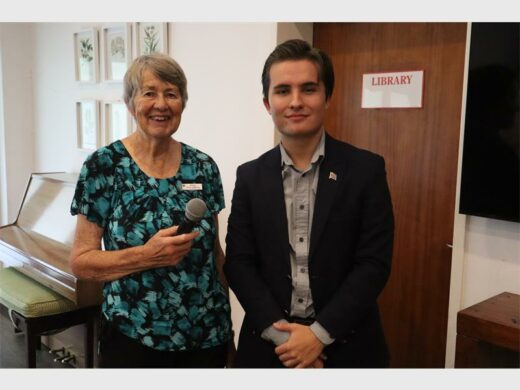
President Ineke O’Dougherty welcomed all present and congratulated Doug and Lynne Boake, who celebrated their Diamond wedding anniversary on January 8.
O’Dougherty then welcomed the guest speaker, Christopher Walker. He is a Jeppe Old Boy, currently studying public administration at the University of Pretoria.

ALSO READ: Probus Club guests enjoy talk on Namaqualand’s flowers
Walker spoke about artificial intelligence (AI) misinformation.
He defined AI as an enhancer of human intelligence, which can either be good or bad.
He said AI misinformation is content that is synthetic, false, and manipulated, and is generated and enhanced using AI engines that both have scale and speed that outpace human capability to understand.
“In 2026, artificial intelligence misinformation is not a problem of the future. It already shapes markets, influences our reputations, and most concerningly, has an overwhelming impact on elections not only in South Africa but across the world.
“AI hopes to scale human error, manipulation, and bias,” Walker noted.
He added that AI, while having immense potential, has unfortunate challenges and dangers that, if not checked, may cause unintentional harm.
Walker shared that through fabricated content, one’s picture, words, or videos can be generated into something that wasn’t there before. It can even go as far as AI-generated news articles, financial reports, and policy statements.
ALSO READ: Probus Bedfordview discusses role of local government
Fake documents such as identity documents, birth certificates, and visas are not immune to AI manipulation. He noted that it presents a legal challenge to those trying to regulate it.
Walker also mentioned synthetic media, which takes place when celebrities or politicians who don’t want to be seen in a certain light get their images or voices manipulated. Many, unfortunately, believe this to be true. This could be shared on social media platforms.
“The problem is, once something is online, it is difficult to take down because people will see it, take screenshots, and share on WhatsApp groups. It is difficult to regulate your own intellectual property, which is your identity. This poses a significant danger.”
Context manipulation is another format in which AI misinformation happens, according to Walker. He said this is when real information is placed into a false context, with negative framing and selected data presentation.
“The most dangerous misinformation is not what is obviously fake to all of us; it is what can be plausibly real,” warned Walker.
He further said misinformation has existed since the dawn of social media, with some of it being blatantly false. What makes AI misinformation different is scale, speed, and believability.
ALSO READ: Water safety in focus at Probus Bedfordview meeting
Walker said if you come across a video or picture and notice the lighting does not look proper, shadows are incorrect, or speech is slurred, it is most likely AI-manipulated.
He advised, as a rule of thumb, that one must check with real people to confirm if it’s them in the pictures or videos.
Other tips to check for AI misinformation are to:
• Check for source transparency: Misinformation often lacks clear, verifiable sources. If an AI-generated claim doesn’t point to reputable evidence, treat it with caution.
• Look for overconfidence: AI systems sometimes present uncertain or false information with absolute certainty. If something sounds definitive but surprising, double-check it.
• Verify with multiple trusted outlets: Cross-check with established news organisations, academic sources, or official institutions.
• Watch for inconsistencies: AI misinformation may contain subtle contradictions, outdated facts, or mismatched details that don’t align logically.
• Be wary of emotional manipulation: Pause if a message feels designed to provoke outrage, fear, or urgency.
• Test the claim: Ask yourself: Is this plausible? Does it align with known facts? Could it be satire or speculation?
However, if AI outputs are identified as correct or if used ethically and responsibly, Walker said it can positively contribute to our understanding, research, and development, as indicated by studies.
He suggested clear and reasonable AI policies that empower ethical use and AI training for businesses and people.
Walker acknowledged, “AI cannot do anything without human input telling it what to do, and that creates an important element of control. The organisations and governments that survive this next decade are not those that reject AI outright, but those that master trust, which is one thing that people fear with AI.”
The next Probus meeting will be on February 3 with guest speaker Anne-Marie Pooley.