Ekurhuleni council approves R70bn budget after weeks of political deadlock
A total of 14 political parties supported the final budget
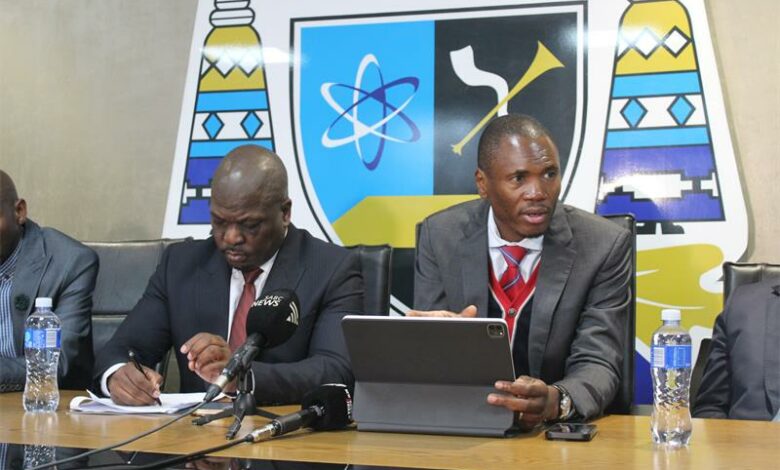
After weeks of uncertainty, political deadlock, and mounting pressure, the City of Ekurhuleni has finally approved its 2026/27 budget following four council sittings and extensive negotiations among political parties.
The budget, valued at over R70b, was passed during an extraordinary council meeting held last Tuesday.
The prolonged process underscored deep political divisions within council, with parties holding firm on key issues ranging from tariff increases to service delivery priorities. However, through continued engagement and concessions, a majority of parties ultimately rallied behind the revised budget.
ALSO READ: Opinions: Mrs Vee’s cup of words: Ekurhuleni budget stalemate threatens service delivery
A total of 14 political parties supported the final budget, including the Democratic Alliance (DA), ActionSA, Inkatha Freedom Party (IFP), Freedom Front Plus (FF+), and others, signalling a rare moment of multi-party cooperation in the municipality.
Their collective backing ensured the city avoided governance paralysis and could proceed with its financial planning for the year ahead.
Despite broad support, the EFF remained opposed, arguing that the budget does not adequately address the needs of residents, particularly the poor and marginalised communities.
ALSO READ: Ekurhuleni Speaker John Senona vows to restore stability and discipline in council
The approved budget places strong emphasis on infrastructure development, service delivery, and internal capacity building.
Key allocations include increased spending on water and sanitation infrastructure, electricity network stability, waste management, and road maintenance.
Notably, repairs and maintenance funding has been increased from R3.8b to R4.6b, surpassing the recommended benchmark for infrastructure upkeep.
In a move aimed at easing the financial burden on residents, several proposed tariff increases were revised downward following negotiations.
Property rates were reduced from a proposed 2% to 1.5%, while increases in water, sanitation, and refuse removal were also scaled back. The city also maintained a 0% increase in burial and cemetery tariffs for residents.
The budget introduces a debt relief intervention that allows a 100% write-off of qualifying municipal debt that is older than 12 months. This is expected to provide relief to struggling households amid ongoing economic pressures.
ALSO READ: Ekurhuleni budget fails to pass as councillors reject proposed tariffs
Political leaders have described the adoption of the budget as a victory for residents, highlighting that the consultative process ensured a more balanced and responsive financial plan. However, the real test will lie in implementation, particularly in addressing longstanding service delivery challenges across the metro.
The delayed approval, while ultimately resolved, exposed the fragility of coalition-style governance in Ekurhuleni.
It also highlighted the importance of compromise in ensuring municipalities meet critical legislative deadlines.
With the budget now in place, attention shifts to execution, as residents look to the city to translate commitments into tangible improvements in their daily lives.